
With an eye on Ozempic users, Nestlé creates a line of nutritional products


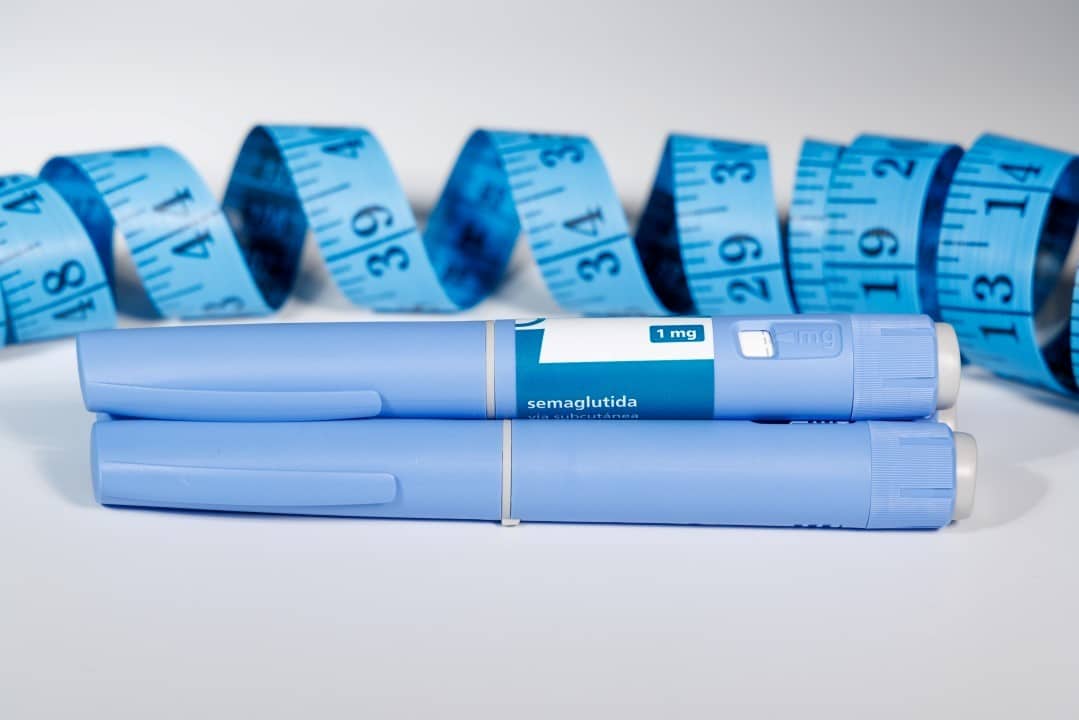
Nestlé is positioning itself to convert the expanding demand for weight loss drugs, such as Ozempic and Mounjaro, from a challenge into a new market perspective. The food giant, which operates on several fronts, responds to the GLP-1 phenomenon.
To achieve this goal, the company employs artificial intelligence and nutritional science knowledge. The focus is to create specific products for the millions of users of drugs such as Ozempic and Wegovy.
The rapid acceptance of medicines developed by Novo Nordisk and Eli Lilly, which work to reduce appetite, has generated concern in the market. Investors fear a lasting drop in demand for processed foods, snacks and drinks.
However, Nestlé sees that these pharmacological treatments open the way for an unprecedented sector. This new niche focuses on products that help mitigate the impacts of accelerated weight loss.
Stefan Palzer, the company’s technology director, announced that Nestlé uses artificial intelligence and other technological tools. The objective is to analyze clinical studies, identify ideal nutritional combinations and develop items dedicated to consumers of GLP-1 drugs.
“We are well positioned with the portfolio. It is a great opportunity for our company,” said Palzer.
Nestlé’s internal documents describe effects related to rapid weight loss, such as a decrease in muscle mass and facial fat, popularly known as “Ozempic face”.
These materials also highlight areas where the company believes its products can provide support.
The GLP-1 drug segment is currently led by Eli Lilly’s Mounjaro and Zepbound and Novo Nordisk’s Wegovy and Ozempic.
According to data from the Boston Consulting Group, approximately 16 million Americans use drugs in this category. The estimate is that this number will grow significantly by the end of the decade.
Nestlé’s strategy consists of creating personalized products for individuals who use these medicines. To achieve this, artificial intelligence is used to speed up research, formulate new foods and drinks and understand consumer behavior.
Stefan Palzer indicated that Nestlé researchers are investigating the ramifications of accelerated weight loss. They work on developing items to help consumers mitigate these impacts.
The company uses artificial intelligence tools to process vast volumes of clinical studies. The objective is to identify nutritional combinations that support the maintenance of muscle mass, hydration and a balanced diet.
In addition, Nestlé began including collagen protein in items from the Vital Proteins line. The measure aims to address concerns about the health of skin, hair and nails during the rapid weight loss process.
“A large part of weight loss is due to the loss of lean muscle mass,” explained Palzer.
He added: “We identified a combination of two micronutrients that we industrialized and that stimulate the growth of muscle tissue. On the one hand, we provide protein; on the other, we stimulate muscle tissue to regenerate more quickly.”
Palzer also revealed that Nestlé has patented ingredient blends created to decrease the appetite of individuals who experience increased hunger after discontinuing the use of GLP-1 medications.
The company has already made available products formulated especially for this consumer segment.
Nestlé in the United States has developed the Boost Advanced Nutrition Shake, which contains 35 grams of protein and aims to support the conservation of muscle mass during weight loss. In regions such as Asia and Australia, the company introduced a version of its Milo malt drink, called Milo PRO High Protein, with a high protein content.
Ice cream producers face similar challenges. They have invested in options with greater amounts of protein, reduced portions and more simplified ingredient compositions.
Artificial intelligence plays an increasingly vital role in this development.
Nestlé created its own systems to examine scientific research, simulate consumer behavior, identify new trends and assist in the creation of products, using a database with around 120 thousand recipes.
Among these tools, an internal platform called Food Genie stands out. According to Palzer, she assists scientists and developers in predicting recipe performance and identifying opportunities to reformulate items.
“Imagine a small company with just a thousand revenues. It’s very difficult to model and predict revenues using AI,” he noted, adding: “AI needs data.”
The company also experiments with artificial intelligence-driven simulations to anticipate consumer response to new products and their health claims before they go to market.
The technology is also used by the company to monitor social networks and identify emerging consumer trends.
“You notice the repercussions around certain topics and then you can conclude whether this is a lasting trend or not”, pondered Palzer.
“Artificial intelligence will be increasingly present in this field,” he concluded.
Not all nutrition experts are convinced that products created specifically for users of weight loss medications have significant advantages over traditional foods.
“It’s really sad that we are always turning to new products that are more expensive than fresh, whole foods that also contain the same proteins and nutrients,” lamented Amanda Avery, associate professor of nutrition and dietetics at the University of Nottingham, located in central England.
She pointed out that meat, fish, eggs, dairy products, beans, nuts and other legumes remain accessible sources of proteins and nutrients.
Despite this, Avery said products specifically targeted at GLP-1 drug users will likely appeal to consumers.
“Unfortunately, we are very influenced by marketing,” she commented. “Nestlé has certainly done its research.”





