
Huawei plans to launch a widescreen cell phone, focusing on fixed and innovative design

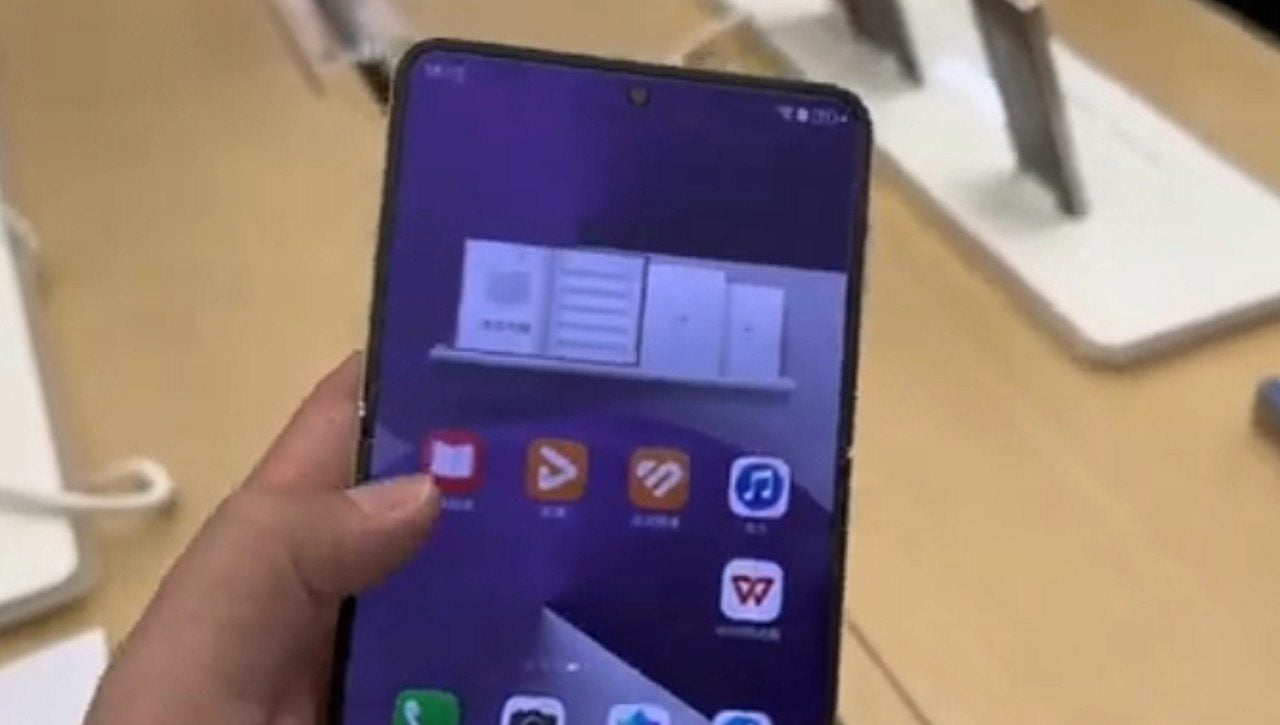
Huawei is preparing the introduction of a new smartphone with a widescreen display that, surprisingly, does not feature a hinge feature, differentiating itself from the foldable models currently on the market. The Chinese company seeks to consolidate its position with an alternative design proposal, focused on an expanded visual experience without the mechanical complexity of flexible devices, with a launch scheduled for the coming months.
What defines a widescreen cell phone and its main purpose
A widescreen cell phone, in the context of smartphones, refers to a device with a screen with a more elongated or horizontal proportion than traditional formats, optimized for the consumption of multimedia content and multitasking. Unlike televisions, where the term widescreen became popular to display films, on phones, it implies an enlarged viewing area that can be ideal for browsing the internet, watching videos with fewer black bars or operating two applications side by side more comfortably. Huawei’s bet is to offer this experience without the need for a screen that folds.
The main distinction of this concept from foldable smartphones lies in the absence of flexible mechanisms. While foldables aim to offer a compact display that expands, Huawei’s widescreen device promises a fixed and robust format. This approach seeks to combine the immersion of a large screen with the durability and simplicity of a unified design, avoiding the engineering challenges and costs associated with flexible displays.
Target audience and the advantages of the foldless format
The target audience for a foldless widescreen phone includes users who value an immersive viewing experience for media consumption, such as movies and series, and for games that benefit from a wider field of view. Professionals who need more screen space for multitasking, such as editing documents or tracking graphics, may also find use in this format. It is a device designed for those looking for a “big screen always”, without compromising structural integrity.

Among the most obvious advantages of the crease-free design is greater durability. The absence of moving parts and a potentially fragile flexible screen means fewer points of failure and greater resistance to everyday use. Furthermore, engineering simplification can result in a more affordable production cost, reflected in a more competitive final price for the consumer, an important factor in a saturated market.
This format can also allow the use of higher capacity batteries, as the internal space does not need to be divided or compromised by complex hinges and mechanisms. This extended autonomy translates into more hours of use for the consumer, a considerable benefit for those who spend a lot of time away from sockets, consolidating the device’s value proposition in the premium segment.
Huawei’s strategy when investing in this new model
Huawei’s bet on a widescreen cell phone that doesn’t fold can be seen as part of the company’s broader strategy to innovate and differentiate itself in the global smartphone market. In a scenario marked by trade sanctions and intense competition, the Chinese giant is looking for alternatives to attract consumers, offering products with unique characteristics that stand out from the dominant offers of its competitors.
By focusing on a fold-free design, Huawei may be targeting a niche market that is not yet fully satisfied with existing options. Although foldables have gained popularity, they still represent a small share of the market due to their high cost and concerns about durability. A fixed widescreen offers a solution for those who want a large, immersive screen without the compromises of foldables.
This decision may also reflect an attempt to optimize the company’s manufacturing and supply chain, given restricted access to certain technologies and components. Developing a device with a fixed widescreen format could be less complex than perfecting foldable screen technology, allowing Huawei to launch an innovative and competitive product in specific markets. The company continues to look for ways to re-establish itself globally.
Evolution of smartphone design and the future of screens
Smartphone design has undergone a remarkable evolution since the emergence of the first mobile devices, with screens playing a central role in this transformation. From small bar-shaped displays, we have witnessed the transition to larger screens, with aspect ratios that have evolved from 4:3 to 16:9, then 18:9 and, more recently, to 21:9 in some models, seeking to offer a more cinematic experience.
Huawei’s initiative with a fixed widescreen phone could indicate a new direction in design, proposing that innovation is not just in the ability to fold, but also in how the screen format maximizes interaction and content consumption. This step could influence other manufacturers to explore alternative formats, seeking a balance between portability, durability and visual immersion without the complexity of flexible screens.
Although promising, the fixed widescreen format faces challenges, such as optimizing applications and the operating system to make the most of the expanded aspect ratio, and market acceptance regarding size and ergonomics. However, Huawei’s bet highlights the continuous search for innovation in the visual interface of cell phones, shaping expectations for future devices.
Technical details and the experience promised by the manufacturer
Although the specific technical details of Huawei’s widescreen device have not yet been fully revealed, it is possible to infer some characteristics that would be crucial to its value proposition. A high-resolution screen with excellent color reproduction and brightness would be essential to guarantee the promised visual immersion, especially for videos and games, which are the main beneficiaries of an expanded format.
Optimizing HarmonyOS, Huawei’s own operating system, for the widescreen format will be fundamental to the user experience. This includes adapting applications, improving multitasking functionalities and creating an intuitive interface that explores the entire available screen area. Software needs to complement hardware to deliver fluid performance and improved usability.
Ultimately, processor performance and battery capacity will be crucial to supporting a potentially larger screen and associated power consumption. Huawei will need to ensure that the device offers enough power to run demanding applications and autonomy that can keep up with intensive media use, consolidating the promise of a high-performance cell phone for entertainment and productivity.





