

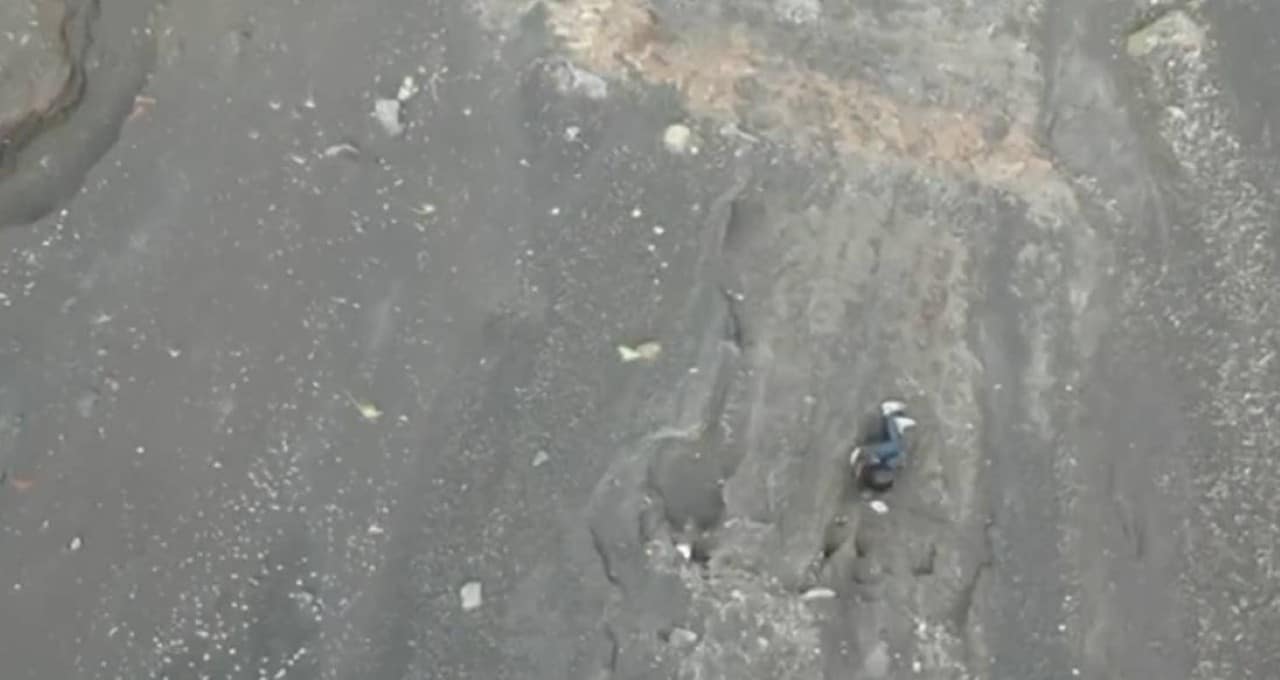
More than 40,000 people were forced to abandon their homes in Indonesia and seek refuge in temporary shelters after a strong earthquake hit the island of Flores. Emergency services, on August 18, 2026, updated the death toll to 70, while the number of injured also increased considerably, highlighting the scale of the disaster that continues to impact the region. The country, located on the so-called “Pacific Ring of Fire”, is often affected by intense seismic and volcanic activity.
Significant increase in homeless and injured people in the region
The National Disaster Management Agency (BNPB) confirmed that more than 40,000 people are currently displaced as a result of the earthquake. This number represents a significant increase compared to the 12,800 homeless people registered just one day earlier, demonstrating the growing need for support. The speed with which the total number of affected people grew highlights the seriousness of the humanitarian situation on the island of Flores, in the east of the country.
Furthermore, the number of injured people exceeded the mark of 1,100 individuals. This is an increase of more than ten times compared to the initial balance, demonstrating the urgent need for medical assistance and relief for the local population. Rescue teams continue to work tirelessly to assist those affected.
Structural damage and the psychological impact of aftershocks
The earthquake, which reached magnitude 7.7 on the Richter scale, caused damage to around 12,000 homes in several communities in Flores. The destruction of homes is an immediate challenge, but a BNPB spokesperson, Berton Suar Pelita Panjaitan, clarified that many residents are reluctant to return to their properties. The main reason for the hesitation is the continuous occurrence of hundreds of aftershocks, which generate constant fear.
“The number of displaced people does not just reflect the extent of the damage to homes, but rather the psychological impact that residents are facing,” Panjaitan said at a press conference. This statement emphasizes that trauma and fear of aftershocks are crucial factors keeping families away from their homes, even those that have not been severely damaged.
Since the main tremor, which occurred on August 15, 2026, the region has been the scene of more than 2,100 aftershocks. Of this total, around 70 were strong enough to be noticed by the population, intensifying the climate of insecurity and apprehension that permeates the island.
Humanitarian aid efforts intensify in affected areas
In response to the humanitarian crisis, large volumes of aid are being mobilized to the island of Flores. BNPB said it has sent more than 100 tons of essential supplies since August 15, 2026, the date of the initial earthquake. This shipment includes items crucial to the survival of the homeless and injured.
The National Police also actively participates in relief efforts. The head of the National Police, Listyo Sigit Prabowo, said the corporation distributed approximately 250 tons of assistance. Materials include:
- Basic foods
- Medicines and health supplies
- Clothes and blankets
- Power generators for areas without electricity
- Other Essential Supplies for Temporary Shelters
These joint actions aim to alleviate the suffering of communities and ensure access to vital resources amid the devastation, with a focus on the recovery and well-being of the affected population.
Indonesia’s geology and constant seismic risk
Indonesia is situated in one of the most geologically active regions on the planet, known as the “Pacific Ring of Fire”. This is a horseshoe-shaped area in the Pacific Ocean where most of the world’s earthquakes and volcanic eruptions occur due to the meeting of several tectonic plates. The frequency and intensity of earthquakes in the country are a direct reflection of this complex geographic condition.
Despite the resilience of the Indonesian population, each new event like the Flores earthquake reinforces the need for robust early warning systems and resilient infrastructure. The constant seismic threat requires continuous planning and preparation for large-scale natural disasters, aiming to minimize future human and material losses.




