
Maintaining an upright posture improves mood and decision-making, study finds


Recent research suggests that maintaining an upright posture can have a significant positive impact on both your state of mind and your ability to make decisions. The finding, although intriguing, should be viewed with initial caution, considering that the experiment was conducted with a relatively small group of participants. The researchers point out that the findings open the door to a deeper understanding of the connection between the body and mind, but highlight the need for broader studies to confirm and expand these observations.
Understanding the connection between posture and well-being
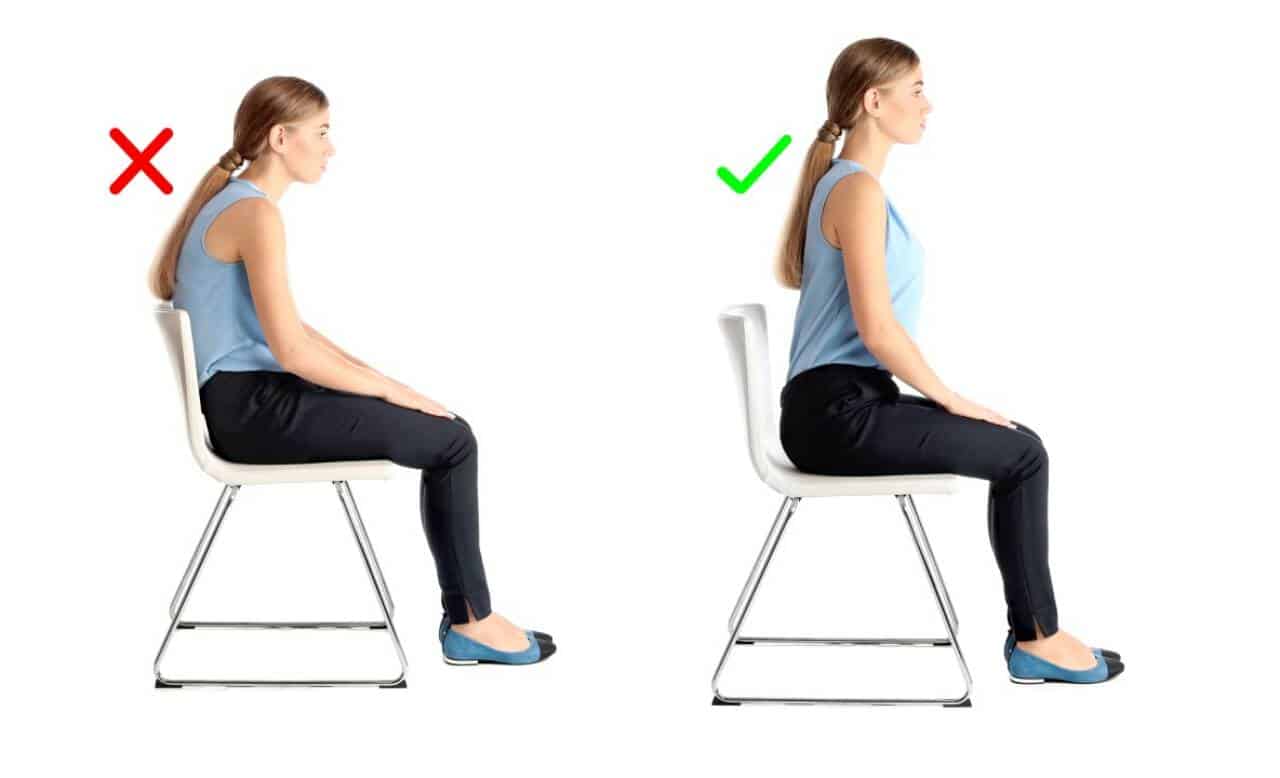
The study, which investigated how body position influences cognitive and emotional processes, observed that individuals who were instructed to sit more upright showed greater resilience to stress and a more optimistic outlook compared to those who adopted more relaxed or slouched postures. This difference was noted in psychological tests and in the way participants reported their experiences and feelings throughout the sessions. The experiment used a methodology that included standardized mood assessments and tasks that required choices under pressure, allowing scientists to analyze the nuances of decision-making in different postural contexts. The results indicated that posture can act as a subtle but present modulator of our internal state.
The theory behind these findings suggests that physical posture can send signals to the brain that influence brain chemistry and function. Adopting an upright posture, for example, can be interpreted by the nervous system as a sign of confidence and control, which in turn could release neurotransmitters associated with well-being and mental clarity. In contrast, a slouched posture could signal submissiveness or stress, perpetuating a cycle of negative feelings. Although these connections are still being explored, the preliminary data provide a basis for future investigations into the neurophysiology of posture.
The impact of posture on daily life and productivity
The implications of these findings could be vast, especially in work and study environments where posture is often overlooked. If the way we sit really affects our mood and the quality of our decisions, small interventions to encourage a more upright posture could yield considerable benefits. Professionals who need to deal with high pressure and make quick decisions, such as executives, doctors or market operators, could benefit from greater attention to their ergonomics. Research suggests that simply adjusting the way you sit can offer a practical and affordable tool for improving cognitive performance and mental health.
In addition to the professional context, the impact of posture can also be seen in personal life. Maintaining an upright posture in social interactions, for example, can not only convey confidence, but also induce a more positive state of mind in the individual, facilitating communication and reducing anxiety. Body self-awareness, therefore, emerges as a factor that deserves more attention in the search for a more balanced and productive lifestyle. The simplicity of this possible intervention, the act of sitting correctly, contrasts with the complexity of its potential benefits, highlighting the value of continuing to explore the interconnections between the physical and the mental. The scientific community eagerly awaits new research that can consolidate and detail these initial results.





