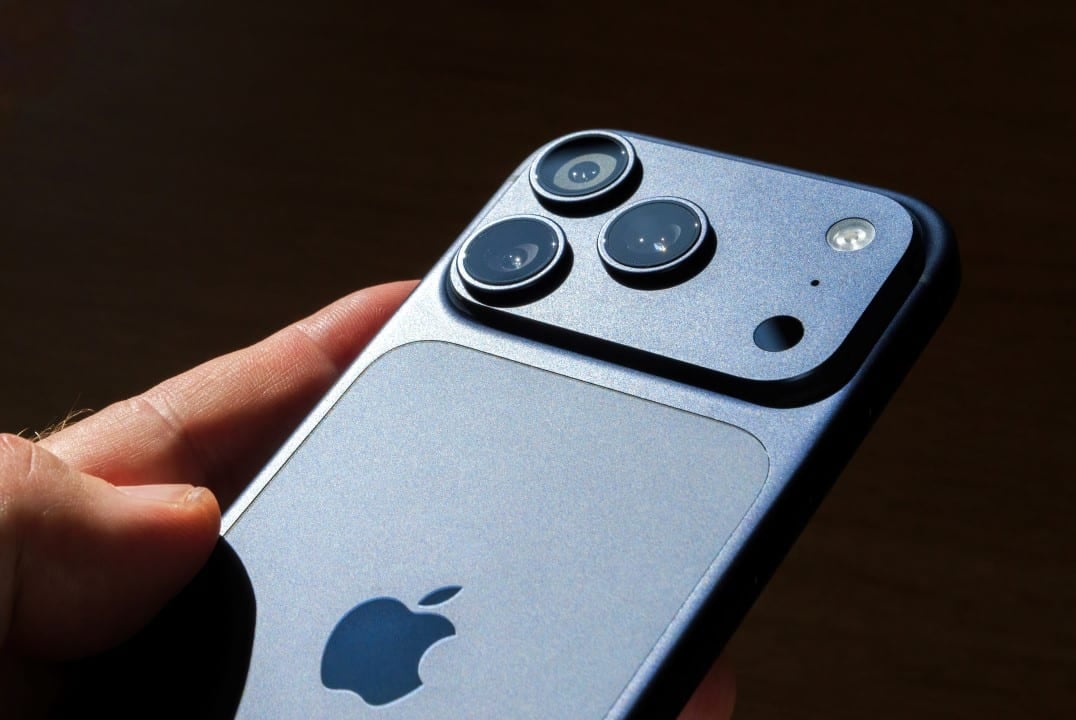
The iOS manufacturer plans a profound overhaul of its traditional announcement calendar, leaving behind the custom of revealing its entire line of cell phones at once. For the next generation, the company should focus initial attention on the iPhone 18 Pro, the Pro Max variant and its long-awaited debut in the flexible screen segment, which could be called iPhone Ultra. As a result, the entry-level version of the iPhone 18 would be saved for the first half of 2027, sharing the stage with the brand’s cheapest model, the iPhone 18e. This logistical maneuver seeks to reduce bloat in presentations, dilute high spending on hardware parts and attract customers who usually change devices outside the end-of-year window, while also ensuring that the foldable device shines without internal competition.
Recent information has brought more clarity about this division of dates, revealing specific projections for the arrival of the new family of smartphones in global retail.
Historically, the month of September has always been synonymous with big revelations for the Cupertino giant. However, the company’s next major event, estimated to take place around September 9th, promises to drastically break this paradigm, as recent industry leaks point out.
To understand the change, it is worth observing the previous cycle, when the brand made the iPhone 17, the two Pro versions and the iPhone Air available in September 2025, leaving the affordable iPhone 17e for March of the following year. This movement marked the second consecutive cycle in which the manufacturer distributed five different devices over the months, repeating the tactic adopted during the transition of the iPhone 16 line.
If the hottest rumors are confirmed, the technology market will witness a completely restructured product showcase in the short term. The absence of the conventional edition of the iPhone 18 on shelves this year draws attention, although the project continues to be in full development in the company’s laboratories.
Launching the premium variants before the standard edition may sound like a break in commercial hierarchy, but the technical justification is directly linked to the massive quantity of electronics that the company plans to put into circulation.
Arrival of Apple’s first flexible cell phone demands exclusive attention
In addition to the two devices in the Pro line, rumors strongly point to the revelation of the brand’s first foldable screen cell phone, provisionally called the iPhone Ultra. The introduction of this unprecedented format raises a natural question: if the company managed to manage the announcement of four simultaneous devices last year, what would be the obstacle of presenting only three in this round? The answer involves the need to confront Samsung’s hegemony in the foldables sector, demanding that Apple’s new product have full prominence in the media, without sharing the spotlight with conventional models.
Analyst Michael Burkhardt, from the specialized portal 9to5Mac, highlights that the addition of the Ultra model would increase the manufacturer’s annual catalog to a total of six smartphones. According to the expert, this quantity would create a marketing bottleneck, resulting in a confusing and overloaded presentation if all the equipment were revealed on the same day.
This count, however, generates debate behind the scenes, as the list of six devices would include the Pro versions, the base model, the “e” edition and a possible second generation of the iPhone Air. Experts believe that the Air line was not designed to receive annual updates, justifying the absence of numbering in its commercial baptism and partially relieving the launch schedule.
Strategic advantages of postponing basic models to 2027
Pushing the debut of the entry-level version to the first half of 2027, doing a double with the iPhone 18e, delivers important logistical and financial benefits for the corporation.
The first crucial factor involves inflation in the supply chain, which has been forcing the industry to pass on costs to the end consumer. By postponing mass production, the company buys time for the value of the parts to stabilize, while the current scenario of expensive electronics helps to camouflage any adjustments to the product’s final label.
Another positive point directly affects consumer behavior, especially those who renew operator plans at the beginning of the year or who receive their cell phone as a late holiday gift. Instead of waiting almost a year for innovations, this public will have two new innovations available in the first few months of the calendar.
Furthermore, the fan base has become accustomed to the fragmentation of the portfolio over the semesters. Revealing two devices at once outside the main window generates a much stronger media impact than launching an isolated device.
For the tactic to work, the engineering team will need to establish very clear technical differences between the conventional edition and the low-cost variant, preventing one from cannibalizing the sales of the other.
An additional detail reinforces this calendar engineering: the succession of the iPhone Air is unlikely to appear at the end of the year, precisely to avoid being swallowed up by the frenzy surrounding the flexible screen. Mixing two routine updates with a revolutionary format is acceptable, but inserting a second niche device into the same event would be a serious tactical error.
Consequently, the ground is free for the successor to the Air model to hit stores only in the first half of 2027, forming a trio of launches alongside the more affordable editions of the 18th generation.
Date predictions for the brand’s next announcements
As tradition dictates, the manufacturer’s next major conference is scheduled for September. Market analysts are betting on the 9th as the most viable date, with the 8th falling by the wayside, with the hypothesis of an announcement shortly after the Labor Day holiday in the United States, which will fall on the 7th, being practically ruled out.
Regardless of the exact day chosen by the executives, the event will mark the first public display of the premium versions of the new generation and the long-awaited foldable device. The stage should also be used for the introduction of the Apple Watch Series 12 and the Ultra 4 smart watch, leaving out the SE line, which already received its update in last year’s cycle.
Even with the storefront leaner due to the lack of basic models, the retail schedule will follow the company’s usual rigor: the reservation phase should begin on September 11th, with the new equipment physically arriving in the hands of buyers from the 18th of the same month.