

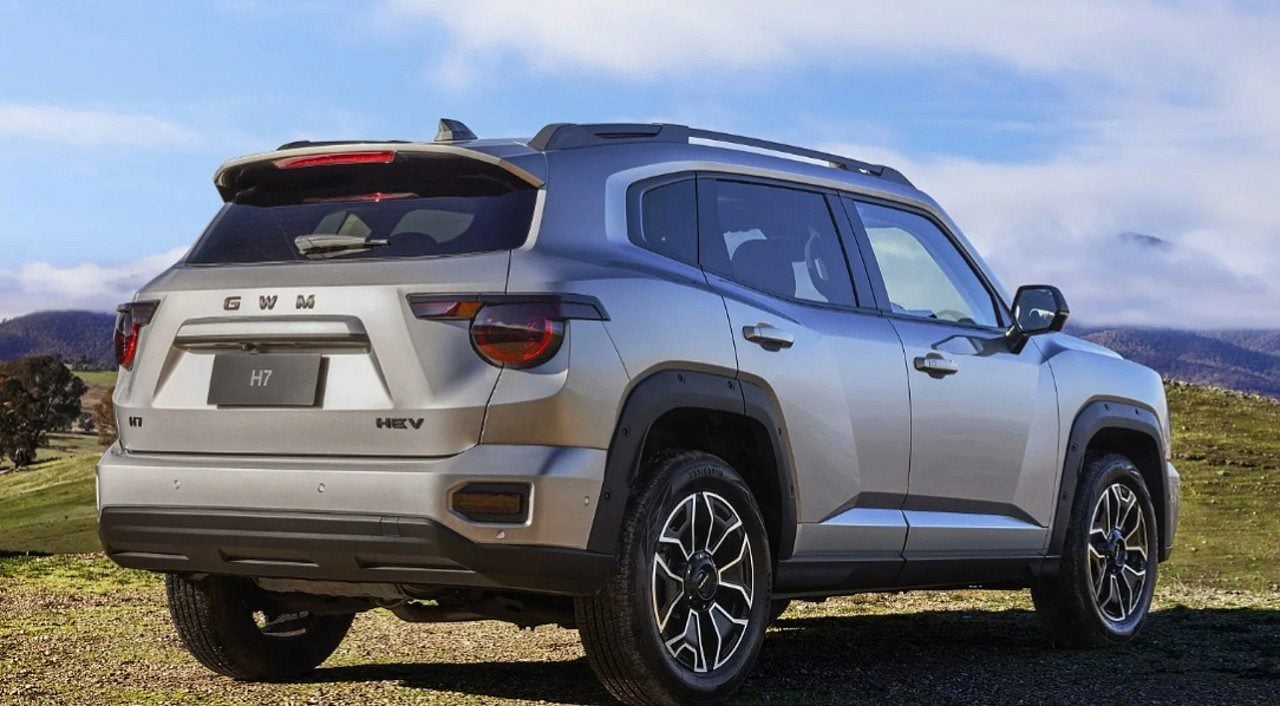
Asian manufacturer GWM confirmed the introduction of a new sports utility vehicle for Brazilian consumers in the 2026 calendar. The chosen vehicle is called the Haval H7, a hybrid option with external recharging that promises to shake up the spacious family car category. This commercial movement shows the company’s clear intention to leave the stigma of a brand focused only on cost-benefit to fight directly in niches where the demand for finishing and innovation speaks louder.
The national automotive scenario is undergoing a profound transformation with new emissions rules and the gradual return of import taxes for electrified vehicles. In this competitive environment, the recently announced utility targets customers who currently buy the Toyota Corolla Cross or the Jeep Compass. The strategy involves delivering an electrified powertrain package that is much stronger than what traditional combustion options currently offer at dealerships across the country.
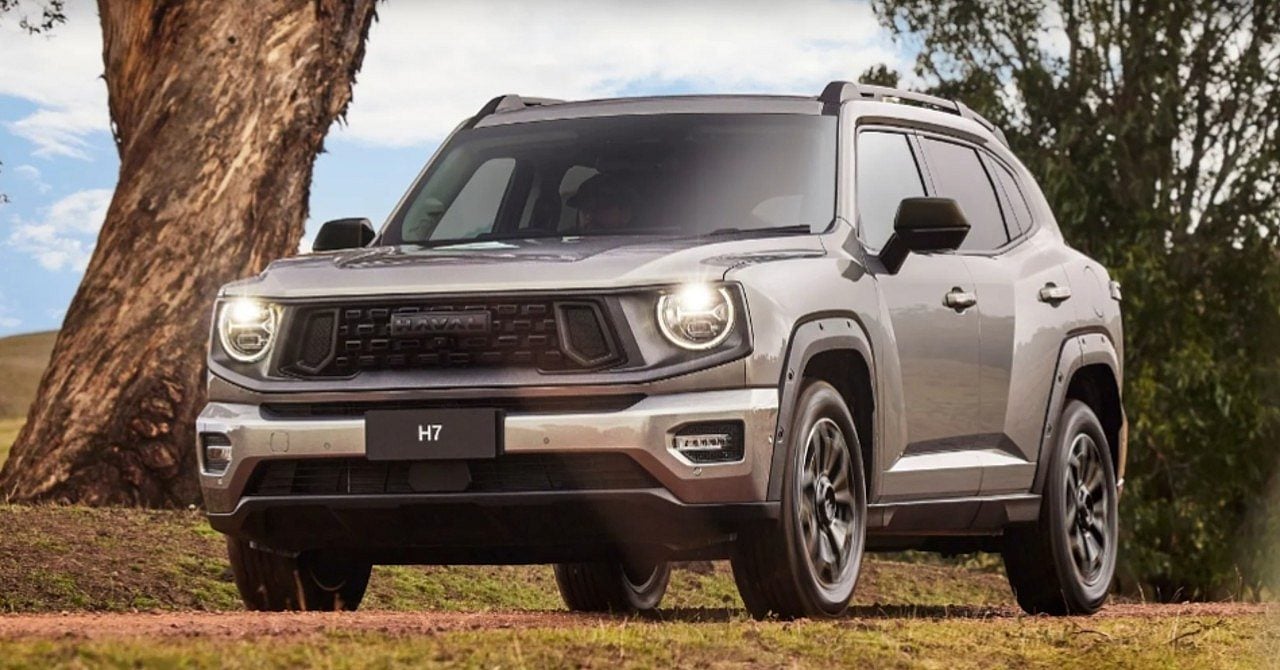
With this move, the Chinese assembly line forces brands already rooted in the market to review their price tables and equipment lists. The consumer gains bargaining power, as the arrival of a product packed with driving assistants changes the perception of what is acceptable to pay for a new car. The level of demand rises, forcing the entire industry to move so as not to lose space in Brazilian garages.
Expanded architecture guarantees plenty of internal space and family luggage compartment
The physical measurements of the next launch impress those looking for comfort for long trips with a crowded cabin. The engineering project designed a body measuring approximately 4.8 meters from tip to tip, ensuring legroom for rear seat occupants. The luggage compartment follows this expansive proposal, providing around 586 liters of useful volume to accommodate suitcases, baby strollers and bulky purchases without cramping.
These numbers place the newcomer on a higher level than its smaller brother, the Haval H6, which already has excellent acceptance on Brazilian streets. The intention of the company’s management is to set the charging price at a level below R$300,000 at the time of launch. This financial ceiling was calculated down to the smallest detail to steal sales from both gasoline-powered mid-size utility vehicles and entry-level pure electric vehicles sold by other automakers.
The recipe focuses on attracting family heads who value visual robustness combined with superior equipment delivery. While rivals from Jeep and Toyota charge a lot due to the tradition of their emblems and the vast network of workshops, GWM counterattacks by delivering a much more complete technical sheet. The buyer ends up taking home a superior car paying the equivalent of a lower category model from traditional brands.
Dual motorization guarantees abundant horsepower and efficiency in daily consumption
The mechanical heart of the Asian utility unit combines the best of both worlds by combining a 1.5 turbocharged gasoline engine with a high-capacity electrical system. The total horsepower generated by this technological marriage varies from 326 hp to an impressive 364 hp, depending on the final calibration chosen for our asphalt. This brute force leaves the overwhelming majority of direct competitors that frequent the same price range in the shop windows in the dust.
If we put the BYD Song Plus and the Jaecoo 7 on the scale, we notice that they both have ecological proposals, but they fail when it comes to delivering vigorous accelerations. GWM’s product solves this bottleneck by offering immediate torque for safe overtaking on single-lane highways. The driver feels the quick response on the accelerator pedal without compromising the vehicle’s directional stability, even if it is a car with a high weight due to the batteries.
The energy accumulator allows you to travel dozens of kilometers with just the charge taken from the socket, eliminating the need for fossil fuels on the journey between home and work. When travel requires intercity distances, the gas tank springs into action to eliminate any refill anxiety. This duality perfectly suits the Brazilian road infrastructure, which still lacks fast charging stations on highways far from large urban centers.
Precision radars and high-definition screens transform the cabin into a command center
The instrument panel abandons the analog pointers in favor of a 10.2-inch digital monitor, responsible for displaying vital autonomy data and instantaneous energy flow. In the center of the console, a gigantic 14.7-inch touchscreen displays the climate, entertainment and satellite navigation controls. The fluidity of the operating system prevents annoying choking when transitioning between the car’s native applications.
The great technological asset, however, is hidden in the body: the laser mapping known as LiDAR. Unlike ordinary cameras that lose efficiency in heavy rain or total darkness, this sensor emits pulses of light to create a three-dimensional map of traffic in real time. This guarantees advanced-level semi-autonomous driving, reading signs, pedestrians and obstacles with millimeter precision that is unprecedented in this value category.
To understand the level of sophistication on board, look at the main series items confirmed for the version that will reach dealerships:
- Central infotainment monitor with 14.7 inches of very high visual resolution
- Customizable 10.2-inch instrument panel focused on electrical system management
- Built-in LiDAR environmental scanner for advanced all-weather safe driving assistance
- 360-degree peripheral vision system coupled with automatic braking against imminent collisions
The presence of these sophisticated hardware changes the rule of what we consider a complete car in Brazil. Until recently, laser radars were exclusive to European luxury sedans that cost triple the price asked by the Chinese manufacturer. The customer now has access to an electronic protection bubble that actively works to prevent serious accidents in the chaotic traffic of large cities.
Expansion of the catalog intensifies the competition for customers with high purchasing power
The arrival of this electrified giant messes up the chessboard of automakers installed in the national territory. Pure combustion models, like the Volkswagen Taos, lose their appeal compared to a machine that pollutes less, drives more and comes with an infinitely superior safety package. Automotive giants will need to accelerate their own hybridization projects if they don’t want to see their yards full of stranded cars in the coming years.
The rivalry with compatriot BYD takes on a new electrifying chapter with this announcement. The Song Plus built an empire based on fuel economy and aggressive pricing, but now it meets a challenger that charges a little more to deliver a massive dose of power and semi-autonomous technology. The buyer has different options: focusing only on the cost per kilometer driven or investing in a vehicle that takes part of the steering control to reduce stress in traffic.
Filling in portfolio gaps is key to long-term survival in Brazil. The Haval H6 continues to reign as the gateway to the world of the brand’s medium-duty vehicles, while the H7 fills the gap that existed until the extreme luxury models. This ladder of products builds customer loyalty, allowing them to change cars within the same dealership as their income increases, definitively consolidating the automaker’s presence in the country.




