While the usual respiratory virus season has not yet started, the current scenario shows a notable increase in Covid-19 cases. With the arrival of summer, many people experience symptoms such as cough, runny nose or fever, which can easily be confused with a common cold, but which could indicate the presence of coronavirus.
Although the presence of influenza and Respiratory Syncytial Virus (RSV) remains at low levels, Covid-19 records a growing wave during the hot season. The US Centers for Disease Control and Prevention (CDC) revealed that the test positivity rate exceeded 3% in the week ending August 8, which has not occurred since March, and the numbers are rising in every US state.
Although the number of infections is not particularly high, the situation requires attention. Dr. Caitlin Rivers, an outbreak science expert at the Johns Hopkins Center for Health and Safety, said August “is definitely Covid season,” with the South and West regions of the United States leading the surge, a pattern similar to that seen in previous years in states such as Florida, Texas and Georgia.
How Covid-19 differs from other respiratory viruses
Respiratory viruses generally circulate throughout the year in the United States, but hospitals and clinics traditionally see a spike in flu and RSV cases during the fall and winter. However, since the emergence of Covid-19, the disease cycle appears to start earlier.
Unlike influenza and RSV, which usually peak once a year, between December and February, and decline around April, Covid-19 demonstrates a different behavior, showing peaks in both winter and summer. Experts recommend that preventive measures be adopted at this time.
Challenges in monitoring the circulation of the virus
Monitoring the spread of the coronavirus is a crucial step to preventing the disease, explains Dr. Amanda Zink, an emergency physician and researcher at Yale University, co-developer of the PopHIVE platform, which provides near real-time health data in the US. However, monitoring cases has become more complex than in the most intense phase of the pandemic.
Currently, the United States federal government collects significantly less data. Laboratories are no longer required to report negative tests, and hospitals do not need to report specific bed capacity, which makes it difficult to get a complete picture of the situation.
Dr. Scott Harris, Alabama’s public health director, said the medical community needs to work with the tools available. The CDC, for example, now relies on indicators such as wastewater data, emergency room visits and laboratory test results to assess the presence of Covid-19 in the country.
In Alabama, Harris noted that Covid-19 is not yet reflected in significant increases in hospitalizations or deaths, but cases are in a gradual “surge” rather than an uncontrolled “explosion.”
The doctor explained at a press conference by the Association of State and Territorial Health Authorities that, with the scarcity of more detailed data, it is difficult to describe the numbers precisely. Currently, detection is limited to positive tests, without the previous clinical context that was common.
How to monitor the situation and protect yourself
Dr. Amanda Zink suggests that people consult platforms like PopHIVE and other disease monitoring sites before traveling to help decide the appropriate level of protection. She said it’s helpful to know what’s happening locally to take tailored control measures.
Amanda Bidwell, scientific program manager for Stanford University’s WastewaterSCAN, uses the platform daily as a “weather map” to plan her activities. The program, which monitors viruses in wastewater and is updated daily, allows her to assess the risk in her region, such as the Bay Area, and decide whether to wear a mask at events or flights.
Wastewater data is valuable as it can indicate an increase in cases of Covid-19 or other diseases before people even show symptoms or undergo testing, as the viral RNA is eliminated days before.
For the week ending August 8, the CDC’s wastewater surveillance report classified the incidence of Covid-19 as “very low.” However, WastewaterSCAN, which employs a different methodology and is more up-to-date, characterizes activity as “high” and shows an upward trend over the past 21 days in all regions except the Midwest, where activity is “average.”
With last-minute summer travel, the return to school, and waning immunity from vaccines or previous infections, Covid-19 cases are likely to continue to rise. Assessing the severity of cases is also important to understanding risk: CDC emergency room data indicated, as of August 12, that Covid-19 visits were low in most regions, but were rising in the West and South.
Preventative measures and treatments available
Covid-19 can still cause serious illness and even be fatal. So Dr. Zink reminds patients about non-pharmaceutical options for avoiding the emergency room, citing her experience in Palmer, Alaska.
Among Dr. Zink’s recommendations is regular hand washing. The CDC advises using soap and water for about 20 seconds, the equivalent of singing “Happy Birthday” twice.
Wearing a well-fitting N95 mask is effective in filtering at least 95% of airborne particles, helping to protect the wearer from inhaling the virus and also preventing transmission if they are sick.
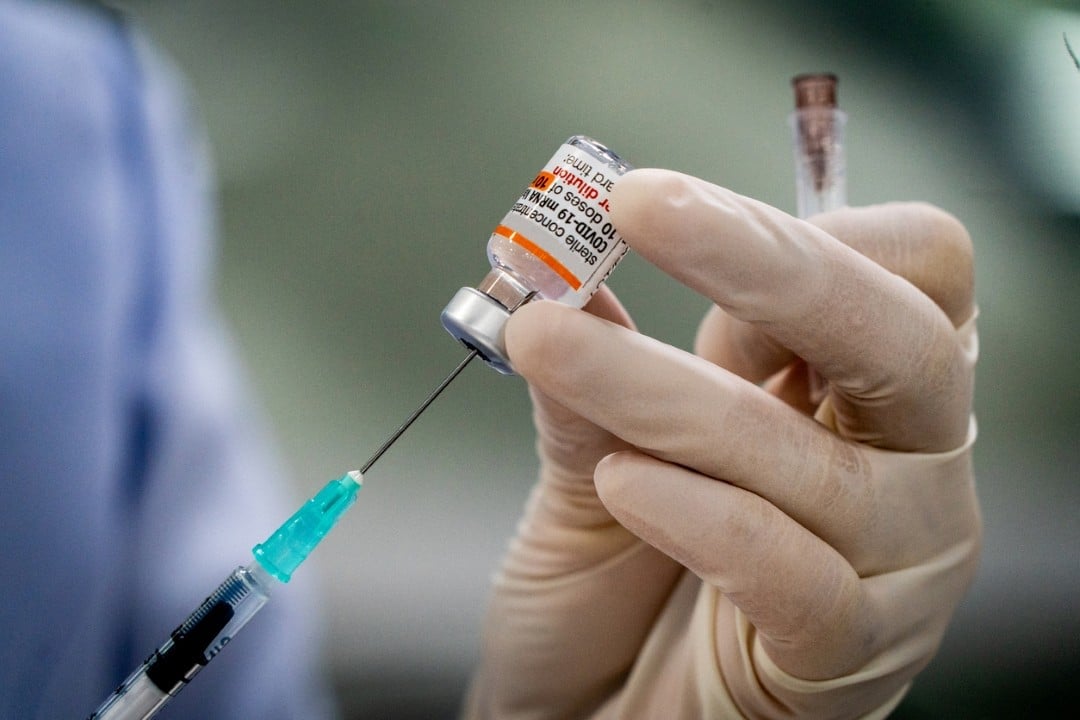
If you did not receive the Covid-19 vaccine in the previous year, it is advisable to talk to your doctor or pharmacist about the possibility of taking a dose, including one formulated for the previous season. Dr. James McDonald, health commissioner for the New York State Department of Health, said that for high-risk people, especially if it has been eight to 10 months since their last vaccination, a doctor’s consultation is critical to determining the best decision.
The US Food and Drug Administration (FDA) Vaccines and Related Biological Products Advisory Committee has already presented its suggestions for the composition of the Covid-19 vaccine for this season. The expectation is that the vaccine will be available at the end of September, still awaiting the official recommendation from the CDC.
During the Trump administration, the federal recommendation for vaccination against Covid-19 was adjusted from universal to more specific guidance, suggesting that everyone 6 months of age and older consult a healthcare professional. Most medical organizations continue to recommend vaccination, and insurers have indicated they will maintain coverage.
If someone in your family contracts the disease or you have close contact with an infected person, a new medicine called Xocova, the first oral antiviral tablet approved by the FDA, may help prevent the disease in people aged 12 and over who have been exposed to the coronavirus.
What to do in case of infection
If you become sick, Paxlovid medicine can reduce your risk of developing a serious infection, especially if started soon after symptoms appear. However, treatment is no longer free as it was during the pandemic, and it is important to check health plan coverage.
To contain the spread of the disease, it is essential to stay at home if you have symptoms. The CDC advises isolating and wearing a mask around other people while symptoms persist. The agency indicates that after 24 hours without a fever and without using fever medications, it is safe to interact with others again.