

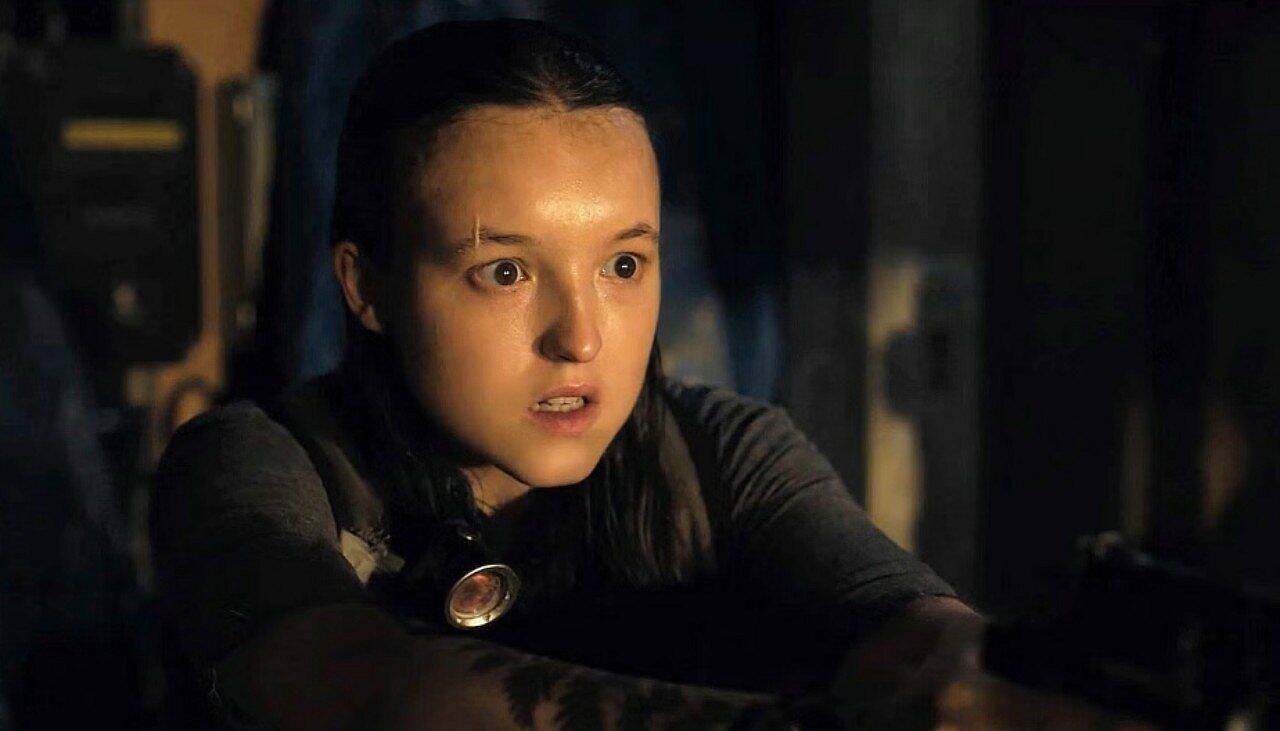
The first season of The Last of Us, aired on HBO, received almost unanimous acclaim, but the second part of the series found a more divided reception among audiences. One of the most impactful moments was Joel’s death in the second episode, an event that proved to be a faithful adaptation of the plot of the game The Last of Us Part II.
Despite the shock of eliminating one of the protagonists so early, Joel’s departure was not identified as the main mistake of the second season. In fact, fidelity to the original material, in this aspect, could have kept public opinion less polarized at the end of the season.
The real sticking point with the game began when Ellie decided to go after Abby, disregarding not only personal advice but also the collective decision of the community of Jackson, Wyoming. Only Dina accompanied her on this journey, and when the two set out on their own, Jesse and Tommy were compelled to follow them to ensure everyone’s safety.
This subtle change to the game’s events significantly impacted Ellie’s characterization throughout the season. If Tommy had kept his game personality at this crucial point, Ellie’s story would have been realized in a more understandable way. However, season three still offers an opportunity to realign both characters to their origins.
How Tommy’s adaptation could influence Ellie in the next season of The Last of Us
In The Last of Us Part II, it is Tommy who, in fact, begins a risky solo mission to avenge Joel. He doesn’t act as a voice of reason ignored by Ellie; he is the catalyst that propels her to action. In season two, HBO portrayed Ellie as the only character driven by irrational revenge, ignoring pleas to stay home and consequently implicating prominent Jackson citizens in Seattle, leaving the community vulnerable.
Although The Last of Us is an emotionally charged narrative, the game introduced players to Ellie’s mental state through more logical decisions. Saving Jackson’s outlaw leader would be a more justifiable motivation for Ellie than immediately setting out to kill Abby, defying the well-established desires of the entire town.
On a more in-depth level, The Last of Us Part II explored Ellie’s psychological state in greater detail, and the game’s specific sequence of events allowed her to take her actions to the extreme. In the game, although Ellie also wanted Abby judged, Tommy’s initiative made this desire seem more human and universal, rather than an isolated and atypical reaction from Ellie.
This also provided Ellie, and the players of The Last of Us Part II, the ability to deceive themselves about their true motivations. Only later in the story was the game’s Ellie forced to admit that Abby was the true driving force behind her actions. The opportunity to believe she was killing strangers and putting Dina in danger for a more noble cause—saving Tommy—pushed her to the point of no return.
Although the second season introduced a cautious, rational, and somewhat out-of-character Tommy, The Last of Us season three has the chance to reignite his vengeful side and guide Ellie’s characterization to a more realistic place.
What to expect from HBO’s The Last of Us narrative continuity
The HBO series The Last of Us is currently halfway through the story of The Last of Us Part II. Kaitlyn Dever’s promotion to the main cast as Abby for season three indicates that the show will broadly follow the game’s plot, which explores Ellie’s harrowing three days in Seattle from Abby’s perspective.
In the game, Tommy does not play a prominent role in Abby’s story, even as she pursues him. However, the third season of The Last of Us could benefit from giving more screen time to Gabriel Luna, playing Tommy, to emphasize the dark, angry and vengeful side of his character, which was absent in the second season, especially considering the role he will still have in the story’s epilogue.
Even after the conclusion of Abby’s story and the outcome of the confrontation between her and Ellie, which ended the second season with a cliffhanger, the protagonists’ saga will be far from over. Even more complex choices await Ellie, and in the game’s narrative, they are once again driven by Tommy.
With the characterization he’s received thus far, HBO’s Tommy may not follow the game’s trajectory, but realigning his character would make a big difference to Ellie’s controversial decisions and behavior.
While season three will be predominantly Abby’s story, the surprising casting updates for The Last of Us already suggest that the next phase of the series will build on the game’s narrative, as it successfully did in season one’s “Long, Long Time.” Giving Tommy similar treatment in season three could stabilize the direction of the HBO series.




