Devastating floods in Nepal and Tibet leave 22 dead and hundreds missing this Wednesday

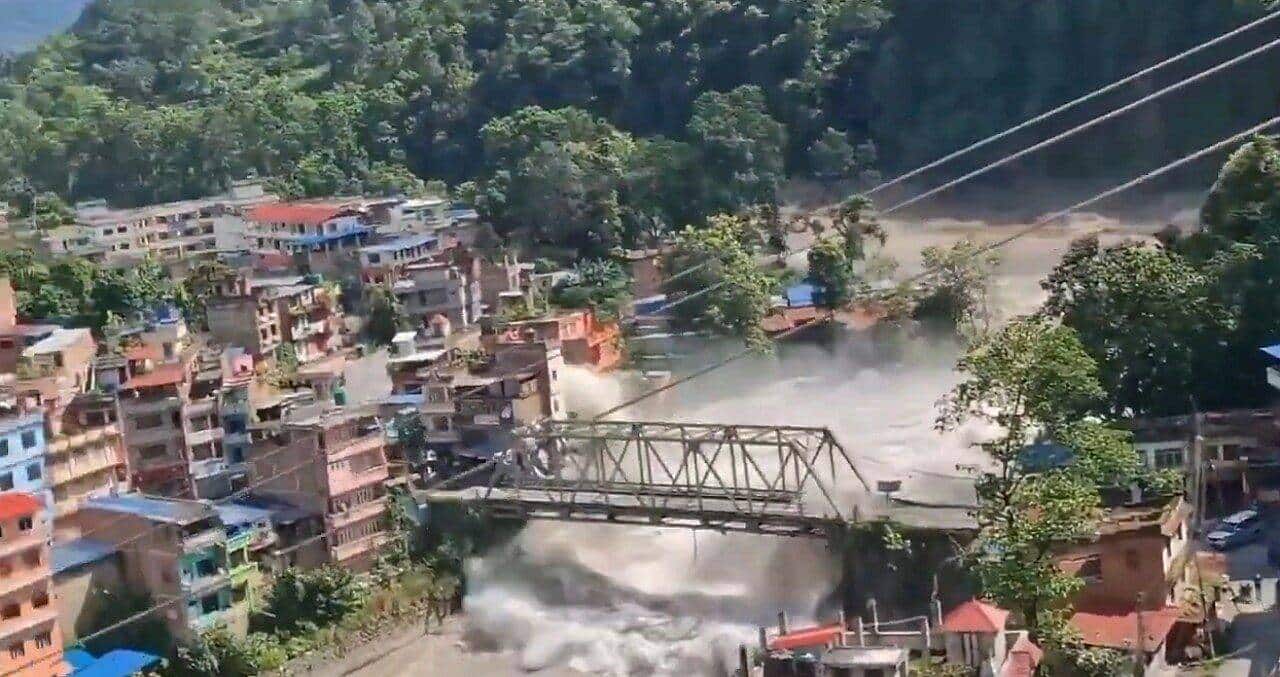
A sudden flood with great destructive power left a trail of deaths and missing people on the border between Nepal and Tibet, in China, on August 26, 2026. Authorities have confirmed the recovery of 22 bodies so far, while rescue efforts continue to search for hundreds of people.
Hundreds of people are missing in the border region
The Nepal Tourism Board reported that 384 travelers were reported missing following the natural disaster, with 291 of them being foreign tourists. The scale of the damage and the large number of people who have not yet been located generate intense concern in the region and among international communities. A district administrator, Narendra Pariyar, appealed to residents near rivers to move to safer areas, indicating the seriousness of the situation.
Impact on villages and infrastructure in the region
Images shown on television showed the force of the flood, with houses completely destroyed, vehicles swept away by the current and even a metal bridge being washed away by the waters of the Bhote Koshi River. Witnesses reported that entire villages were swallowed by the flood. The mountainous area of Rasuwa, Nepal, with approximately 50,000 inhabitants, was one of the hardest hit, where rescue helicopters found it difficult to land and access victims. A local health worker, Tula Bahadur BK, described a scene of “devastation everywhere”, mourning the disappearance of five of her own relatives.
Landslide affects Tibet and leaves workers missing
On the Tibetan side of the border, in Gyirong County, a landslide also contributed to the destruction. This event affected a crucial land crossing between the two countries and hit the local port. The consequences were the interruption of roads, communications and energy supply in the Shigatse region. Among those missing in this area are eight South Korean workers who worked at a hydroelectric plant, highlighting the cross-border impact of the disaster.
Investigation into the cause and rescue efforts continue
The exact cause of the flooding is still under investigation. However, a similar flood that occurred on the same river the previous year was attributed to the emptying of a glacial lake. This context suggests that geological instability and climate change may be playing a role in the disasters hitting the Himalayan region. Nepal’s Prime Minister Balendra Shah confirmed that teams from the police and armed forces are mobilized for complex search and rescue work, which faces major challenges in the rugged terrain.