
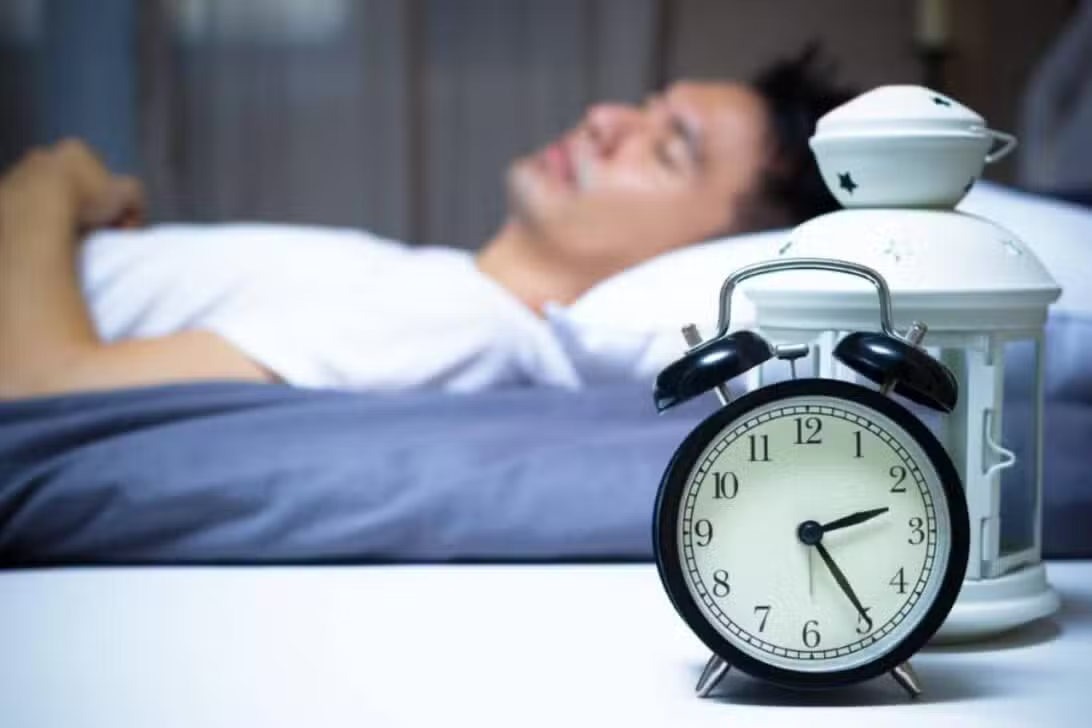
Considered a public health problem, Obstructive Sleep Apnea Syndrome (OSAS) affects around 30% of the Brazilian adult population, according to data from the Brazilian Sleep Association, although the vast majority live with the disorder without any diagnosis. The condition is defined by repetitive blockages in the air passage while the person sleeps, generating breathing pauses that vary from a few seconds to entire minutes. Each episode of this type drops the oxygen saturation in the body and forces the brain to promote micro-awakenings, ruining the architecture of the night’s rest. As the most visible symptom is usually snoring, many patients view the situation as a mere noise nuisance, ignoring the silent wear and tear that oxygen deprivation imposes on vital organs night after night.
Main physical manifestations that help detect nocturnal respiratory blockages
The big challenge in tracking this dysfunction lies in the very nature of the problem, as critical events happen exactly when the patient is unconscious. Due to this limitation, the report of those who share the room or bed gains fundamental clinical weight at the time of medical evaluation. Intense nighttime noise is the classic sign, but the red alert really comes on when this noise is interspersed with distressing silences, followed by sudden choking or suffocation reactions. These spasms represent the mechanical struggle of the body trying to clear the throat to capture oxygen again.
Away from the pillow, the reflections of a fragmented dawn take a heavy toll on the functioning of the body throughout the day. The uncontrollable need to nap at inappropriate times dominates the patient’s routine, transforming simple tasks, such as operating machinery or driving a vehicle in traffic, into extremely dangerous situations. This chronic exhaustion goes hand in hand with failures in recent memory, slowness in reasoning and spikes in irritation for no apparent reason, undermining productivity at work. Waking up with a completely dry mouth, frontal headaches and the feeling that hours of lying down have not helped restore energy complete the classic clinical picture.
Body conditions and daily habits that make it easier for the throat to close
The collapse of the upper airways does not happen by chance and usually results from the combination of anatomical characteristics and the individual’s lifestyle. Mapping the patient’s profile helps specialists understand the mechanics of the obstruction and devise prevention strategies before the condition progresses to more severe degrees. The narrowing of the channel through which the air passes is the central physical trigger, directly influenced by variables ranging from genetics to excessive weight gain.
- Accumulation of body fat: Being overweight generates deposits of fatty tissue around the neck, creating extra weight that crushes the trachea when the muscles relax in bed.
- High cervical measurements: Individuals who wear wide collars, generally with a circumference above 43 centimeters for men and 40 centimeters for women, have a naturally more compressed respiratory canal.
- Aging process: Advancing age causes the natural loss of muscle firmness in the entire region of the pharynx and base of the tongue, facilitating the collapse of these structures onto the airway.
- Male biological factor: Men register much higher rates of diagnosis, a statistical difference that only begins to fall when women enter the menopause phase and lose hormonal protection.
- Genetic inheritance: Having close relatives who suffer from the disorder indicates a high probability of sharing the same jaw shape or narrower airways.
- Ingestion of alcoholic beverages and sleeping pills: The use of central nervous system depressants before bedtime excessively relaxes the tension in the throat muscles, increasing air blockage.
- Nicotine dependence: Cigarette smoke irritates the respiratory mucous membranes, generating chronic swelling and mucus retention that reduces the useful space for oxygen to pass through.
- Changes in facial anatomy: Patients with hypertrophied tonsils, a very retracted chin or severely deviated nasal septum face permanent physical barriers that make breathing difficult.
Systemic impacts and chronic diseases triggered by lack of oxygenation
Treating respiratory blockages goes beyond the simple search for quieter nights, becoming a vital protective measure for the functioning of all organs. Intermittent oxygen deprivation, combined with constant micro-awakenings, bathes the body in stress hormones, such as cortisol and adrenaline, throughout the night. This state of uninterrupted alertness destroys the capacity for cellular regeneration and opens the door to severe systemic failures. Interrupting this cycle of biological aggression is the only way to prevent a mechanical problem in the throat from turning into a serious medical event.
- Damage to the cardiovascular system: The sudden fluctuation in oxygenation forces the heart to beat faster and raises blood pressure dangerously. Cardiological studies indicate that patients with severe apnea are up to 30% more likely to suffer massive heart attacks or strokes.
- Uncontrolled glucose: Nighttime stress alters metabolism and increases cell resistance to insulin, serving as a direct trigger for the onset of type 2 diabetes, regardless of the patient’s diet.
- Risk of traffic fatalities: Chronic deprivation of the deep stage of rest drastically reduces motor reflexes. Drivers with the untreated disorder have car crash rates comparable to those of people driving under the influence of alcohol.
- Extreme difficulty losing weight: Changes in hormones that regulate appetite, such as leptin and ghrelin, cause the body to store more fat, creating a metabolic trap where obesity worsens apnea, and apnea prevents weight loss.
- Decline in brain functions: Lack of oxygen in the brain accelerates the death of neurons, impairing the ability to retain new information, maintain focus on complex tasks and structure logical thoughts.
- Psychiatric imbalance: Continuous physical exhaustion alters brain chemistry, serving as fuel for severe anxiety attacks, deep depressive episodes and emotional instability that affects family life.
Clinical pathways to confirm dysfunction and initiate respiratory support
Identifying the pattern of extreme tiredness and nocturnal choking requires a quick response from the patient, who must schedule a specialized consultation without delay. Professionals in the field of otorhinolaryngology, pulmonology or neurologists focused on sleep medicine are best suited to conduct the initial clinical investigation. Ignoring the body’s warnings or trying to solve the problem with homemade solutions and miracle pillows only delays the correct intervention, allowing cardiovascular damage to continue progressing silently.
Confirming the clinical picture necessarily depends on polysomnography, a highly accurate exam that maps the body’s behavior during a full night’s rest. Connected to painless sensors, the patient has their brain waves, airflow, heartbeat and muscle contractions recorded in real time by a computer. With the report in hand, the doctor classifies the disease as mild, moderate or severe, defining the therapeutic route. While initial cases may respond well to weight loss and the use of dental plates that advance the jaw, more complex conditions require adaptation to CPAP. This equipment works like a silent compressor that sends a continuous flow of air through a mask, creating pneumatic pressure that prevents the throat from closing and gives the patient the right to breathe and sleep safely.