
Samsung’s new interface arrives in the testing phase for Galaxy S26 owners
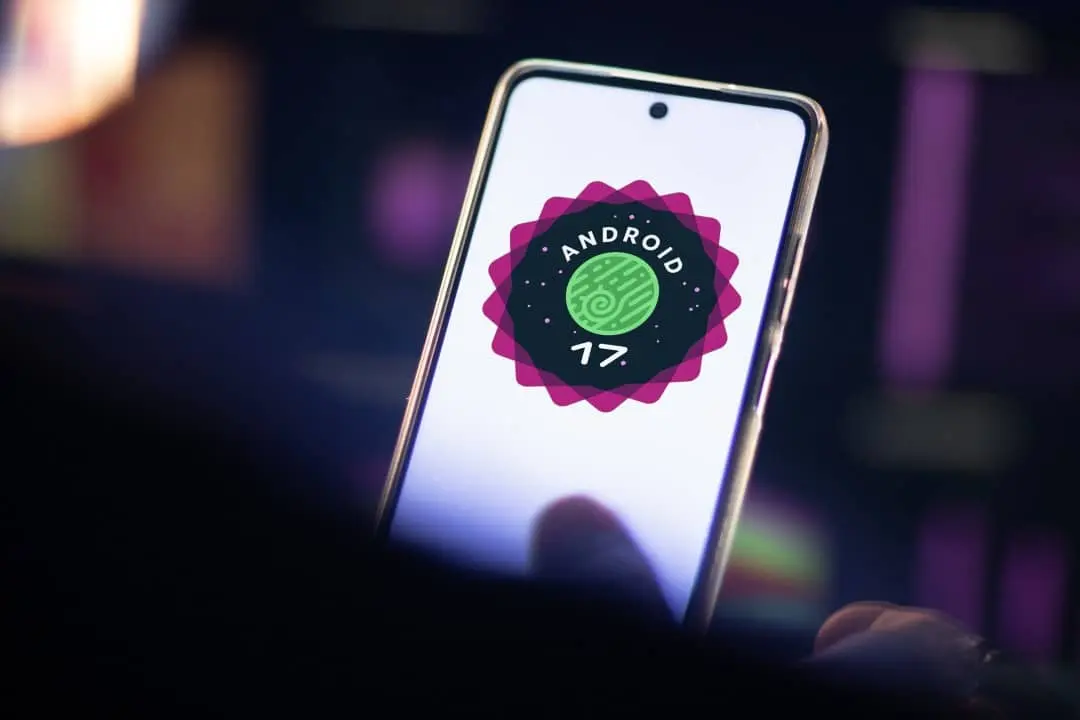
The South Korean technology giant has officially launched the experimentation phase of its latest operating system. Owners of Galaxy S26 family smartphones can now have their first contact with the innovations prepared for the brand’s ecosystem, thanks to the initial availability of One UI 9. Built on the architecture of the unprecedented Android 17, the platform promises to transform the way consumers interact with their daily devices. The focus of this generation is on a more malleable design, tools aimed at productivity and a considerably more robust digital defense barrier against intrusions.
Historically, the manufacturer uses this period of open testing to collect real impressions from the public and correct flaws before the stable launch, which usually dictates the pace of the global telephone market. The definitive edition of the software is expected to debut simultaneously with the company’s next generation of premium cell phones, expected in the final months of the year. In addition to the visual changes, the sector’s expectations revolve around the deep integration of advanced artificial intelligence resources. This strategic move aims to simplify complex everyday tasks, automating everything from editing photographs to organizing professional appointments with just a few taps on the screen.
Read also: Windows 11 receives update that allows you to reposition the taskbar and disable Bing
Visual transformations and focus on user productivity
In the field of creativity, native applications received an injection of new features to encourage device personalization. The manufacturer’s standard notepad, widely used in corporate and academic environments, now houses unprecedented stroke options for those using digital pens. Users also gained access to an expanded catalog of virtual stickers and decorative tapes to organize their digital notebooks. Another interesting structural change occurred in the contact list, which now has a direct link with the brand’s creation studio.
Learn more: Apple defines list of iPhones that receive iOS 27 and restricts new artificial intelligence
This bridge between applications eliminates the need to jump from one screen to another when creating unique ID cards for friends and family. The smartphone control center, the area most accessed during the day, also underwent a redesign to provide more autonomy to the owner. The section that contains quick shortcuts now allows for a much deeper reorganization of the layout. Essential commands, such as controlling the panel’s brightness, device volume and music player, gained independent and resizable blocks.
Significant advances in accessibility and adapted navigation
Digital inclusion was treated as an absolute priority in the development of this interface based on Android 17. People with visual or motor disabilities will find an environment that is much more friendly and adaptable to their specific needs. One of the engineering team’s greatest achievements was the unification of the screen reading system, bringing together the best of Google’s and the manufacturer’s own tools into a single cohesive package, avoiding software conflicts that occurred in previous versions.
Physical navigation also received special attention. The speed of the adapted cursor, used by those who depend on external mice or control keys, can be regulated with millimeter precision, ensuring page scrolling without jolts. For those with low vision or difficulty reading small fonts, a new floating text highlighting window has been implemented. The feature enlarges and improves the clarity of selected words on the screen, overlaying the original content without the user losing the context of the page they are visiting.
Reinforced digital shield against cyber threats
With the exponential increase in virtual scams and data theft, the operating system’s protection barrier needed to be raised to a new level of demand. The ninth edition of the interface introduces a proactive defense mechanism that acts silently behind the scenes of the cell phone. When the software detects the download of an application with anomalous behavior, hidden malicious code or a history of risk in unofficial stores, the security engine acts immediately to isolate the threat.
On the same topic: IOS 26.2.1 flaw crashes Apple cell phones and disables Face ID sensor
The protection system not only issues a blunt visual alert on the main screen, but also physically blocks the installation and execution of the suspicious program. Based on the latest security guidelines updated via the cloud, the device suggests immediately deleting the corrupted file. This extra layer of verification prevents malware from hijacking banking information or passwords saved on the device, ensuring the integrity of the owner’s personal data.
Regions covered and requirements for participation in the program
At this point, the testing phase is not global in nature, being restricted to strategic markets selected by the Asian company to evaluate the behavior of the network and hardware. The distribution of installation files began to be carried out gradually during this week. To have early access to the news, interested parties must meet some basic requirements and be located in one of the territories approved by the company’s software division.
The registration process deviates from the traditional settings menu and is done exclusively through the brand’s official community application. There, users must read and accept the confidentiality terms, in addition to committing to sending crash reports. Below are the main criteria for entering the testing phase:
- Own an active Galaxy S26 line device with no links to operators that block system modifications.
- Be physically residing in the United States, United Kingdom, Germany, Poland, South Korea or India.
- Have the manufacturer’s membership app installed, updated, and linked to an active company account.
- Perform a complete backup of personal data in the cloud or on a computer, as trial versions may present severe instabilities.
The release of the software for other regions and smartphone models should only occur after this initial code refinement step is completed. The wave update strategy ensures that download servers are not overloaded and that critical crashes are contained to a smaller group of enthusiastic testers. As soon as the final version is approved by the developers, the expectation is that devices from previous generations will also enter the official schedule for receiving the new operating system.
More news in Latest News (EN)
See more → Sony clarifies launch timing and hardware price plans for PS6
 Sony PlayStation 6 cost nears $950 as memory prices climbAfD state election triumph prompts urgent review of Germany’s democratic foundationsAaron Judge returns to Yankees lineup, igniting playoff push after three-month rib injury absenceHigh-altitude tragedy: Climber perishes after fall on Aspen-area 14er summitEgyptian TV personality and 11 co-defendants condemned to death for large-scale synthetic drug traffickingPlayStation 6 component bills surge to $960 amid memory crunch
 Rockstar North adds canine waste throwing to GTA 6 worldRockstar North details dog mechanics and street combat in GTA 6
 Corporate ChatGPT users gain custom text style replicationWorkplace ChatGPT starts copying individual writing styles
More news on Mix Vale
- 1Trump demands Bombardier relocate production to US for market access, escalating trade tensions
- 2Veteran left-hander Thomas Pannone hurls rare perfect game in Triple-A for Nashville Sounds
- 3Power outage forces FSU and SMU to play college football without modern communication tools
- 4United Kingdom to impose trade restrictions on Israeli settlements, sparking strong U.S. and Israeli opposition
- 5Top Ukrainian prosecutor resigns following probe into vast illegal call center network scheme
- 6Calls intensify for Australia to assert foreign policy independence over extensive US military presence
- 7Saxony-Anhalt results underscore growing momentum for European far-right parties ahead of key votes
- 8Julia Louis-Dreyfus reveals intense creative clashes shaped iconic sitcom ‘Seinfeld’s’ groundbreaking humor
- 9U.S. forces dismantle sophisticated floating drug refueling station tied to Ecuadorian narco-terror group
- 10Giants make unexpected roster move, release longest-tenured player Darius Slayton as Harbaugh era begins