
Trump wants to change rules and allow his own meat processing to livestock farmers


Donald Trump has announced plans to allow farmers and ranchers to process and sell their own meats without the need for facilities inspected by the United States Department of Agriculture (USDA). The initiative represents a substantial change in current health regulations, with implications for both the agricultural sector and the country’s food security.
Understanding the deregulation proposal for rural producers
The deregulation suggestion aims to free rural producers from the obligation to use slaughterhouses and slaughterhouses certified by the USDA, according to current rules. Currently, the sale of meat for public consumption in the United States requires that the product undergo a process of slaughter and packaging in approved locations, guaranteeing federal hygiene and food safety standards. Trump’s proposal, therefore, challenges decades of legislation aimed at monitoring the food production chain.
The idea came from Trump’s recent conversation with Glenn Beck, an influential conservative radio host and political commentator. This interaction underscores the search for support among specific segments of the electorate, such as farmers, who often express frustration with government bureaucracy and complex regulations. The proposal is in line with a history of deregulation frequently defended by the former president, aiming to reduce government interference in economic activities.
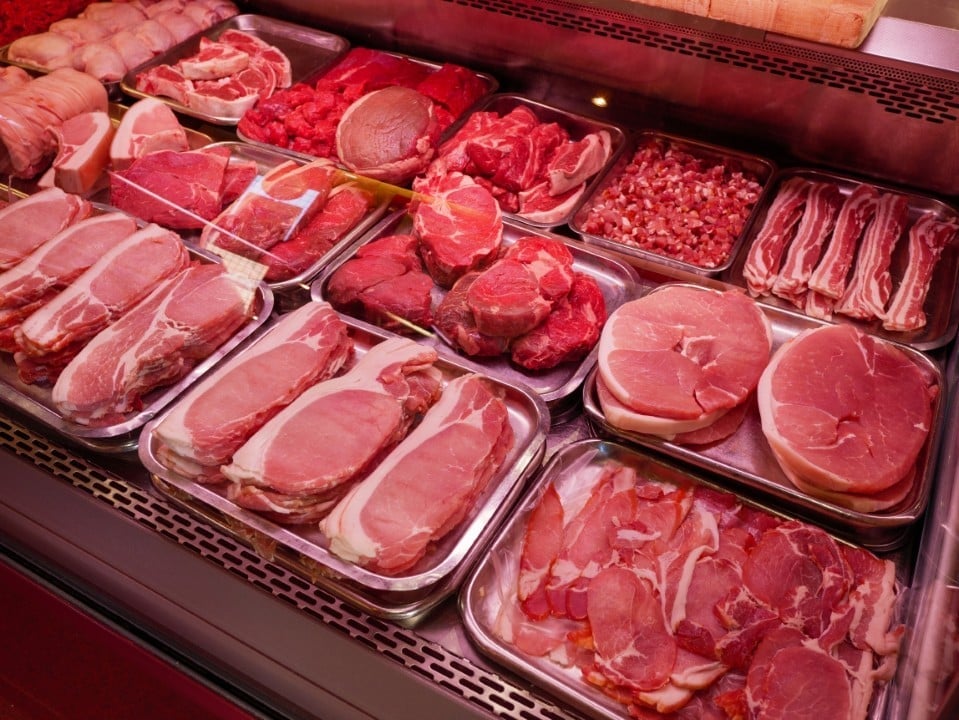
What are the impacts of the measure on food security and the market
For producers, the measure could mean a significant reduction in costs and greater autonomy. Many small and medium-sized farmers face difficulties accessing supervised processing facilities, which are limited and often expensive, making it difficult to directly sell their products. Exemption from federal inspection would allow the local sale of meat, encouraging regional economies and creating new business opportunities for family farmers.
However, the relaxation of USDA requirements raises important concerns about food safety and public health. The Department is the main body responsible for monitoring meat production in the country, seeking to avoid contamination by bacteria such as Salmonella and E. coli, which can cause serious illnesses. Critics argue that the absence of federal oversight could expose consumers to health risks if processing standards are not strictly maintained.
In addition to health issues, the proposal could also impact the dynamics of the meat market. While small producers could benefit, large slaughterhouses and processors, which already invest heavily in complying with USDA regulations, could see the competitive landscape changed. There is also debate about how states and municipalities would react to a possible change in federal legislation, as many of them have their own complementary standards and could be pressured to develop new control systems.





