
Apple prepares launch of iPhone 18 Pro with transparent design and 5000 mAh battery

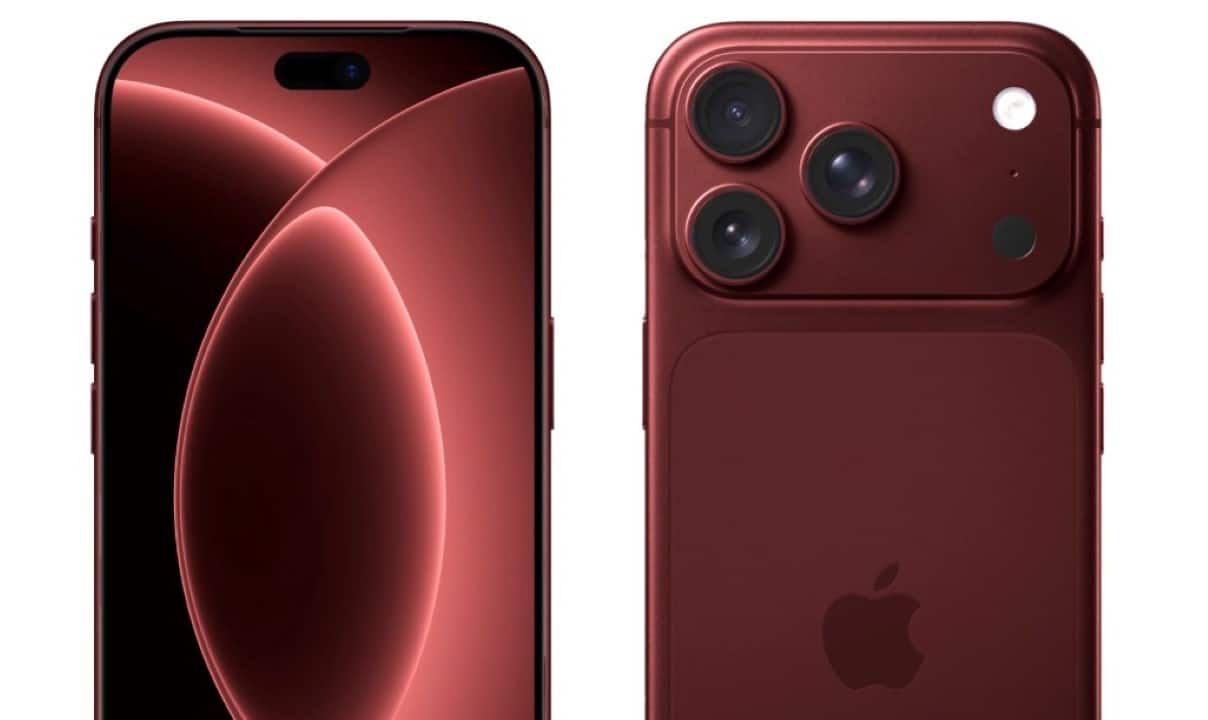
The global mobile device market awaits with great anticipation the arrival of the iPhone 18 Pro, scheduled by Apple to debut in September 2026. This new high-performance smartphone promises a significant structural revolution, highlighted by a completely translucent rear panel and a power module that surpasses the 5000 mAh mark. To make this bold aesthetic possible, the manufacturer had to completely redesign the internal layout of components such as the motherboard and cooling system, requiring the highest quality materials to guarantee protection against impacts and static electricity.
Technology sector analysts point out that these profound physical modifications are not just design choices, but essential adaptations. The integration of complex artificial intelligence algorithms, which will run natively on the device, demands local processing capacity much higher than what currently exists on the market.
To support this hardware evolution, the company’s engineering teams focused their efforts on three fundamental development pillars.
- Adoption of an unprecedented translucent tempered glass, aiming to completely renew the visual identity of the product.
- Aggressive expansion of energy autonomy, ensuring adequate support for new advanced processing demands.
- Drastic optimization of internal space through the definitive removal of physical connectors considered obsolete.
The engineering challenges behind the new transparent chassis
The implementation of a back that allows you to see the inside of the cell phone imposes unprecedented logistical and manufacturing barriers for large-scale assembly lines. Unlike traditional opaque glass or titanium covers, the translucent finish forces the brand to apply extreme aesthetic rigor to flat cables and radio frequency shields, transforming the internal parts into true design elements.
In order to ensure the longevity of the device, tempered glass suppliers are creating an exclusive chemical compound that prevents yellowing caused by time, in addition to offering superior resistance against scratches and accidental drops. Another unexpected benefit of this clear structure is the ease for support technicians, who will be able to perform quick visual inspections for internal damage, considerably speeding up maintenance processes.
Far beyond the visual appeal, the new casing works in sync with a completely redesigned heat dissipation mechanism. As the components will be exposed, the old graphite plates and copper vapor chambers will give way to metallic alloys and graphene sheets with a premium finish. This change is vital to efficiently cool the heat generated by the processor during continuous and heavy tasks.
Maximum use of the screen with the reduction of front sensors
The size of the displays will remain unchanged compared to the previous generation, remaining 6.3 inches in the standard Pro model and 6.9 inches in the Pro Max variant. However, the upper cutout that houses the selfie camera and facial recognition sensors has been drastically reduced, which significantly expands the useful viewing area for the user.
The biometrics system was strategically repositioned below the OLED panel, reducing the space occupied by the module by around 35%. Thanks to this evolution in screen technology, navigation becomes much more immersive and frees up extra space for system status icons, requiring application developers to update their interfaces to take advantage of this new aspect ratio.
Historic leap in battery capacity and the end of physical chips
The energy capacity registers the biggest quantitative leap ever seen in the history of the line, breaking the 5000 mAh barrier and being able to reach up to 5200 mAh in specific configurations. For comparison purposes, previous models such as the iPhone 15 Pro Max had just over 4400 mAh, showing that this massive increase is a direct response to the high consumption of the new communication modem and neural processing unit.
To be able to accommodate such a robust power cell without compromising the thickness of the chassis, the manufacturer took the radical decision to completely eliminate the physical tray for SIM cards in all global markets. By forcing an exclusive transition to eSIM technology, the company is able to free up precious cubic millimeters on the device’s main board.
The elimination of this physical drawer also eliminates a vulnerable point for the entry of water and dust, increasing the smartphone’s degree of durability and certification. At the same time, telecommunications operators around the world are accelerating the modernization of their digital activation infrastructures to support the enormous demand that this paradigm shift will generate.
Preliminary hardware tests indicate that using this high-density battery considerably extends usage time on a single charge. This suggests that the accelerated lifespan degradation often reported by users of previous versions under heavy usage will be significantly alleviated.
Robust memory architecture to support artificial intelligence
The heart of the device is powered by a new generation processor, manufactured using an extremely precise lithographic process, designed to deliver computing power worthy of desktop computers without sacrificing energy efficiency. This chip brings a monumental advance in random access memory, jumping to 12 GB of RAM, a non-negotiable specification to guarantee fluidity in real-time image processing and the execution of local language models.
Through a unified memory architecture, the operating system can dynamically distribute resources between the graphics card and the central unit, eliminating bottlenecks when rendering ultra-high-resolution videos or complex 3D games. Combined with new thermal management, the chip can sustain high clock frequencies for prolonged periods, avoiding forced performance reduction to protect parts against overheating.
Innovations in the photographic set with variable aperture mechanism
The camera module now incorporates a variable aperture mechanism in the main lens, a true feat of mechanical engineering that physically adjusts the amount of light that reaches the image sensor. This advanced feature gives users fine control over depth of field, dramatically increasing the quality and richness of detail in nighttime photographs or in poorly lit environments.
The larger variant of the smartphone also features independent upgrades to the periscopic telephoto lens system, expanding the optical zoom range without any loss of sharpness. The image stabilization software works in perfect harmony with the optical correction algorithms, ensuring accurate and blur-free captures, even when the user is in motion.
Satellite communication expanded beyond emergency messages
The device’s connectivity infrastructure breaks the limitations of terrestrial cellular networks by expanding the capabilities of the satellite communication module. The new hardware supports sending heavier data packets, allowing people in remote areas with no signal to make short voice calls or send compressed media, overcoming the previous restriction of only transmitting distress texts.
Market strategy and large-scale production schedule
The Asian supply chain has already begun the process of calibrating its industrial equipment to meet the stringent specifications of the new motherboard and distinctive glass panel. Mass manufacturing of primary components is scheduled for the second quarter, ensuring robust inventory volume for simultaneous launch in key global markets.
The launch of this model has the clear objective of consolidating the company’s hegemony in the ultra-premium device segment, attracting an audience looking for hardware capable of supporting the software innovations designed for the next decade. Consequently, the final price on the shelves should reflect the high costs linked to research, development and new materials required by the complex engineering of the transparent chassis.





