
Apple reveals new smartphone with transparent back and giant battery
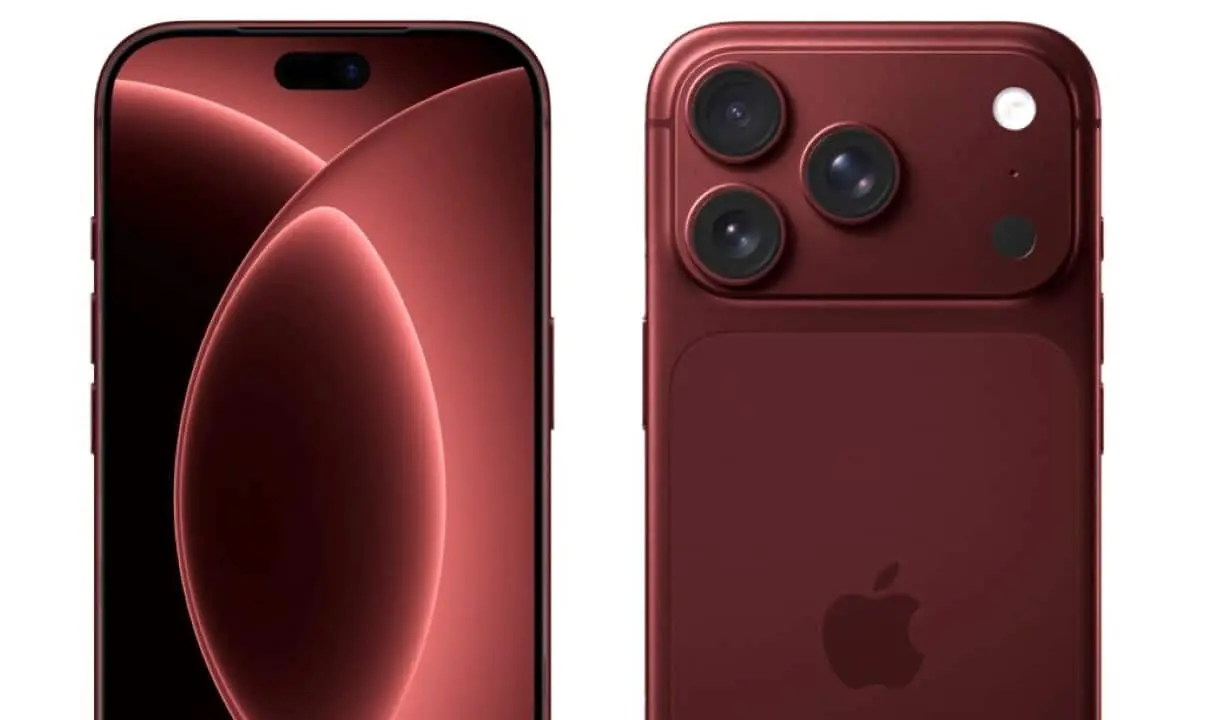
Technology giant Apple is in final preparations to introduce a first-of-its-kind mobile device to the global market, characterized by a completely transparent back panel. This new equipment promises to redefine the brand’s design standards, combining translucent aesthetics with a premium titanium finish. The launch will take place simultaneously in several countries, a strategy that requires impeccable logistics. To prevent information leaks, the company implemented a rigorous security scheme throughout its production chain.
Premium materials transform the look of Apple’s new device
The great aesthetic difference of this model lies in the use of sapphire glass on the back, allowing consumers to observe the device’s internal components. To ensure the durability of this translucent structure, engineers opted for a robust frame designed to withstand everyday impacts. Furthermore, the glass surface has been specially treated with an advanced oleophobic coating. This technology prevents the accumulation of finger marks, keeping transparency always crystal clear.
The smartphone’s side structure is forged from aerospace-grade titanium, the same material used in space missions, which provides extreme lightness without sacrificing strength. The metallic coloring process is done through physical vapor deposition, ensuring that the paint does not peel over time. This engineering choice replaces traditional stainless steel, offering a more comfortable grip for the user. The transition to titanium represents a significant leap in the build quality of mobile devices.
The entire assembly and distribution operation is being treated with absolute confidentiality by partner factories in Asia. Batches of the product travel in unmarked containers to international distribution centers, misleading onlookers and market analysts. Employees involved in the production line signed strict confidentiality agreements, under penalty of millionaire fines in the event of a leak. Security cameras and metal detectors were deployed throughout the facility to prevent any images of the chassis from reaching the internet prematurely.
Energy capacity and cooling receive unprecedented updates
In terms of autonomy, the equipment surprises by housing a 5200 mAh energy cell, the largest ever installed in a company phone, surpassing the average of 4000 mAh seen in previous generations. This feat was achieved thanks to stacked battery technology, which optimizes internal chassis space without increasing the thickness of the product. Traditional physical buttons have also been removed, giving way to solid-state sensors that respond to touch with haptic feedback. This change frees up even more precious millimeters to accommodate the new power source.
More on this story: Huawei launches new devices and smartwatches with battery life of up to 21 days
To deal with the heat generated by high-performance components, the manufacturer developed a vapor chamber-based cooling system. This structure dissipates temperature evenly throughout the housing, preventing the processor from reducing its speed during heavy tasks. The mechanism is essential for maintaining fluidity in graphics-intensive games or during prolonged recording of very high-resolution videos. Internal tests indicate that the device remains comfortable to the touch even after hours of continuous use.
Next-generation processor boosts artificial intelligence capabilities
The brain behind this entire operation is a processor manufactured using innovative two-nanometer lithography, a milestone in the semiconductor industry. This ultra-fast chip works in conjunction with 12 gigabytes of RAM, a configuration that has become the new standard for the brand’s premium line. The component architecture was specifically designed to accelerate machine learning algorithms directly on the device. With this, the cell phone can perform complex tasks without depending on a constant connection to cloud servers.
The perfect integration between the operating system and the new hardware allows the user to enjoy exclusive functionalities, focused on productivity and entertainment. The extra computing power unlocks tools that were previously restricted to desktop computers, turning your phone into a true portable workstation. Among the main innovations enabled by this technological set, the following stand out:
- Simultaneous conversation translation and improved voice recognition without noticeable delays.
- Editing videos in very high resolution directly in the gallery, with instant rendering.
- Support ray-traced graphics, delivering realistic lighting in complex games.
- Smart keyboard that predicts the context of sentences and automatically suggests complete answers.
The security of personal data has also received special attention, with the implementation of protocols inspired by quantum cryptography. An isolated enclave within the processor ensures that passwords, banking details and biometric information are inaccessible to even advanced malicious applications. This digital safe operates independently from the main system, blocking physical or remote intrusion attempts. The measure aims to reassure corporate and government consumers who demand extreme privacy in their communications.
Screen gains larger proportions and hides front sensors
The front panel has undergone a drastic redesign, jumping from the traditional 6.3 inches to a generous 6.9 inches of usable area. The OLED technology used in the display offers a higher level of brightness, making it easier to read in direct sunlight, as well as guaranteeing extremely fluid refresh rates. To accommodate this giant screen without making the cell phone uncomfortable, engineers reduced the edges to an almost invisible thickness. The result is an immersive visual experience, where the content appears to float in the user’s hands.
Learn more: Poco X8 5G has leaked specifications with giant battery and robust protection
The biggest visual revolution on the front, however, is the complete disappearance of cutouts or holes on the screen. The sensors responsible for facial recognition and the selfie camera were located below the bright display, using a matrix of translucent pixels. When the camera is not in use, the area displays images normally, creating a continuous, uninterrupted surface. This engineering feat solves one of the biggest complaints consumers have regarding the design of past generations.
Improved lenses and satellite connection complete the package
The rear photographic module is led by a 48 megapixel main sensor, optimized to capture maximum light in dark environments. The big news is the inclusion of a periscopic lens system, which allows long-range optical zoom without distorting the image. Image processing algorithms act in fractions of a second to correct colors, reduce noise and stabilize videos recorded in motion. Amateur and professional photographers will find this set a versatile tool for any scenario.
With adventurers and emergency situations in mind, the device is equipped with antennas capable of connecting directly to low-orbit satellite networks. This means that it is possible to send distress messages or share location even in remote areas, without coverage from traditional operators. The device also abandons the tray for physical chips once and for all, adopting exclusively eSIM technology in all markets. This transition makes it easier to switch data plans during international travel and increases resistance against water and dust.
On the same topic: Apple Event 2026: iPhone 18 Pro and iPhone Fold will be released on September 9
Assembly lines are already operating at maximum capacity to ensure stocks meet global demand on launch day. High-precision robotic arms are responsible for fitting the transparent glass panel with millimeter accuracy, avoiding any sealing failure. Before being packaged, the devices pass through automated conveyors where artificial intelligence inspects microscopic scratches and tests the integrity of the components. All this logistical and industrial effort culminates in the delivery of one of the most complex products ever manufactured by the company.
More news in Latest News (EN)
See more → German racer Michael Schumacher remains secluded 12 years laterMenendez brothers granted earlier 2027 parole hearing, reigniting debate over high-profile caseAlaskan cruise dreams shattered as technical woes force abrupt cancellation for hundreds of passengersIndiana farm manager affirms dedication to controversial Charlie Kirk corn maze despite widespread public backlashBeijing injects $53.6 billion into key financial institutions to bolster economic stabilityBureau warns record El Niño will intensify drought, driving up Australian food pricesUK poised to implement trade restrictions on Israeli West Bank settlements amid rising international concern
 Apple prepares iOS 27 with contextual Siri and visual search
 Chinese leaks reveal Xiaomi 18 Fold panel reaches 4,000 nitsXiaomi 18 Fold display reaches 4,000 nits peak brightnessApple redesigns iOS 27 with upgraded Siri and camera search
 Final Fantasy VII trilogy bundle hits Japan for 500 dollars
More news on Mix Vale
- 1Austin Reaves enjoys Labor Day weekend after pivotal Lakers contract, poised for leadership
- 2Quieter Russian nuclear submarines heighten NATO’s Arctic defense concerns, alliance boosts northern presence
- 3NTSB confirms Amazon cargo jet crew survived Miami crash, five dead and five injured in runway overrun incident
- 4U.S. diplomatic efforts confront persistent China-Peru economic ties amid rising regional tensions
- 5Capcom classics and Mycopunk arrive on PlayStation Plus tiers
- 6Dino Crisis 2 leads fresh wave of PlayStation Plus games
- 7Trilogy pack for Final Fantasy VII arrives in Japan for $500
- 8Ten classic PlayStation 2 titles that deserve full remakes
- 9Classic PlayStation 2 games demand complete modern revivals
- 10Classic RPG Astonishia Story arrives on Switch platforms in 2027