
Arrival of the iPhone 17 Air transforms the market with a 5.5mm chassis and extreme security
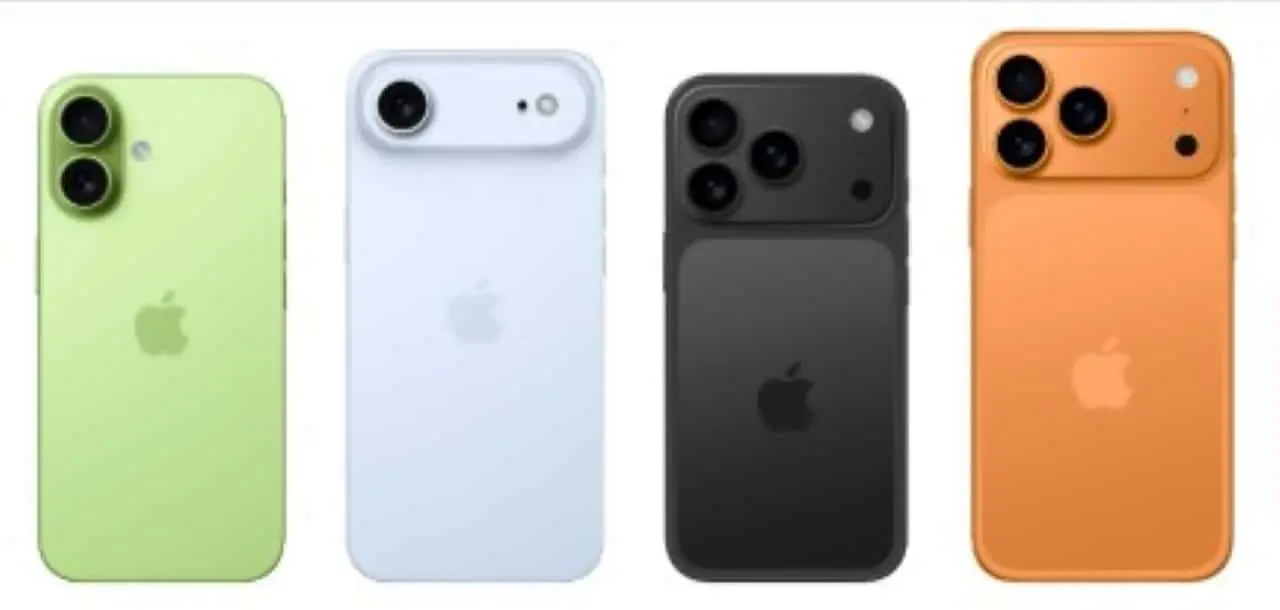
The technology giant Apple is fine-tuning the last details to introduce the long-awaited iPhone 17 Air, a device that promises to change the direction of mobile telephony. Recent reports released by software experts indicate that the model breaks paradigms by presenting an incredibly reduced thickness. This aesthetic innovation is already arousing enormous curiosity among both investors in the financial sector and technology enthusiasts around the world.
The telecommunications segment is going through a moment of notable transition, driven by the resurgence of foldable cell phones. Now, manufacturers’ absolute priority is focused on improving consumers’ visual experience and daily usability. The central premise of this launch is to deliver a seamless tactile bridge between physical hardware and digital media consumption, using state-of-the-art display panels.
Read also: Apple changes prices of iPhone 17 Pro and Pro Max to stop rivals in China
Complex engineering work enables a structure measuring just 5.5 millimeters
Reaching the impressive 5.5 millimeter mark required the development team to completely redesign the layout of the internal parts. To ensure rigidity, engineers opted for unprecedented metal alloys, combining heat-treated aerospace aluminum with high-strength titanium compounds. This choice of materials shields the chassis against accidental twisting, preventing the company from repeating past structural failures, such as the famous case of bending seen in the iPhone 6 generation, ensuring superior durability.
Temperature control required the creation of a thermal dissipation mechanism unprecedented in the industry. The solution involved the microscopic application of copper filaments combined with active liquid cooling, dispensing with the thick layers of insulation used in traditional cell phones. Furthermore, the physical volume of the battery has been reduced, compensated by the adoption of advanced silicon anode chemistry, which maintains the energy density necessary for continuous operation.
The front display has reached a thickness comparable to that of a sheet of paper, defying the laws of physics applied to consumer technology. During the design of this internal architecture, researchers conducted exhaustive tests in laboratories spread across several continents. The final product sets a new technical limit for what is feasible to produce on a large scale within electronics factories.
Full coverage: Latest News (EN)
Fluid interface system transforms the way you interact with the screen
The concept of liquid glass is redefining the way the operating system displays its graphical information. The interface now reacts organically to the user’s touches, making virtual elements follow physical gestures with absolute precision. Complex rendering algorithms come into play to generate a convincing illusion of depth and movement. As a result, simply opening everyday applications takes on the form of a true sensory experience.
The harmonious union between physical components and internal programs results in a completely renewed visual language. The software can adapt its display characteristics according to the preferences and needs of whoever operates it, delivering a highly customizable digital environment. For this fluidity to be felt in the hands, the tactile response mechanism had to be redone from scratch, using an internal motor capable of emitting subtle vibrations that simulate the texture and tension of real materials.
Understand the case: Apple launches iPhone 17 Air with 5.5 mm and system that makes stolen parts unusable
This new aesthetic approach drastically changes the way we consume text and media on screen. Tools and blocks of information stop being mere flat windows and behave like virtual objects with weight and inertia. Unlike the rigid format of old notifications, the new environment relies on animated and dynamic transitions that make navigation much more logical and intuitive for anyone.
Strict security protocols prevent the reuse of stolen parts
The significant increase in electronic theft rates in large urban centers led to the implementation of a relentless protection barrier. This new tool makes the operating system completely inoperative if the device falls into the wrong hands. The smartphone links its physical parts to the original owner’s cryptographic keys, generating an irreversible electronic lock that aims to destroy the underground market for dismantling and reselling components.
Advanced defenses act directly in the depths of the hardware, taking immediate actions in risk situations:
Learn more: Xiaomi 18 Fold arrives in September 2026 with a better battery than the Galaxy Z Fold 8
- Continuous route monitoring and detection of abnormal movements trigger an immediate physical lock on the power module.
- The camera lens arrays and front display panel are permanently disabled in a matter of seconds.
- Any possibility of extracting personal data is annihilated, frustrating invasion attempts by criminals.
Bodies linked to public security received the news with great optimism, seeing it as an ally to reduce violent approaches on the streets. The introduction of this technology creates an unprecedented level of demand for the entire telecommunications sector, forcing rival brands to adopt similar positions due to popular pressure. The level of rigor of these blocks can be adjusted by the cell phone owner directly in the biometrics menu right after purchase.
Intelligent processing optimizes energy consumption and enhances photographs
Processing power based on artificial intelligence takes a considerable leap in this generation. The phone’s brain acts as an invisible conductor, analyzing the user’s routine to save battery power efficiently. It anticipates the opening of frequent programs and manages memory, releasing maximum performance only in tasks that really require brute force, which helps to extend the useful life of the circuits.
More on this story: Apple launches iPhone 17 Air with a thickness of 5.5 millimeters and an unprecedented anti-theft system
The immersion of algorithms in everyday life creates an environment that adapts to each person’s individual behavior. The system predicts routine actions and suggests useful shortcuts directly on the lock screen, saving time for those who use it. In the field of image capture, computational photography reaches an unprecedented level of excellence, treating light and scenes based on a gigantic database of visual references.
The physical constraints imposed by such small lenses have been overcome by advanced mathematics, resulting in night photos with stunning clarity. All of this image processing takes place within the cell phone’s chip itself, without the need to send files to cloud servers. This decentralized approach ensures that the galleries’ privacy remains fully protected.
High demand in stores signals a strong shift in electronics design
Retailers and telephone operators are already reporting a volume of advance reservations that exceeds the most optimistic expectations. This scenario reflects the public’s anxiety for real innovations in a market that has been stagnant in recent years. The union between a futuristic look and robust protection mechanisms attracts thousands of interested parties, driving a new boom in sales on a global scale.
Competing companies are already mobilizing their research departments to try to keep up with this new thickness trend. The race to manufacture ever thinner equipment, without sacrificing speed, will dictate the direction of the technology industry in the next decade. More than just an off-the-shelf item, this release acts as the starting point for a completely new era in mobile device design.
More news in Latest News (EN)
See more → Sony clarifies launch timing and hardware price plans for PS6
 Sony PlayStation 6 cost nears $950 as memory prices climbAfD state election triumph prompts urgent review of Germany’s democratic foundationsAaron Judge returns to Yankees lineup, igniting playoff push after three-month rib injury absenceHigh-altitude tragedy: Climber perishes after fall on Aspen-area 14er summitEgyptian TV personality and 11 co-defendants condemned to death for large-scale synthetic drug traffickingPlayStation 6 component bills surge to $960 amid memory crunch
 Rockstar North adds canine waste throwing to GTA 6 worldRockstar North details dog mechanics and street combat in GTA 6
 Corporate ChatGPT users gain custom text style replicationWorkplace ChatGPT starts copying individual writing styles
More news on Mix Vale
- 1Trump demands Bombardier relocate production to US for market access, escalating trade tensions
- 2Veteran left-hander Thomas Pannone hurls rare perfect game in Triple-A for Nashville Sounds
- 3Power outage forces FSU and SMU to play college football without modern communication tools
- 4United Kingdom to impose trade restrictions on Israeli settlements, sparking strong U.S. and Israeli opposition
- 5Top Ukrainian prosecutor resigns following probe into vast illegal call center network scheme
- 6Calls intensify for Australia to assert foreign policy independence over extensive US military presence
- 7Saxony-Anhalt results underscore growing momentum for European far-right parties ahead of key votes
- 8Julia Louis-Dreyfus reveals intense creative clashes shaped iconic sitcom ‘Seinfeld’s’ groundbreaking humor
- 9U.S. forces dismantle sophisticated floating drug refueling station tied to Ecuadorian narco-terror group
- 10Giants make unexpected roster move, release longest-tenured player Darius Slayton as Harbaugh era begins