
Apple’s new line of cell phones features a 200 MP lens and the long-awaited debut of a foldable model

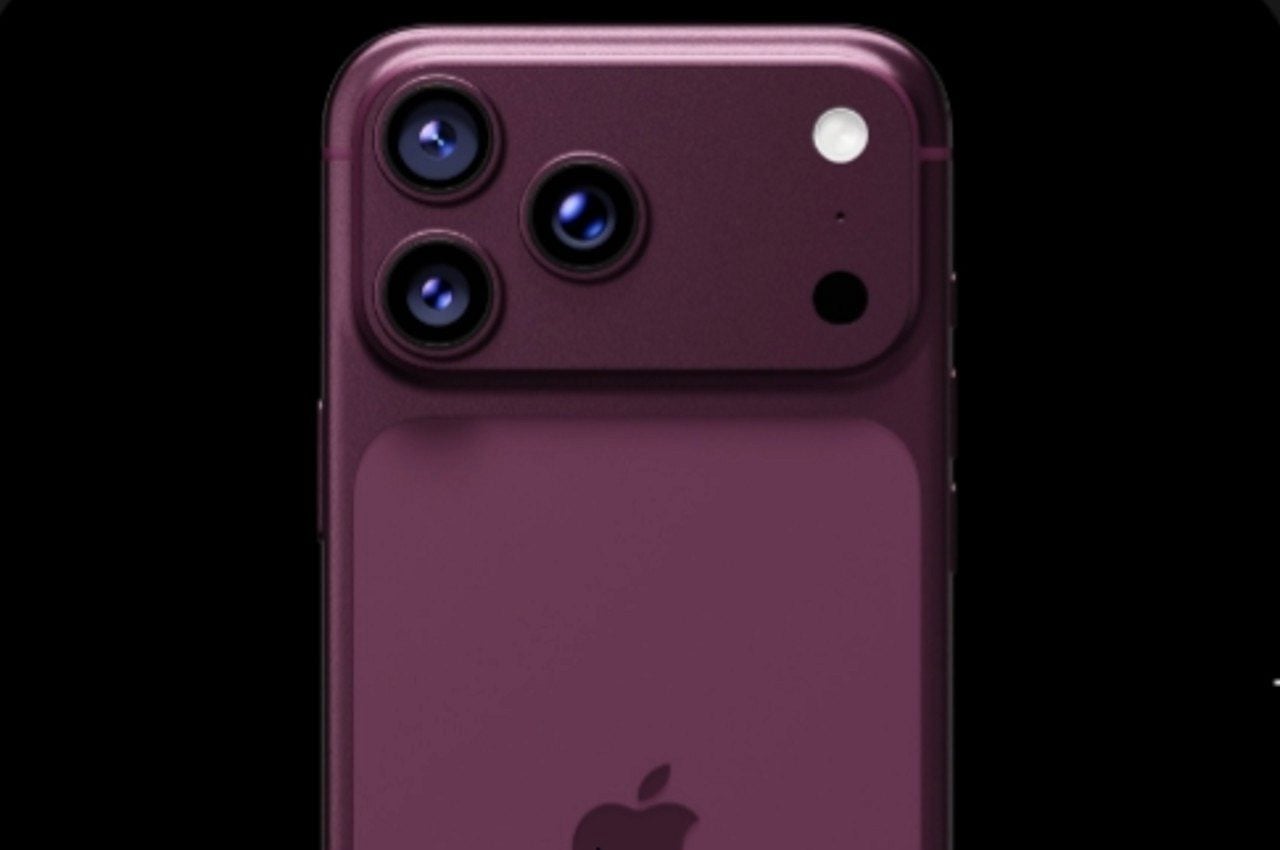
The Cupertino giant shook up the global technology market by revealing its latest family of smartphones, highlighting the powerful iPhone 18 Pro Max, which now sports a 200 megapixel periscopic sensor and an unprecedented lens opening mechanism. The event also served as the stage for a historic milestone for the company: the introduction of the iPhone Fold, the brand’s first flexible screen cell phone, which puts the company in direct competition for a highly profitable niche. Scheduled to hit shelves in September 2026, the new devices will start at US$899 for the entry-level version, reaching US$1,199 for the most robust variant.
Advances in cameras bring new cell phones closer to professional equipment
The structural changes applied to the optical assembly of the iPhone 18 Pro Max elevate image capture to a level similar to that of dedicated cameras. The main component now measures 1/1.12 inches, consolidating itself as the largest light capture hardware ever integrated into a mobile device from the manufacturer, which guarantees massive absorption of photons. In practice, this results in a drastic reduction in visual noise in night photographs or in poorly lit scenarios, easily surpassing the performance of previous generations and delivering sharpness even in the most adverse situations.
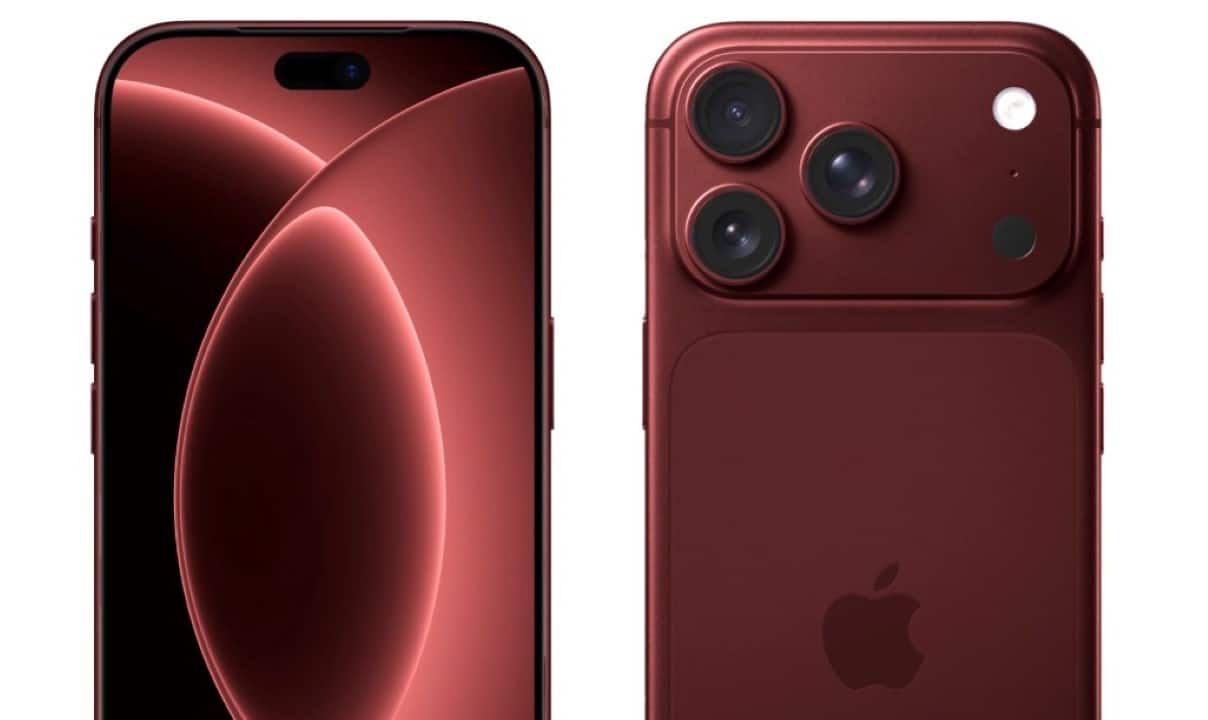
The big difference of this generation lies in the variable aperture mechanism, a technology that makes it possible to physically change the diaphragm even before recording the photo, something highly coveted by those who work in audiovisual. This functionality allows real control over depth of field, generating a genuinely optical background blur, abandoning the dependence on software tricks that often fail in cropping. To complete the photographic arsenal, the 200 MP periscopic lens guarantees extremely high-precision zoom, preserving every detail without any image degradation.
The traditional iPhone 18 Pro model relies on a rear trio with slightly different, but equally powerful, configurations. The device is equipped with a 48-megapixel main camera, accompanied by an ultra-wide-angle camera with the same resolution and a 64-megapixel periscopic sensor. Both versions aimed at professionals are capable of recording videos in impressive 8K at 60 frames per second, relying on state-of-the-art algorithms that adjust exposure and white balance continuously and automatically during recording.
Superior power performance driven by two-nanometer chips
The heart of the new devices is the A20 Pro processor, built on a two-nanometer architecture that redefines the standards of efficiency and speed in the brand’s ecosystem. This advanced silicon works in perfect harmony with high-density power components, ensuring up to 26 hours of uninterrupted use away from sockets. While the iPhone 18 Pro Max hides a robust 5,200 mAh cell, the conventional Pro version houses 4,300 mAh, both of which have an extreme economy mode capable of extending the phone’s lifespan for up to 72 hours by turning off superfluous resources and keeping only vital connections.
The visual experience is handled by LTPO Super Retina XDR OLED panels, manufactured with M16 technology supplied by South Korean Samsung. In terms of dimensions, the iPhone 18 Pro Max boasts a generous 6.9 inches, while the Pro model offers 6.3 inches of usable area. Fluidity is guaranteed by the 120 Hz ProMotion system, which intelligently reduces the refresh rate when reading static texts to save load. Additionally, the design team managed to shrink the area of the Dynamic Island, returning valuable space at the top of the display for displaying system alerts and icons.
- RAM memory fixed at 12 GB, ensuring fluid transitions between dozens of applications open simultaneously.
- Expanded internal storage capacity, reaching 2 TB in the Pro Max variant.
- Implementation of the C2 modem, created by the manufacturer itself to extract maximum stability from operator networks.
- Built-in support for the latest wireless connectivity standards, including Wi-Fi 7 and Bluetooth 6.
- Improvement of the satellite communication network, allowing the exchange of text messages in regions without cellular signal.
The brand’s long-awaited foldable cell phone arrives to intensify the competition
After years of speculation and leaked patents, the iPhone Fold finally materializes Apple’s foray into the flexible display segment, a territory until then dominated by Asian rivals. The chosen format follows the style of a book, offering a 5.5-inch external screen perfect for quick everyday interactions. When unfolded, the equipment reveals an internal 7.8-inch OLED panel, converting the smartphone into a true compact tablet, ideal for media consumption, immersive reading and productivity in complex spreadsheets.
One of the biggest assets of this project is the hinge mechanism, exhaustively tested to almost eliminate the central crease that usually bothers users of competing brands. To optimize the design, the Touch ID biometric reader was relocated to the side power button, allowing instant access even when the device is closed. Under the hood, the foldable inherits the power of the premium line, bringing the A20 Pro chip, 12 GB of RAM and options for up to 2 TB of space, as well as a dual set of cameras led by a 200 megapixel sensor. The stipulated price of US$2,000 places it on a luxury shelf, targeting enthusiasts willing to pay a lot for innovation.
New operating system focuses on local artificial intelligence tools
The entire new family of devices will come out of the box equipped with iOS 27, a platform whose central pillar is the deep integration of generative artificial intelligence. The virtual assistant Siri underwent a complete restructuring of its code, becoming capable of interpreting highly complex voice orders and remembering the context of long conversations. More than that, the software can now communicate with different installed applications, crossing information to schedule appointments or perform tasks autonomously and accurately.
The native photo application has also been boosted with intelligent automation, now suggesting ideal framing and offering a magic eraser that deletes intruders from the scene, recreating the background pixels perfectly. When typing, the keyboard learns the user’s slang and rhythm, anticipating entire responses based on chat history. The big difference with this approach is the absolute focus on privacy: all neural processing takes place physically inside the A20 Pro chip, without personal data needing to be sent to external servers in the cloud.
Price and color strategy seeks to reach different consumer profiles
The entry-level model, simply called the iPhone 18, hits stores costing US$899 and features the ProMotion screen as a big new feature, democratizing the fluid navigation that was previously exclusive to more expensive devices. Its chassis and processing were modernized precisely to support the demands of iOS 27 and its neural functions. Interestingly, the classic black color was retired, giving way to tones such as dark cherry, light blue, dark gray and silver. The iPhone 18 Pro starts at US$1,099, a direct reflection of the increase in the price of cutting-edge parts, such as high-capacity image sensors. This clear division of the catalog shows the company’s intention to embrace everything from the common user to the demanding content creator, without forgetting the pioneers who seek the uniqueness of the folding format.





