

Stroke is the second biggest cause of mortality on the planet, according to data from the World Health Organization, leaving a trail of severe disability. In Brazil alone, records indicate the occurrence of 400,000 episodes annually, generating a devastating impact on the routine of patients and their families. Popularly called a stroke, this clinical condition begins when the brain stops receiving blood flow, either due to arterial blockage, characterizing the ischemic version, or due to a leaking vessel, known as hemorrhagic. Acting with extreme speed when noticing the first physical changes is the only way to guarantee survival and avoid irreversible neurological damage.
The entire brain mass needs an uninterrupted supply of oxygen and nutrients to function properly. When a fatty plaque or a clot interrupts this access route, or a vessel abruptly ruptures, brain tissue goes into distress and its cells begin to die within a window of just a few minutes. The ischemic format accounts for a significant 85% of medical diagnoses, directly caused by these circulatory blockages. On the other hand, the hemorrhagic variant, although it has a lower incidence, is usually linked to high blood pressure spikes or burst aneurysms, causing internal bleeding. Without immediate medical intervention, both conditions result in severe paralysis, loss of ability to communicate, and death.
Pre-existing conditions such as diabetes, high cholesterol levels, physical inactivity, smoking and obesity multiply the chances of an individual suffering a neurological breakdown. Genetic inheritance and the natural aging of the body also weigh in on this clinical balance. Recent statistics reveal an alarming fact: a quarter of patients admitted to emergency rooms with a stroke are under 65 years old, debunking the myth that the disease only affects the elderly. International research confirms that simply changing to a routine with a balanced diet and frequent physical activity has the power to cut the risk of incidence in half.
Main physical symptoms that indicate the occurrence of a stroke
Quickly realizing that the body is going into neurological collapse is the attitude that defines the success of the rescue. The most common signs that require immediate help include:
- Sudden loss of strength or tingling sensation concentrated in only one half of the body, affecting legs, arms or face.
- Sudden mental confusion, accompanied by an inability to articulate words or understand what other people are saying.
- Sudden changes in visual ability, such as seeing double or losing vision in one or both eyes unexpectedly.
- Lack of motor coordination, intense vertigo and extreme difficulty in standing or taking steps.
- Headache of unbearable intensity that appears out of nowhere, a very characteristic symptom of cerebral hemorrhage.
The process of cellular destruction within the brain during the crisis
Once blood circulation is cut off, nervous tissue enters a critical state of ischemia, resulting in accelerated death of neurons. In ischemic episodes, the barrier formed by the clot asphyxiates the affected region due to lack of oxygenation. In hemorrhagic scenarios, the blood spilled by the ruptured vessel floods the braincase, increasing internal pressure and crushing healthy brain structures. The patient’s level of future impairment is directly linked to the anatomical region affected and the exact time of oxygen deprivation. Damage to areas that control language, memory or locomotion often leaves lifelong scars.
The clock is your biggest enemy during a neurological crisis. Therapies with thrombolytic medications, capable of breaking up the clot, only deliver positive results if administered within a maximum window of four and a half hours after the first symptom of the ischemic condition. In intracranial bleeding, the medical team may need to surgically open the skull to stop the bleeding. Admission to hospital wards exclusively for strokes, called stroke units, drastically increases the patient’s chances of walking, reducing the mortality rate by 20% when compared to treatment in regular wards.
Dangerous habits that destroy arteries and how to reverse this situation
The vast majority of neurological emergencies could be prevented with basic adjustments in daily behavior and treatment of chronic illnesses. High blood pressure leads the ranking of threats, being present in 70% of confirmed diagnoses. Keeping hypertension under control with appropriate medications and cutting out excess sodium in meals reduces the chances of a blood vessel bursting. Diabetes acts silently, corroding arterial walls over the years, making the scenario even more serious if the patient ignores the disease. Taking frequent blood glucose tests and adopting a nutritious menu are non-negotiable steps towards vascular protection.
Cigarette addiction acts as an accelerator of vascular tragedies. Snorting nicotine doubles the risk of a stroke, as the inhaled toxins damage the lining of the arteries and facilitate the clumping of platelets. Quitting smoking can restore the body to a level of protection similar to that of a non-smoker in a matter of a few years. At the same time, the abuse of alcoholic beverages and the consumption of narcotics, such as cocaine, cause violent pressure spikes that often result in fatal hemorrhages. The medical community recommends that alcohol intake be restricted to one dose per day for women and two for men.
Daily attitudes proven to protect cardiovascular health
Transforming your routine with smart choices remains the strongest shield against cerebrovascular diseases. Among the tactics most recommended by experts are:
- Consume colorful dishes, full of vegetables, fresh fruits, whole grains and beneficial fats, present in extra virgin olive oil and fish.
- Dedicate at least 150 minutes a week to moving your body with moderate intensity, whether swimming or vigorous walking.
- Closely monitor, through laboratory tests, blood sugar levels, cholesterol and blood pressure measurements.
- Avoid extremely stressful routines, which raise blood pressure, seeking refuge in relaxation practices such as yoga and meditation.
- Schedule preventive medical appointments every year, with increased attention from the fourth decade of life onwards, to stop any anomalies at the beginning.
The step-by-step guide to saving a victim during the first few minutes
The agility of those close to the victim determines whether they will survive or not. In the face of a sudden illness, the application of the SAMU method (Smile, Hug, Message, Urgency) — a national adaptation of the FAST protocol — facilitates lay diagnosis: ask the person to smile and notice if the mouth twists; ask them to raise their arms and see if one of them falls; ask them to repeat a sentence and observe whether their voice is slurred. If any of these signs are confirmed, the only correct action is to call the Mobile Emergency Care Service by calling 192. Every second wasted destroys millions of neurons and worsens future physical limitations.
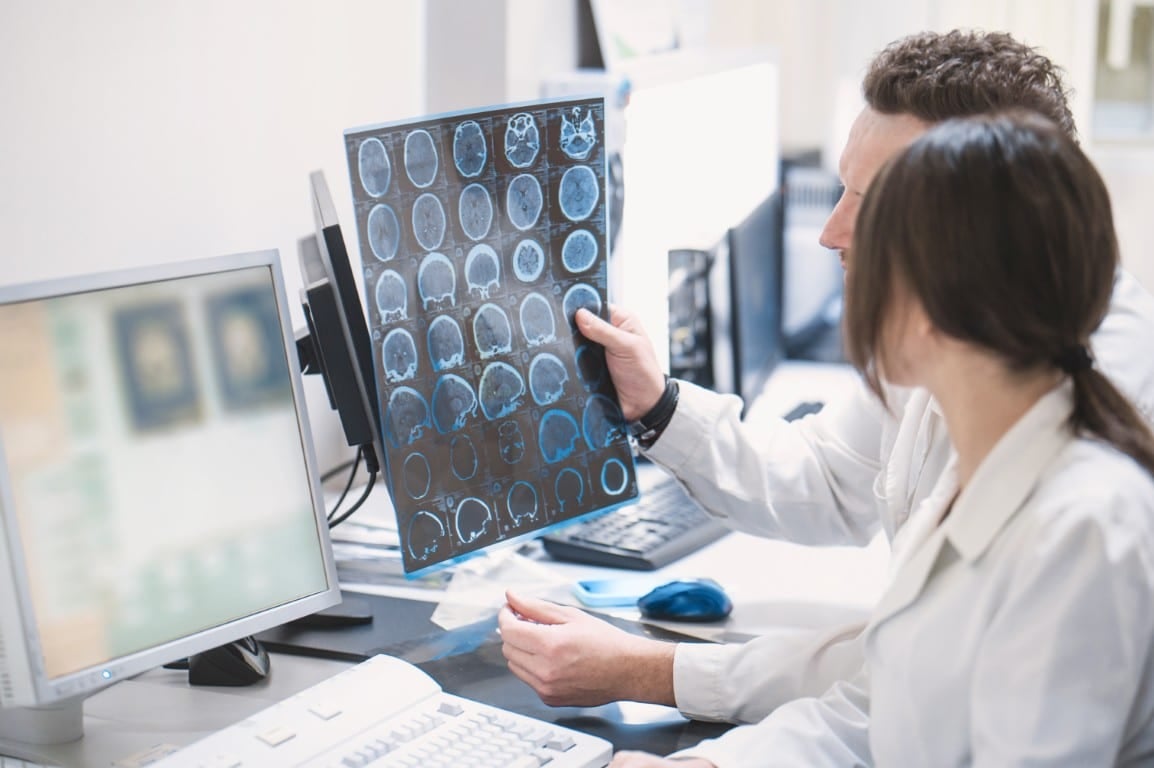
Upon admission to the emergency room, the patient immediately undergoes an MRI or CT scan so that the team can discover the exact nature of the injury. If the blockage is ischemic, doctors inject substances to dissolve the thrombus or perform a thrombectomy, inserting a catheter to mechanically pull out the clot and free the vein. In bleeding events, the focus becomes the drastic reduction in blood pressure and, depending on the severity, surgical intervention to repair the ruptured artery. Once the critical phase has been overcome, the individual begins a long journey of rehabilitation with occupational therapists, speech therapists and physiotherapists to relearn basic movements.
The financial and social burden of the disease on the Brazilian health system
The consequences of a brain collapse go beyond the family environment and hit the country’s economy hard. Brazilian public coffers disburse more than R$2 billion annually to pay for hospitalizations, surgeries and rehabilitation therapies in the Unified Health System (SUS) and the supplementary network. The drama is worsened by the realization that half of the survivors acquire motor or mental disabilities that prevent them from returning to the job market. To try to curb this statistic, World Day to Combat Stroke, celebrated on October 29, mobilizes massive campaigns to teach the population how to identify risks in time.
The country’s social abyss directly reflects on patients’ survival rates. Residents of the most vulnerable areas, especially in the Northeast and North regions, suffer from a shortage of hospitals with state-of-the-art neurological wards, which drastically increases the number of deaths. Injecting resources into building specialized centers and training first responders is the only way to balance this scenario. As an immediate alternative, telemedicine technology has




