Archived data establishes Super Metroid as the best game on the Super Nintendo

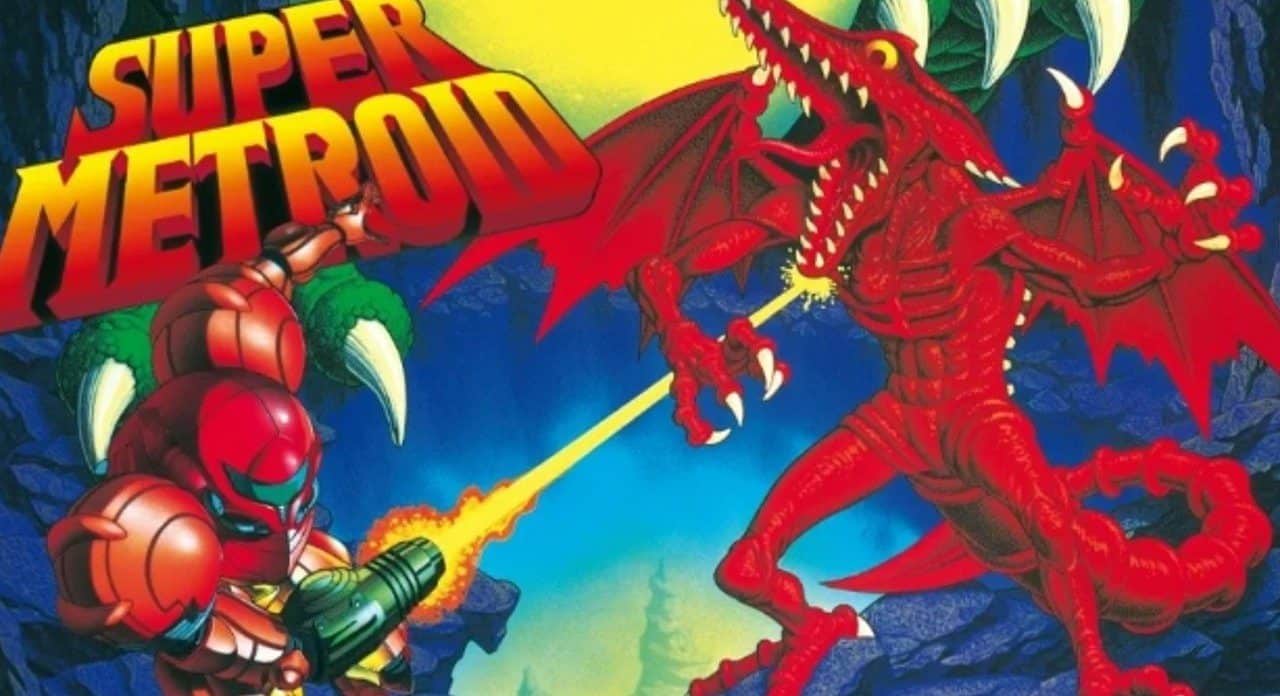
The 16-bit console from Japanese manufacturer Nintendo, originally launched in the early nineties and brought to the Brazilian market in 1993 through the historic commercial partnership Playtronic, has a legion of fervent fans to this day. During that period, the industry was experiencing an intense war between consoles and Sega’s Mega Drive, which forced companies to deliver increasingly refined experiences. When enthusiasts debate what the definitive title for this platformer would be, thoughts almost instantly fly to the verdant plains of the kingdom of Hyrule or the colorful platforms inhabited by mustachioed plumbers. These brands not only shaped the digital entertainment industry, but also monopolized conversations in the cartridge rental stores and schoolyards of that era. However, a deep dive into the archives of analyzes published by printed magazines and specialized portals reveals a scenario quite different from that imagined by common sense. The space adventure starring bounty hunter Samus Aran was, in fact, the most acclaimed work by critics during that golden period.
The triumph of science fiction over classic fantasy
Contrary to what the affective memory of many players might suggest, the renowned journeys of The Legend of Zelda: A Link to the Past and the revolutionary Super Mario World did not reach the absolute top of the critical podium. The statistical survey was preserved by the now-defunct GameRankings portal, a pioneering internet platform that aggregated ratings from publications from around the world, such as the famous Nintendo Power and Electronic Gaming Monthly. Subsequently, this entire rich database ended up being absorbed by the current Metacritic, keeping the memory of the original reviews alive. According to these detailed historical records, the gold medal of the 16-bit generation unquestionably belongs to Super Metroid, contradicting the bets of those who focus only on commercial sales figures.

Arriving on global shelves in 1994, the project conceived internally by the Nintendo team in partnership with the Intelligent Systems studio reached an almost unattainable level of technical and creative excellence. The space exploration title recorded an impressive average of 95.17% approval among experts at the time, consolidating a raw score of 96.55% in some specific metrics. This overwhelming performance left behind absolute industry giants. To give you an idea of the achievement, Samus’s adventure surpassed the cult RPG Chrono Trigger, which secured the silver medal with 94.88% even though it was created by the so-called dream team, which brought together the greatest talents in Japan. The elite podium is closed by the innovative sequence Super Mario World 2: Yoshi’s Island, which achieved 93.41% with its graphics that simulated crayon drawings.
The definitive list of the 16-bit console’s greatest hits
Observing the system’s general classification table shows how fierce the competition for specialized media preference was in those years of technological effervescence. The solitary mission on the inhospitable planet Zebes managed to displace productions that, in isolation, redefined the rules of how to make role-playing games, kart races and adventures on a two-dimensional platform. The difference in scores between the Asian company’s main intellectual properties illustrates the technical rigor of the evaluators of that historical period, who analyzed everything from the fluidity of the controls to the use of the device’s sound chip.
- 1. Super Metroid (1994): 95.17%
- 2. Chrono Trigger (1995): 94.88%
- 3. Super Mario World 2: Yoshi’s Island (1995): 93.41%
- 4. Final Fantasy VI (1994): 93.05%
- 5. Super Mario World (1991): 93.03%
- 6. Super Mario Kart (1992): 92.36%
- 7. The Legend of Zelda: A Link to the Past (1992): 92.05%
- 8. Star Ocean (1996): 89.37%
- 9. Donkey Kong Country 2: Diddy’s Kong Quest (1995): 88.92%
- 10. Fire Emblem: Thracia 776 (1999): 88.52%
A detail that often surprises researchers into the history of video games and current content creators is the positioning of the Zelda franchise in this statistical compilation. Even though it is considered by many contemporary designers as a true manual on how to create cohesive interactive worlds, A Link to the Past came in seventh place overall with 92.05%. This means that the epic journey of the green-robed hero was exactly six positions below the science fiction masterpiece from the same company, showing that critics at the time valued different elements than those that the general public tends to exalt today.
The birth of a genre that transformed the industry
Super Metroid’s statistical dominance in the ratings tables reflects something much greater than a simple sum of high scores given by enthusiastic journalists. The cartridge, which used a robust 24 megabits of memory, delivered a demonstration of technical, visual and sound power that made the most of the hardware available at the time, proving that the console still had a lot to offer. More important than the detailed graphics and gigantic bosses, the production laid the structural foundations of an entirely new style of play. Years later, this formula would join the Castlevania franchise, specifically with the release of Symphony of the Night at the end of that decade, to name the popular and profitable genre known today as Metroidvania.
The interconnected map structure required the player to memorize complex paths, acquire new technological skills, and return to previously inaccessible areas to progress through the campaign. This reward mechanic based on constant curiosity and thorough exploration of the environment has dictated the rules for thousands of independent studios that dominate the current market with acclaimed titles. Without the courage of the Japanese development team to abandon traditional linear progression based on isolated levels, the landscape of modern action-adventure games would be unrecognizably different and, possibly, much less deep.
Silent Narrative and its Lasting Legacy in Pop Culture
The writers of trade magazines in the nineties were absolutely fascinated by the mature and cinematic approach that the title adopted towards its narrative. Instead of interrupting the frenetic action with long boxes of explanatory text or exhaustive tutorials that underestimated the intelligence of whoever held the controller, the story was told organically. Everything was conveyed through the destroyed sets, the gloomy lighting and the oppressive and brilliant soundtrack composed by Kenji Yamamoto. The purposeful absence of indicative arrows or guides on the map forced total immersion, generating a feeling of spatial isolation and vulnerability rarely experienced in a product focused on entertainment in front of the living room television.
More than three decades since the first players inserted the gray cartridge into the device, the digital entertainment landscape has changed drastically, with photorealistic graphics and billion-dollar budgets, but respect for this classic work remains unshakable. While Nintendo’s most famous mascots continue to break impressive sales records and star in hugely successful films in cinemas around the world, the relentless space hunter holds a very particular and indisputable trophy. Super Metroid bravely stands the relentless test of time not only as a nostalgic memory of a distant childhood, but proudly bearing the definitive title of the greatest critical triumph of the entire 16-bit era.