
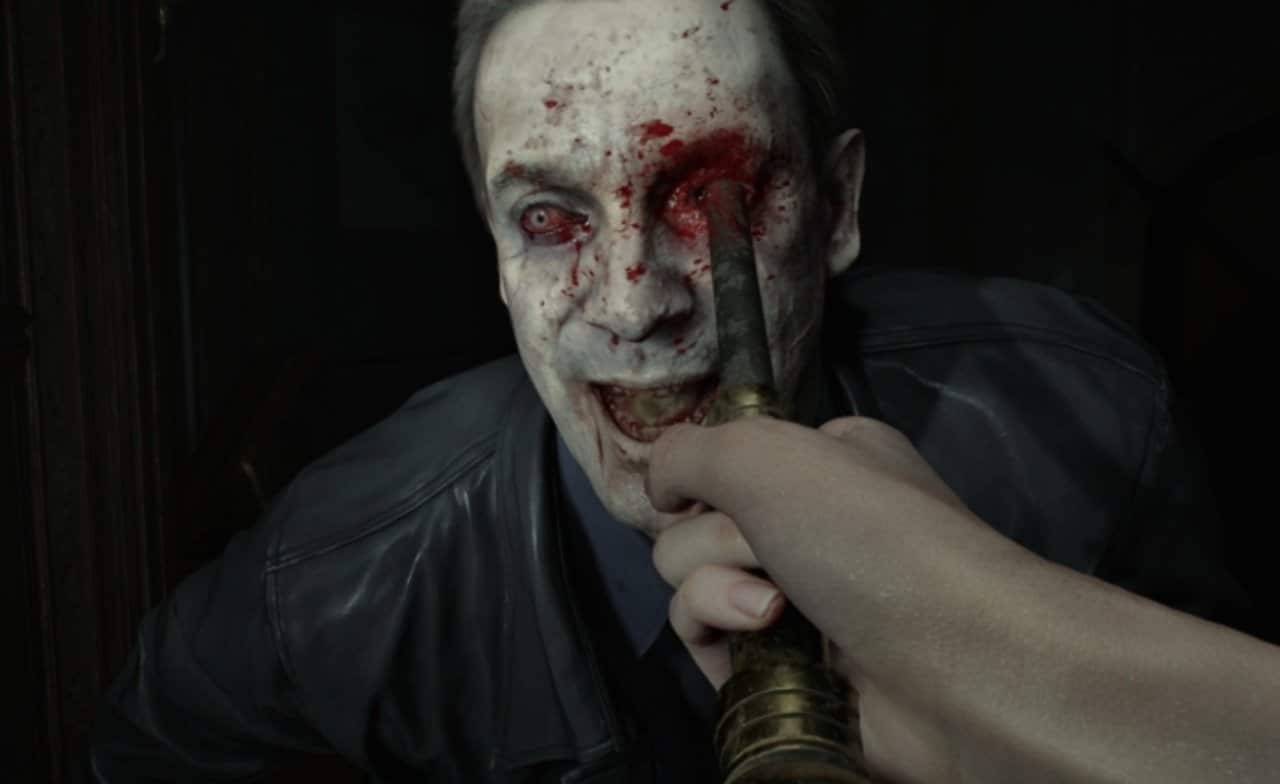
Japanese developer Capcom has structured aggressive planning for the coming years, focused entirely on expanding its main survival and horror franchise, Resident Evil. Internal documents and market movements indicate that the company works on a continuous line of new productions and recreations of classics that marked generations on consoles. The corporation’s objective is to guarantee the arrival of at least one major game in the saga annually until the end of this decade, expanding the player base and consolidating its leadership in the digital entertainment sector.
This long-term schedule spans from the eagerly awaited ninth numbered chapter to the tenth episode of the main series. To meet this demand, the company allocated hundreds of specialists in its studios, ensuring that titles reach the shelves with maximum quality and at regular intervals. The cadence of operations was designed to prevent consumers from going long periods without news, an essential tactic to maintain the brand’s relevance in a highly dynamic and competitive market.
The business strategy involves a profound update of the company’s proprietary graphics engine, known as RE Engine — which has revolutionized the company’s productions since 2017 and now evolves into the REX Engine standard —, in addition to restructuring the programming and level design teams. The central goal is to increase production volume without sacrificing the quality standards demanded by fans. This planning distributes financial and human resources in a surgical way, dividing heavy tasks between the main studios in Japan and support teams spread around the world.
Parallel development strategy accelerates the arrival of new games
The creation network was set up so that multiple projects reach physical and digital stores sequentially. Art direction and software engineering teams work at the same time in different company facilities. This intelligent division of tasks allows one studio to finish polishing a game while another group begins the pre-production phase of the next title, optimizing time in an unprecedented way in the production company’s history.
The executive board concluded that the franchise needs to mix new narratives with the modernization of works from the past. The commercial tactic aims to attract both veterans who discovered the saga in the 1990s and new users who purchased recent hardware. This diversification of the catalog guarantees the cash flow necessary to finance research and development of the next cycle of technological innovations.
Classics from the PlayStation 2 and Dreamcast era get versions remade from scratch
The internal calendar points to the modernization of specific titles that made history on previous generation consoles. The current focuses are the adventure set on an isolated island, widely known as Resident Evil Code: Veronica, and the prequel to the saga, Resident Evil 0. Originally launched in the early 2000s, these projects are expected to hit the market in mid-2027. The productions use state-of-the-art graphics, completely recreating the scenarios and character models.
The company plans to deliver a fully reconstructed version of the title that depicts the events immediately preceding the incident at the famous mansion in the Arklay Mountains. Gameplay mechanics will undergo a complete overhaul, ditching the fixed camera angles in favor of the over-the-shoulder third-person perspective. Developers are combining modern inventory movement and management systems, eliminating the technical limitations imposed by original hardware.
The top management is also evaluating the possibility of returning to the very first game in the series at a later time, estimated between 2030 and 2033. The board’s thinking is to align the visual identity, dubbing and controls of the inaugural chapter with the standard established by the most recent remakes, creating a cohesive and accessible library for future generations of players.
Dramatic changes in artificial intelligence and exploration mark the ninth chapter
The next numbered release in the franchise will introduce profound changes to the way players interact with the virtual environment. The creative team is developing an artificial intelligence system for enemies that will require evasion maneuvers and much more complex resource management. The setting will take place in a new location, expanding the geography of the series’ universe and presenting biological threats never seen before.
The main addition to the combat package is the inclusion of a second targeting mechanic, designed to accommodate specific missions during the campaign. The game mode will provide dynamic viewpoints during narrative events, restricting the use of support characters. The structure was designed not to compromise the linearity of the final product, offering more exploration time without losing the frenetic pace of the central story.
The title breaks with the tradition of strictly linear progression by introducing open world elements. The creative decision incorporates exploration on foot across vast maps, raising the challenges of physical and psychological survival. The screenwriters managed to advance the narrative in a way that even audiences who are not familiar with the brand’s mythology will be able to understand the plot perfectly.
To support these innovations, software engineering implemented top-notch real-time physics and lighting processing routines. Rigorous quality control testing demonstrates stable frame rates even in open environments, dealing with high density of moving elements and dynamic gameplay-altering weather effects.
Production of the tenth episode is already moving behind the scenes at the developer
The game design for the tenth main title in the saga targets a release window of 2029, with active work already started at the company’s headquarters. The project’s director set the general tone for the narrative and setting, taking on the responsibility of delivering a turning point for the more than three-decade-old series. The current phase involves creating detailed concept art, 3D modeling of creatures and defining core mechanics. The writers work to unify the complex timeline, tying up loose ends left over from years of stories.
The development of this massive work requires the outsourcing of motion capture and dubbing to international studios. The producer divided the budget to invest in infrastructure dedicated exclusively to this project. Sound engineering is capturing unique acoustic environments in real abandoned locations to increase immersion. The final product will serve as a definitive milestone, extracting the maximum capacity of current generation consoles.
Creation tools receive improvements to avoid technical bottlenecks
To make all these long-term projects viable, the company carries out an ongoing restructuring of its proprietary graphics engine. Used in the most recent releases, the development tool is receiving crucial updates to handle the new generation of consoles, including the following technological features:
- Advanced fluid simulation to create more immersive and realistic environments.
- Volumetric fog systems that enhance the atmosphere of terror and suspense.
- Physics of scene destruction calculated in real time during combat.
With these additions, the technical team is working hard to compile new environments in a fraction of the time required in previous versions. The objective is to overcome the




