
Extreme warming of the Pacific in 2026 raises maximum alert for global climate

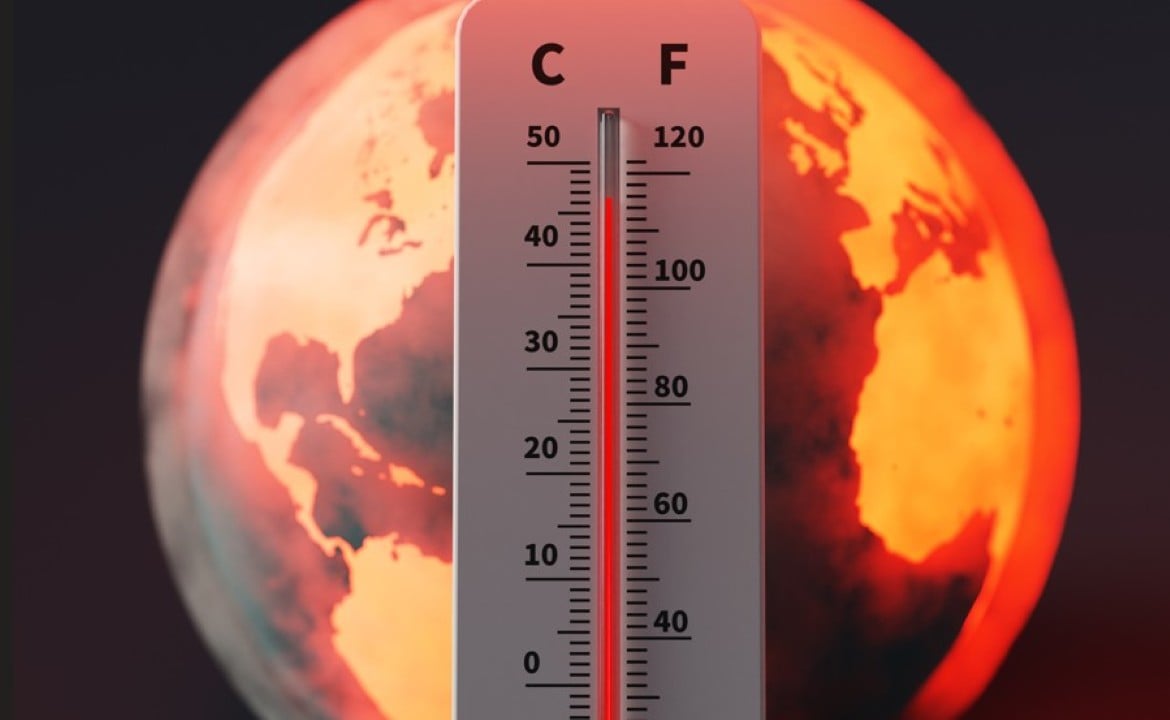
Climatology experts issued a blunt warning on August 31, 2026 about the formation of a thermal anomaly without recent precedents. The projection indicates that the planet will face a Super El Niño of devastating proportions, with the potential to break records established over the last century and a half. Continuous monitoring of surface temperatures in the Pacific Ocean reveals a pattern of accelerated warming, suggesting that climate developments will far exceed historical averages. The network of deep-sea buoys and thermal monitoring satellites confirm that the anomaly is gaining strength at a speed rarely documented by modern science. Researchers from several global institutions are now working to map the exact extent of this atmospheric change. The main concern lies in the speed with which equatorial waters are accumulating heat, a factor that acts as fuel for extreme weather events. Faced with this scenario, governments and productive sectors are already beginning to receive preliminary guidance to adapt their infrastructures. The imminence of this phenomenon requires a coordinated response, as no region of the globe will go through changes in wind circulation and precipitation rates unscathed.
Thermal dynamics and the functioning of the anomaly in the Pacific Ocean
Understanding the mechanics of this disturbance requires observing the interaction between the atmosphere and sea currents in the equatorial belt. The phenomenon occurs when trade winds weaken, allowing exceptionally warm waters to accumulate in the eastern Pacific, changing atmospheric pressure on a planetary scale. For the event to receive the “Super” rating, the thermal anomaly must exceed the 2°C mark above the historical average, a severe condition that completely destabilizes the rainfall regime. This gigantic mass of heated water acts like a colossal radiator, transferring immense amounts of energy and moisture into the atmosphere. As a result, the Walker circulation — the wind pattern that dictates tropical climate — undergoes a dramatic reversal, causing a domino effect that changes everything from the formation of cyclones to soil moisture on distant continents.
Mobilization of meteorological agencies in the face of extreme projections
The severity of the data collected led the World Meteorological Organization (WMO) and other centers of excellence to intensify their risk communications. Computer climate prediction models, which use artificial intelligence and cross-historical data, converge towards an atypical strengthening of the anomaly over the next few months. Experts warn that the time window for preventative planning is rapidly narrowing, requiring immediate civil defense actions. Financial institutions and global insurance companies also watch weather reports with trepidation, recalculating risk premiums for the agricultural and real estate sectors in high-exposure areas. The possibility of facing the most severe ocean warming in the last 150 years calls into question the resilience of coastal cities and rural areas. Recent technical reports highlight that the current infrastructure of many developing countries is not designed to withstand the coming load of environmental stress.
Direct impacts and climate changes in Brazilian territory
Brazil has a particular geographic vulnerability to the vagaries of the Pacific, and projections for 2026 draw a map of severe contrasts. The country’s continental dimension means that atmospheric disturbances manifest themselves in opposite ways depending on latitude, requiring regionalized mitigation strategies. The agribusiness sector and the hydroelectric power generation system are traditionally the first to feel the blow of these fluctuations. Expected changes to the national climate include:
- South of the country: Dangerous concentration of stationary cold fronts, generating volumes of precipitation well above average, which multiplies the chances of urban flooding and slope collapses.
- North and Northeast Range: Atmospheric blockages that prevent the formation of clouds, resulting in prolonged droughts that threaten the grain harvest, reduce the level of reservoirs and create the perfect scenario for the spread of fires.
- Southeast Area: Chronic instability in the weather forecast, alternating weeks of suffocating heat and dryness with sudden and destructive convective storms.
- Thermometers: Significant jump in temperature averages in all units of the federation, intensifying thermal discomfort and the demand for electrical energy.
Ripple effect and projected losses for the international economy
Going beyond South American borders, the meteorological shock wave promises to reconfigure the stability of several nations. Global food security is in a state of alert, as simultaneous crop failures on different continents tend to trigger basic food inflation. In addition to the financial impact, the availability of drinking water in overpopulated river basins will suffer drastic reductions. The international panorama outlined by scientists encompasses the following scenarios:
- Multiplication of extreme heat domes, subjecting vulnerable populations to borderline survival conditions in the Northern Hemisphere.
- Profound imbalance in marine habitats, causing coral bleaching and the removal of commercial schools, which directly affects the fishing industry.
- Catastrophic water deficit in vast areas of the African continent, the interior of Australia and Southeast Asia.
- Delay or complete failure in India’s monsoon regime, a phenomenon on which billions of people depend for irrigation of subsistence crops.
Retrospect of catastrophes and lessons left by previous anomalies
Analyzing the records of decades past offers a grim glimpse of what the year 2026 may hold for humanity. The episode that occurred between 1982 and 1983 rewrote the climatology manuals by causing global losses that exceeded tens of billions of dollars, destroying coastal infrastructure and decimating plantations. Subsequently, the 1997-1998 and 2015-2016 biennia consolidated the understanding that overheated oceans act as triggers for systemic chaos. During these critical periods, the world witnessed landmark events such as:
- Torrential rainfall that caused deadly landslides and destruction of highways in the state of California.
- Relentless droughts have turned forests in Indonesia and the Australian outback into powder kegs for uncontrollable fires.
- Temporary collapse of the resurgence of cold waters off the Peruvian coast, paralyzing anchovy extraction and breaking the local fishing economy.
Recovering this climate memory serves as the main persuasion tool for governments to abandon their reactive stance. The window of opportunity to reinforce dams, diversify energy mixes and create strategic food stocks is open now, but will close as Pacific waters continue to boil. Transitioning from a disaster response model to a culture of active prevention is the only viable path to minimizing human suffering and economic collapse. The precision of modern satellites has eliminated the element of surprise, shifting full responsibility to the crisis management capabilities of contemporary authorities. The 2026 alert is already documented, all that remains is the execution of contingency plans robust enough to withstand the fury of an unbalanced atmosphere.





