

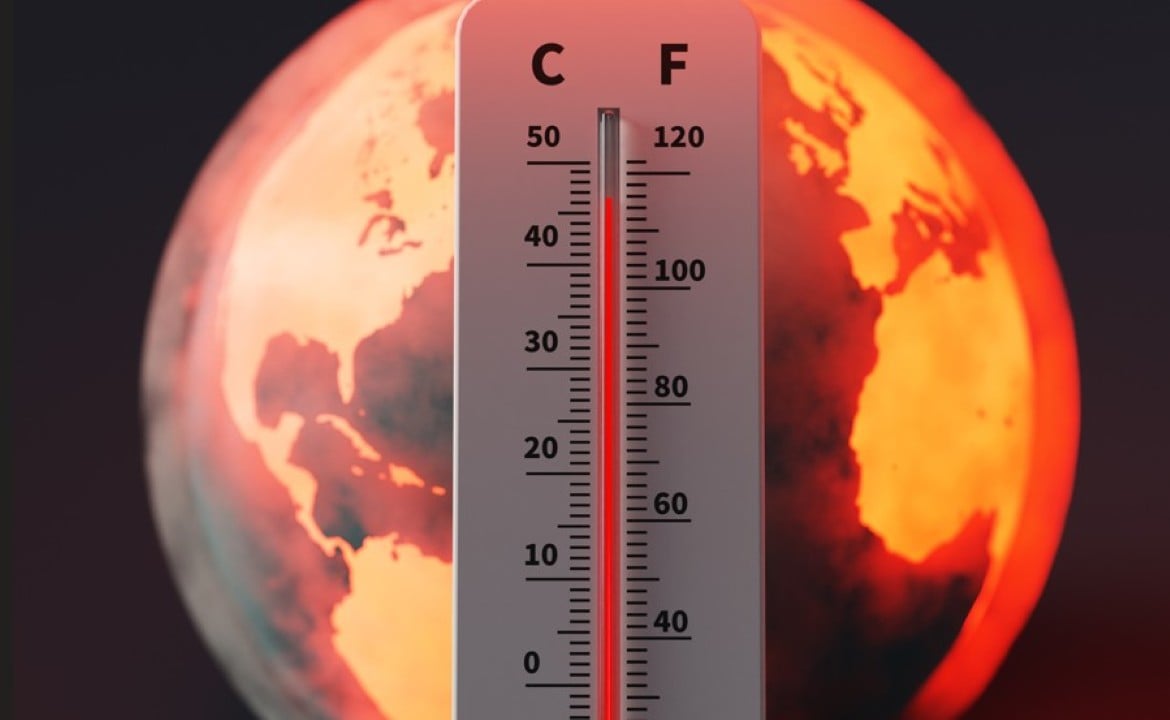
The planet is preparing for a climate event of historic proportions, with a Super El Niño projected in 2026 that could become the most powerful in the last 150 years. Scientists and meteorologists have been on high alert since August 31, 2026, monitoring the warming of the waters of the Pacific Ocean and its potential consequences for the global climate, which promise to surpass the patterns already observed.
The El Niño phenomenon and its characteristics
El Niño is a natural climate phenomenon characterized by the abnormal warming of surface waters in the Equatorial Pacific Ocean. This warming affects wind and rainfall patterns on a global scale, drastically altering the climate in different regions of the world. In Super El Niño years, the intensity of warming is much greater, resulting in more severe and widespread impacts.
Alerts from the scientific community and meteorological bodies
Concern about the 2026 El Niño comes from climate analyzes and models that indicate a significant strengthening of the phenomenon. International meteorological bodies and climate experts have issued warnings about the need to prepare, given the potential for extreme events. Pacific warming is expected to reach levels not seen in more than a century and a half.
What changes for Brazil with a Super El Niño
In Brazil, the effects of an intense El Niño are widely known and could worsen in 2026. Climate change tends to manifest itself as follows:
- Southern Region:Significant increase in the volume of rainfall, increasing the risk of floods, river overflows and landslides.
- North and Northeast Regions:Longer and more intense periods of drought, affecting agriculture, water supply and generating forest fires.
- Southeast Region:Variation in rainfall patterns, which can generate extreme humidity or drought events at different times.
- Temperatures:Trend of increasing average temperatures across a large part of the national territory.
Global consequences of Pacific warming
The impacts of a Super El Niño are not restricted to Brazil, reaching the entire world. This phenomenon affects critical sectors such as agriculture, food security and the availability of water resources. Among the expected global consequences are:
- Increase in the frequency and intensity of heat waves in different parts of the world.
- Changes in marine ecosystems, impacting fishing and biodiversity.
- Severe droughts in regions such as parts of Africa, Asia and Australia, and floods in others.
- Disruptions in monsoon patterns, crucial for agriculture in Asian countries.
History of powerful El Niños and their legacies
Recent history has already recorded some El Niño events of great magnitude, serving as lessons for future preparation. The Super El Niño of 1982-1983, for example, caused significant damage worldwide, with losses estimated at billions of dollars. More recently, the events of 1997-1998 and 2015-2016 were also particularly strong, resulting in:
- Record rainfall in California.
- Droughts in Indonesia and Australia.
- Disturbances in fishing off the coast of Peru.
These examples from the past reinforce the importance of monitoring and preparing for 2026 projections, seeking to mitigate impacts in various social and economic spheres.




