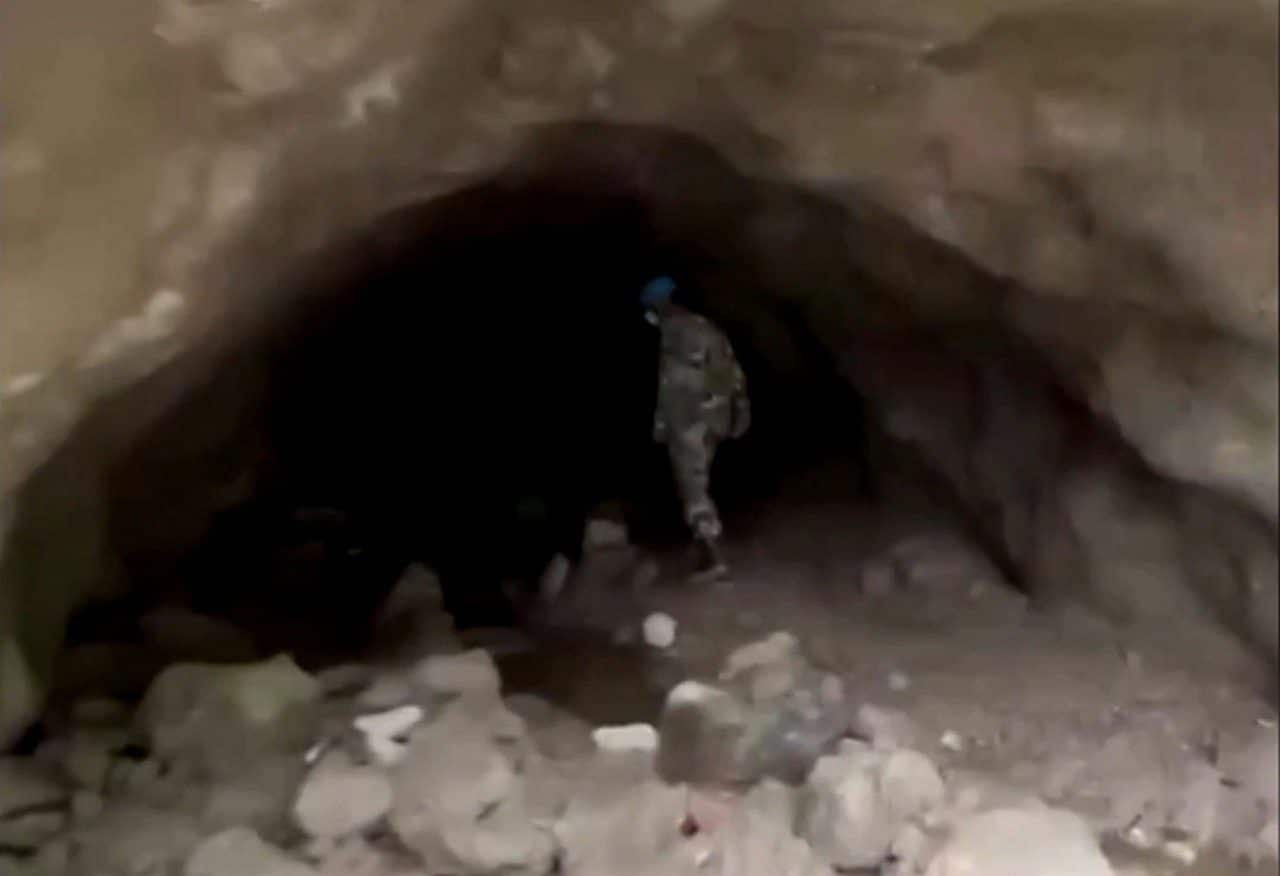
Emergency teams confirmed on Monday, August 31, 2026, that they found “no signs of human presence” in tunnels in the Rasuwa region, Nepal. The intensive searches were carried out following the devastating floods that subjected the underground network to large volumes of water and sediment.
The sweep was conducted by a team of Nepali Army engineers at the Rasuwagadhi hydroelectric project, located near the Bhote Koshi river. Despite the use of drones to map the interior of the structure to its deepest point, no people were found, as reported by the prime minister’s office.
Almost a thousand workers remain missing after floods
While the search at Rasuwagadhi concluded unsuccessfully, the overall situation in Nepal remains critical, with hundreds of workers still missing from several other facilities. A recent survey compiled by the Independent Power Producers Association of Nepal (IPPAN) revealed that around 900 employees are missing.
This alarming number covers 11 hydropower projects that were severely impacted by last week’s floods and landslides. The extent of the damage and the vastness of the search area pose a major challenge to rescue efforts across the country.
Great difficulty in locating survivors in underwater tunnels
Each of the affected plants presents unique obstacles for rescue teams as they struggle to determine the safest routes of access. Many of these complexes have internal tunnels that stretch for several kilometers, meaning that any trapped workers could be a considerable distance from the entrance.
Experts estimate that rooms and resources within these underground structures could, theoretically, allow individuals to survive for weeks. However, the issue of air and oxygen supply is a critical factor and one of the biggest problems to be faced by rescue teams.
Rescue operations in Trishuli 3A and Chilime face hurdles
At Trishuli 3A hydropower plant, where 42 people were reported missing, a vast drilling operation is underway to clear the way to the tunnel. Access to the underground powerhouse is via a tunnel measuring more than four kilometers long, where dozens of people were working at the time of the flood.
Arnold Dix, an Australian geologist who consults with rescue teams at Trishuli 3A, explained that the extent of mud and water inside the tunnel is still unclear. The need to dig can vary from tens to hundreds of meters, increasing the complexity and time of the mission.
Dix also warned of other imminent dangers, such as the possibility that the turbine room had been flooded due to the failure of emergency shutdown systems. Furthermore, the release of water from the drillings carried out by the teams represents a significant risk for the rescuers involved in the operation.
At the same time, at the Chilime hydroelectric plant, six individuals remain missing, according to Jenjen Lama, a mountain guide working in search and rescue operations. A diagram of the facility shows a 250-meter tunnel that descends from the entrance before connecting to a larger structure, which houses a maintenance area, control room and the plant’s transformer.
Rescue teams found the Chilime tunnel completely blocked by sediment and mud that reached the height of the rescuers’ chests. They managed to advance only 130 meters before being forced to halt work, an additional obstacle being that the damaged infrastructure also prevents helicopters from landing at the site.
Lama noted that there is a kitchen and food supplies inside the structure, but expressed concern about the availability of oxygen for potential survivors. The situation highlights the urgency and extreme conditions faced by those trapped in adverse conditions.
Widespread destruction of energy projects in Nepal
Recent flooding has caused extensive damage to Nepal’s energy infrastructure, with up to 27 hydropower plants affected across the country. Of this total, around 12 projects were practically destroyed, exacerbating the energy crisis and the region’s recovery challenges.
The loss and damage of these hydropower projects not only directly impacts the local economy but also the power supply capacity of Nepal. Reconstruction and stabilization of operations will be complex and time-consuming tasks, requiring a joint effort and significant resources from authorities.
Faced with the devastation and uncertainty about the whereabouts of hundreds of workers, authorities and rescue teams remain mobilized. The hope of finding survivors diminishes every day, transforming the operations into a humanitarian challenge of alarming proportions for the country.