

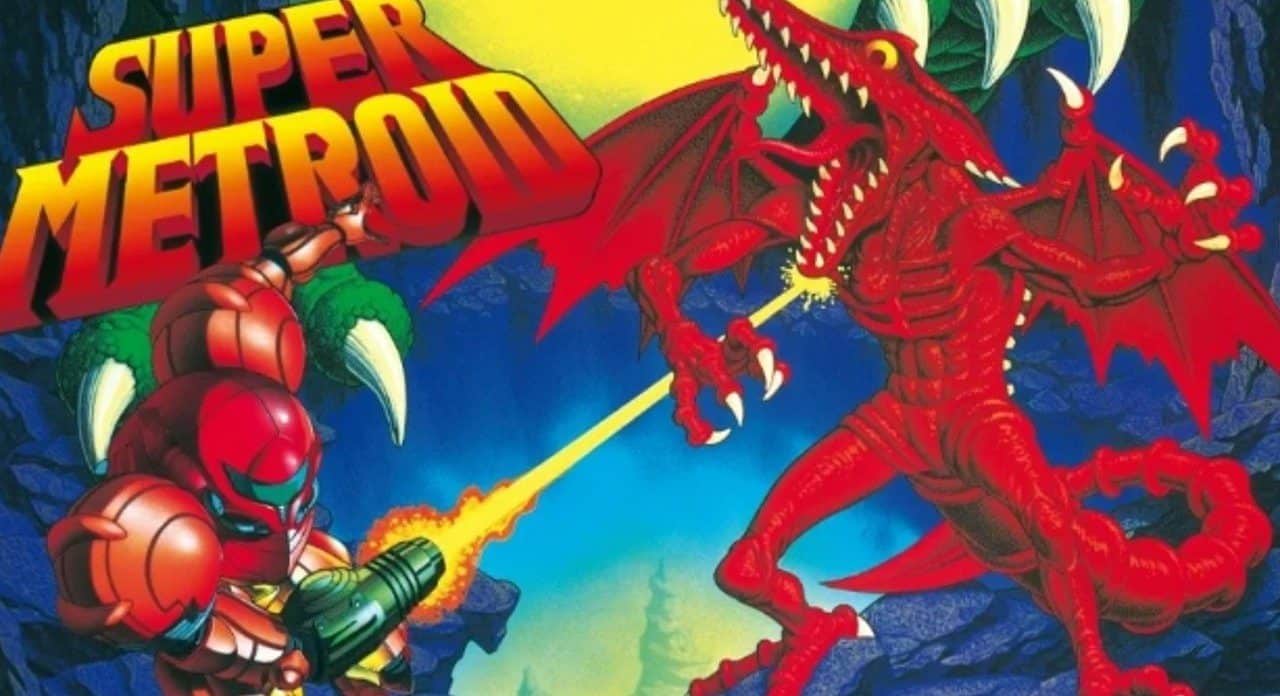
The Super Nintendo Entertainment System, affectionately known by the acronym SNES, has completed more than three decades since its official launch, but continues to be a fundamental pillar in global pop culture. During the unforgettable 16-bit era, marked by an intense marketing rivalry with Sega’s Mega Drive, players were introduced to fantastic worlds that permanently shaped the industry. While common sense often points to colorful adventures through the Mushroom Kingdom or epic explorations through the lands of Hyrule as the platform’s absolute pinnacles, the documented numbers tell a very different story. A rigorous compilation of reviews published at the time shows that the real critical champion is a dense, labyrinthine and extremely lonely space adventure.
The impact of classic evaluations and the surprise at the top of the podium
For many years, the GameRankings portal functioned as the main thermometer of video game quality, aggregating ratings from printed magazines and the first specialized websites from around the world, long before being absorbed by the current giant Metacritic. When rescuing the historical collection of this detailed database, researchers and historians of interactive media noticed that absolute classics such as The Legend of Zelda: A Link to the Past and Super Mario World do not occupy the isolated leadership. In fact, the crown of the highest-rated game in the entire console catalog belongs to interstellar bounty hunter Samus Aran.
Originally launched in 1994, the project led by Nintendo itself in direct partnership with the Intelligent Systems studio reached an almost unattainable level of global acclaim. The work recorded an impressive average approval rating of 95.17% among critics, with gross score peaks reaching 96.55%, consolidating itself as a true technical and narrative masterpiece. This overwhelming performance left behind role-playing giants, such as the unforgettable Chrono Trigger, which secured the silver medal with 94.88% acceptance, and the visual innovation of Super Mario World 2: Yoshi’s Island, which rounds out the coveted podium.
Definitive list of the biggest critical hits of the 16-bit era
The statistical survey shows how fierce the competition for technical excellence was during the effervescent 1990s. Each title present in the Super Nintendo elite not only sold millions of copies on global shelves, but also dictated software design rules that continue to be copied and refined to this day. The difference in scores between the first placed is minimal, often decided by tenths, reinforcing the high quality standard required by the consumer market of that generation. Below, you can check the complete hierarchy of the system’s ten most praised productions, reflecting the press consensus at the time:
- 1. Super Metroid (1994): 95.17% approval
- 2. Chrono Trigger (1995): 94.88% approval
- 3. Super Mario World 2: Yoshi’s Island (1995): 93.41% approval
- 4. Final Fantasy VI (1994): 93.05% approval
- 5. Super Mario World (1991): 93.03% approval
- 6. Super Mario Kart (1992): 92.36% approval
- 7. The Legend of Zelda: A Link to the Past (1992): 92.05% approval
- 8. Star Ocean (1996): 89.37% approval
- 9. Donkey Kong Country 2: Diddy’s Kong Quest (1995): 88.92% approval
- 10. Fire Emblem: Thracia 776 (1999): 88.52% approval
One of the details that most attracts analysts’ attention in this historical compilation is the positioning of the Zelda franchise, frequently cited in modern forums as the undisputed favorite of many enthusiasts. The epic journey of the hero Link came in seventh place overall, being considerably far from the top dominated by alien exploration on the planet Zebes. This discrepancy between the affective memory of the general public and the coldness of the documented numbers shows how specialized critics valued different aspects of innovation, risk and technical execution in that specific period of the industry.
How Samus Aran’s Journey Created a New Genre in the Industry
The isolated leadership of the space adventure is not limited to a mere mathematical accident or a passing preference of the evaluators who wrote the magazines. The robust 24-megabit cartridge delivered an unprecedented audiovisual experience, utilizing the console’s powerful sound chip, originally designed by Ken Kutaragi, to create an oppressive, alien and deeply immersive atmosphere. More important than the detailed graphics and fluid animations, the structure of the interconnected map laid the architectural foundations of a style of game that, years later, would be called Metroidvania, influencing thousands of independent developers who today create smash hits.
Unlike the overwhelming majority of platform games at the time, which followed a linear and predictable progression from left to right, Nintendo’s masterpiece required the player to purposefully get lost in dark corridors. The total absence of invasive tutorials, indicative arrows or explanatory dialogues forced constant experimentation with the scenario, rewarding natural curiosity with new abilities, such as the iconic Morph Ball, which opened paths that were previously inaccessible. This unshakable trust in the intelligence and intuition of those who had control in their hands was widely celebrated in the pages of specialized publications in the 90s.
The Enduring Legacy of Space Exploration on Modern Consoles
The purely environmental narrative also represented a giant leap forward for interactive media of that decade, telling a complex story of survival, alien biology, and sacrifice without the need for long text boxes interrupting the action. The feeling of isolation conveyed by the desolate ruins and melancholic soundtrack proved that video games could evoke complex, adult emotions, going far beyond simple quick entertainment aimed at children. Digital preservation experts and game design academics often use this specific title as the perfect example of a timeless work, where no movement or combat mechanics seem dated even after so many technological innovations.
Today, as the Japanese company’s most famous and charismatic mascots continue to break successive sales records on modern platforms like the Nintendo Switch, the absolute critical prestige of the golden age remains firmly in the hands of a lone heroine. The recognition documented by historical aggregators serves as a fascinating reminder of how the technical insight of specialized media helped shape the rigorous quality standards we demand from major contemporary superproductions. Statistical supremacy in 16-bit is definitive proof that creative boldness, combined with impeccable level design, always finds its place of distinction in the history of digital entertainment.




