
Video reveals explosion of Chinese Zhuque-3 rocket before historic landing

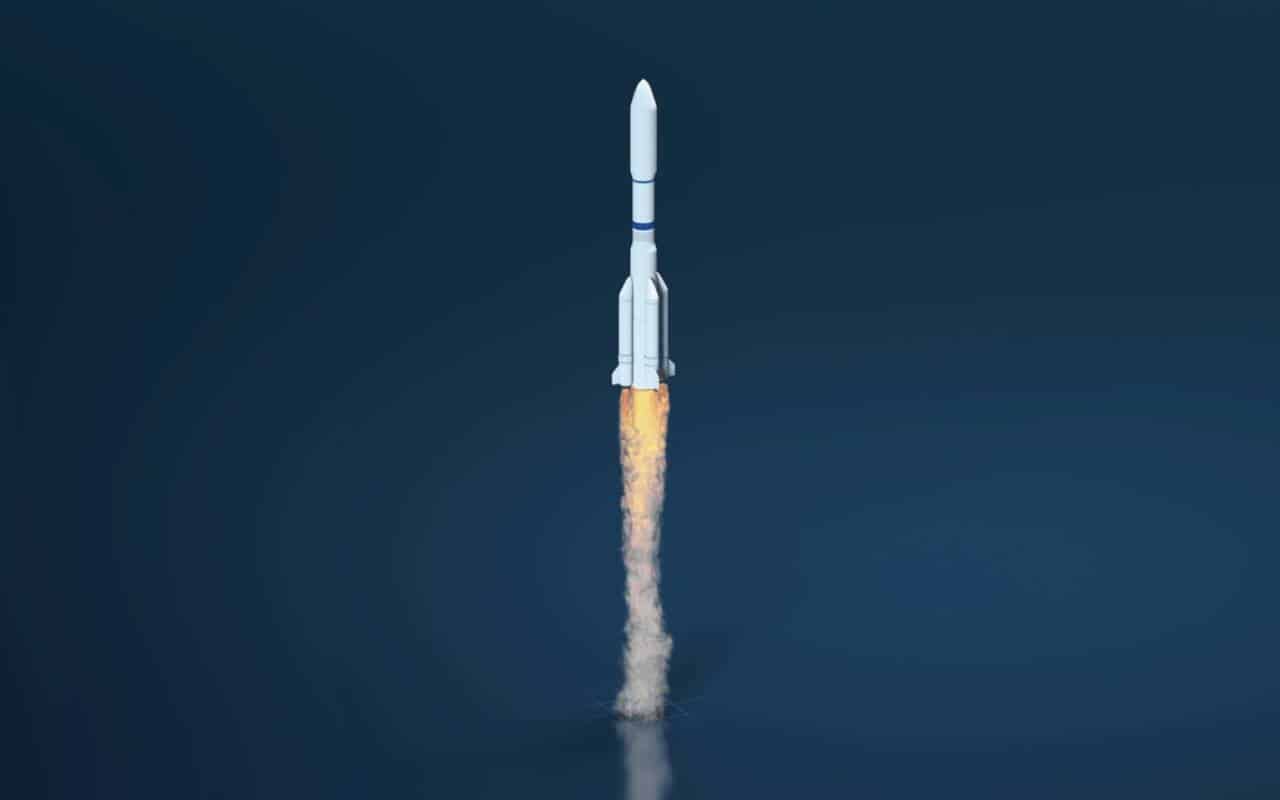
The Asian aerospace sector experienced moments of extreme tension before reaching one of its biggest recent technological milestones. Images recently broadcast by the state network CCTV expose the violent destruction of the Zhuque-3 rocket during its initial recovery attempt, which took place on December 3, 2025. The equipment, belonging to the Beijing-based company LandSpace, suffered catastrophic failures in its control systems as it plummeted back to Earth. This visual material provides a rare perspective on the immense engineering hurdles associated with creating orbital vehicles that can be deployed multiple times.
The impact of unprecedented images of the space accident
During that inaugural mission, the 66-meter-tall structure fulfilled its primary objective of reaching orbit perfectly. The real acid test, however, involved bringing the gigantic first stage back to a designated landing pad for subsequent flights. Engineers seek to recover these colossal structures to drastically cut manufacturing costs and increase the frequency of global launches.
The recently declassified recordings show the exact moment the descent went out of control. Cameras attached directly to the booster’s body captured the ground approaching at terrifying speeds, while the structure was already engulfed in flames. Small internal detonations occurred moments before the entire stage disintegrated in a huge fireball near the predicted recovery zone.
Despite the total loss of hardware, the telemetry data collected during the crash proved to be indispensable for the continuity of the project. Aerospace development relies heavily on destructive testing to identify structural weaknesses and programming errors. The engineering team used this failure to map aerodynamic defects and recalibrate the automated landing algorithms.
Technical similarities with North American SpaceX equipment
A close analysis of the December 2025 footage highlights specific design choices that mirror established Western technologies. The video clearly displays grid-shaped hypersonic fins guiding the thruster through Earth’s dense atmosphere. These attitude control devices gained worldwide fame through the operations of the Falcon 9, manufactured by Elon Musk’s company.
The adoption of this proven aerodynamic solution indicates a pragmatic approach on the part of the Asian manufacturer. Instead of reinventing mechanisms from scratch, LandSpace incorporated systems that have already demonstrated high reliability in extreme reentry conditions. This strategy accelerates the development cycle and narrows the technological gap between private space companies in the East and West.
The real challenge lies not just in copying the physical shape of the fins, but in mastering the complex software that controls them. The flight computer must calculate thousands of variables per second to adjust the rocket’s trajectory against unpredictable atmospheric winds. The initial explosion proved that hardware alone does not guarantee a safe return without a perfectly tuned processing system.
Game changer with perfect thruster landing
The intense period of data analysis and systems redesign bore fruit less than a year after the accident. On August 18, 2026, the upgraded version of Zhuque-3 took off for its second orbital mission. The vehicle positioned its payload of satellites on the correct trajectory flawlessly before beginning the dreaded surface return sequence.
This time, the descent profile occurred exactly as simulated in the company’s laboratories. The first stage fired its engines at the precise altitude, braking its massive weight before gently touching down on the recovery platform. This flawless operation established the first successful landing of a Chinese private orbital rocket in the history of space exploration.
Breaking this barrier changes the dynamics of the international commercial launch market. Until this point, the ability to launch, land and reuse orbital-class boosters was practically the exclusive preserve of American entities. The Beijing company is now positioning itself as a viable alternative for global satellite operators looking for more cost-effective trips to space.
The role of methane in the new generation of orbital vehicles
A crucial component of this technological leap involves the choice of propellant that powers the main engines. Also in June 2025, the company conducted extensive ground tests using liquid methane and liquid oxygen to boost the first stage. This chemical combination represents the absolute cutting edge in modern rocket design.
Unlike traditional kerosene, which leaves a heavy layer of soot inside engine components after combustion, methane burns exceptionally cleanly. This feature drastically reduces the time and money spent cleaning and overhauling engines between flights, allowing the vehicle to land, refuel and take off again in a matter of days.
The strategic focus on this specific fuel also aligns with long-term interplanetary ambitions. Methane can be synthesized on the surface of Mars using local resources, a process known as in-situ resource utilization. By mastering this propulsion technology now, the Asian aerospace sector sets the stage for future deep space exploration missions.
Chinese advances in the race for the aerospace economy
Zhuque-3’s triumph operates within a much broader national strategy to dominate the next era of space commercialization. Both private startups and government-backed institutions in the country are pumping billions into reusable architectures. The ultimate goal is to create a robust logistics network capable of supporting massive infrastructure projects in orbit.
To understand the accelerated pace of this evolution, it is necessary to observe the sequence of recent achievements in the region. The timeline demonstrates a coordinated effort to master different recovery methods across multiple classes of vehicles.
- In June 2025, engineers validated the methane engine burning, ensuring the viability of the clean propulsion system.
- On July 10, 2026, the state-owned Long March 10B model managed to return from space and land at sea, using a net capture system installed on a ship.
- On August 18, 2026, the private sector consolidated the technology with the autonomous vertical landing of the Zhuque-3 on solid ground.
These sequential victories dissolve the technological monopoly previously held by Western powers. The global space economy now faces a scenario of intense competition, which will inevitably force prices for sending cargo into orbit to fall. LandSpace has proven that the barrier to entry for building reusable rockets has been definitively broken.





