
American court condemns Duane Davis for the death of rapper Tupac Shakur after three decades

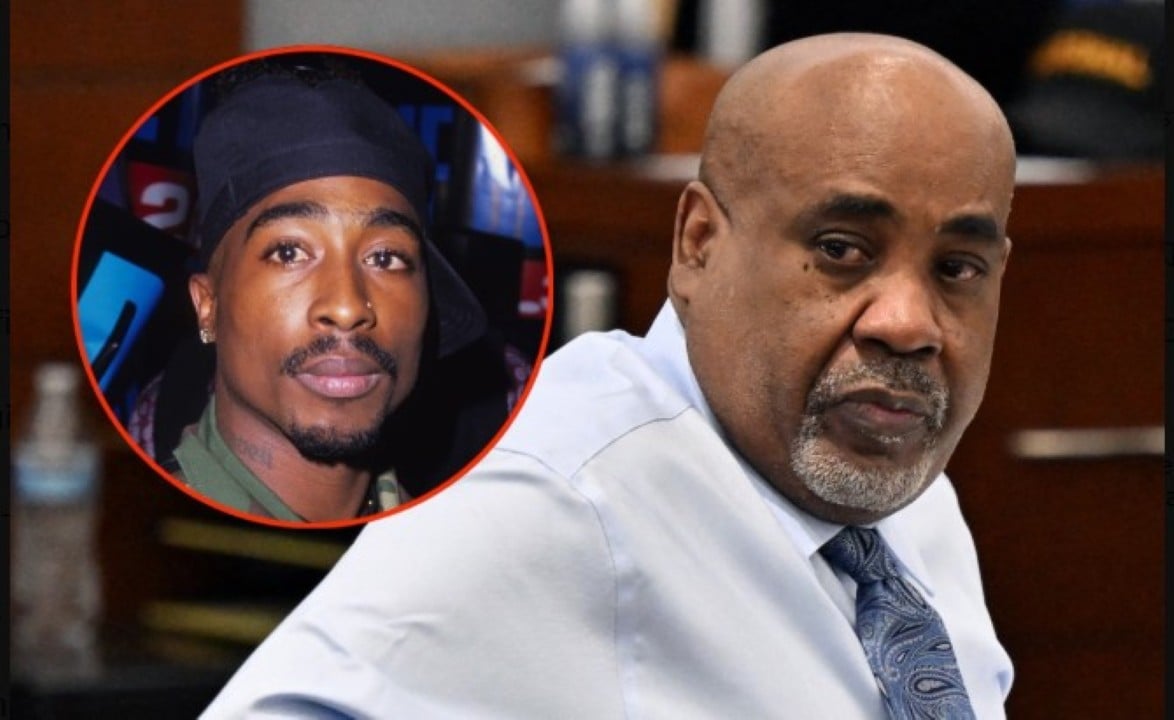
The Nevada state court system handed down a historic decision on August 31, 2026, officially ending a dark and complex chapter in global music. Duane Davis, known worldwide under the nickname “Keffe D” and former leader of the South Side Compton Crips criminal faction, was formally convicted of orchestrating the murder of legendary artist Tupac Shakur. The resolution of this emblematic case in American courts comes exactly three decades after the crime that shocked fans and forever changed the trajectory of the international recording industry.
The outcome of a criminal puzzle that lasted thirty years
For a long time, the shooting that took place in the bright streets of Las Vegas remained one of the greatest unsolved enigmas in contemporary pop culture. The lack of concrete answers from authorities has fueled a multitude of conspiracy theories, investigative documentaries and heated debates between public security experts and music historians. The recent verdict not only brings legal clarity to the facts, but also offers a sense of belated justice to the victim’s family and his millions of admirers around the world.
The prosecution managed to convince the jury that the defendant acted as the real mastermind behind the lethal ambush, even though he was not the direct author of the shots that killed the musician. According to the American legislation in force in the state, the responsibility for planning, coordinating and ordering a homicide carries exactly the same legal weight as pulling the trigger. Given the seriousness of the charges and the historical impact of the crime, the former gang leader is now awaiting the definition of his sentence, which has a high chance of being converted into life in prison without any possibility of parole.
The breaking of the silence and the confessions that sealed the defendant’s fate
For decades, the progress of investigations has come up against a strict code of silence maintained by California gangs and the absolute lack of witnesses willing to cooperate with police authorities. Detectives who worked on the original case reported numerous frustrations when trying to cross-reference ballistics evidence with testimony that often turned out to be contradictory, vague or intentionally false. In practice, the investigation was considered closed, gathering dust in the files of the local police department while the real culprits remained unpunished.
The great turnaround that allowed the case to be reopened did not come from new forensic technology, but from the accused’s own need for notoriety in his older years. Over the past few years, Duane Davis has started giving interviews on popular podcasts and even published a memoir detailing his youth in the world of crime. In these public and media statements, he openly admitted to being in the vehicle from which the shots were fired, providing prosecutors with the exact evidentiary material they needed to support an arrest warrant and subsequent conviction before the jury.
The timeline of the violent night that changed the rap landscape
To understand the dynamics of the murder, it is necessary to go back to the night of September 7, 1996, a date marked by a major sporting event in the city of casinos. Tupac Shakur was in the city accompanied by Marion “Suge” Knight, the powerful and feared executive of the record label Death Row Records, to watch a popular Mike Tyson boxing match at the MGM Grand hotel. The festive and celebratory atmosphere quickly deteriorated after the fight ended, culminating in a physical confrontation that would seal the young musician’s fate hours later.
Images from security cameras in the hotel lobby recorded the artist and his large entourage violently attacking Orlando Anderson, nephew of Duane Davis and member of a rival faction in Compton. This isolated incident acted as the trigger for an immediate and lethal retaliation orchestrated by the uncle of the attacked boy, who quickly mobilized his allies. The sequence of events that unfolded in the following hours demonstrated planning focused on territorial revenge.
- The record company’s convoy left the hotel heading to a local nightclub, with the rapper in the passenger seat of a black BMW driven by Suge Knight.
- A white Cadillac, rented and occupied by four members of the rival gang, began following the entourage’s vehicles through the busy avenues of Las Vegas.
- Taking advantage of a mandatory stop at a red light at a busy intersection, the shooters’ car strategically paired with the victims’ vehicle.
- Multiple shots were fired from the back seat of the Cadillac, hitting the artist four times in the chest, pelvis and right thigh before the criminals fled.
The context of war between record companies and the victim’s legacy
The attack in Nevada did not occur in a social vacuum, but rather at the height of a declared and widely mediatized rivalry between the east and west coasts of the United States. At that time, tension between Los Angeles-based Death Row Records and New York-based Bad Boy Records, led by The Notorious B.I.G., went beyond song lyrics and resulted in real confrontations in the streets. This hostile and polarized environment made the initial work of the police immensely difficult, as they had to investigate dozens of suspects linked to different criminal groups and commercial interests.
Tupac Shakur resisted his serious injuries for six days in the intensive care unit of the local hospital, dying on September 13, 1996, at the age of 25. His premature death interrupted a meteoric career that already included multiplatinum albums, praised performances in Hollywood cinema and a cultural influence that transcended American borders. The artist’s legacy continued to grow posthumously, transforming him into a symbol of resistance and urban poetry that is now even studied in the curricula of major universities.
Expectations for the sentence and the end of the judicial process
With the guilty verdict firmly established by the popular jury, the Nevada justice system is now preparing for the final phase of the process, which will determine the exact time the convicted person will be imprisoned. Legal experts point out that the premeditation of the attack and the coldness of the public confessions are aggravating factors that weigh heavily against any request for clemency from the defense team. The prosecution has already clearly signaled that it will seek the maximum penalty allowed, arguing that society needs a firm response to crimes of such magnitude, regardless of the time that has passed.
The conclusion of this long trial represents an institutional relief for the police authorities, who for a long time carried the stigma of inefficiency in the face of a case so closely followed by the global media. More than closing a voluminous criminal dossier, Duane Davis’ conviction puts an end to an era of unbridled violence that marked the nineties in the American music scene. It now remains to wait for the formal sentencing hearing, which will formalize the fate of the man responsible for silencing one of the most important and influential voices of his generation.





