
Apple revolutionizes the market with 200 MP iPhone 18 Pro Max and reveals its first foldable cell phone

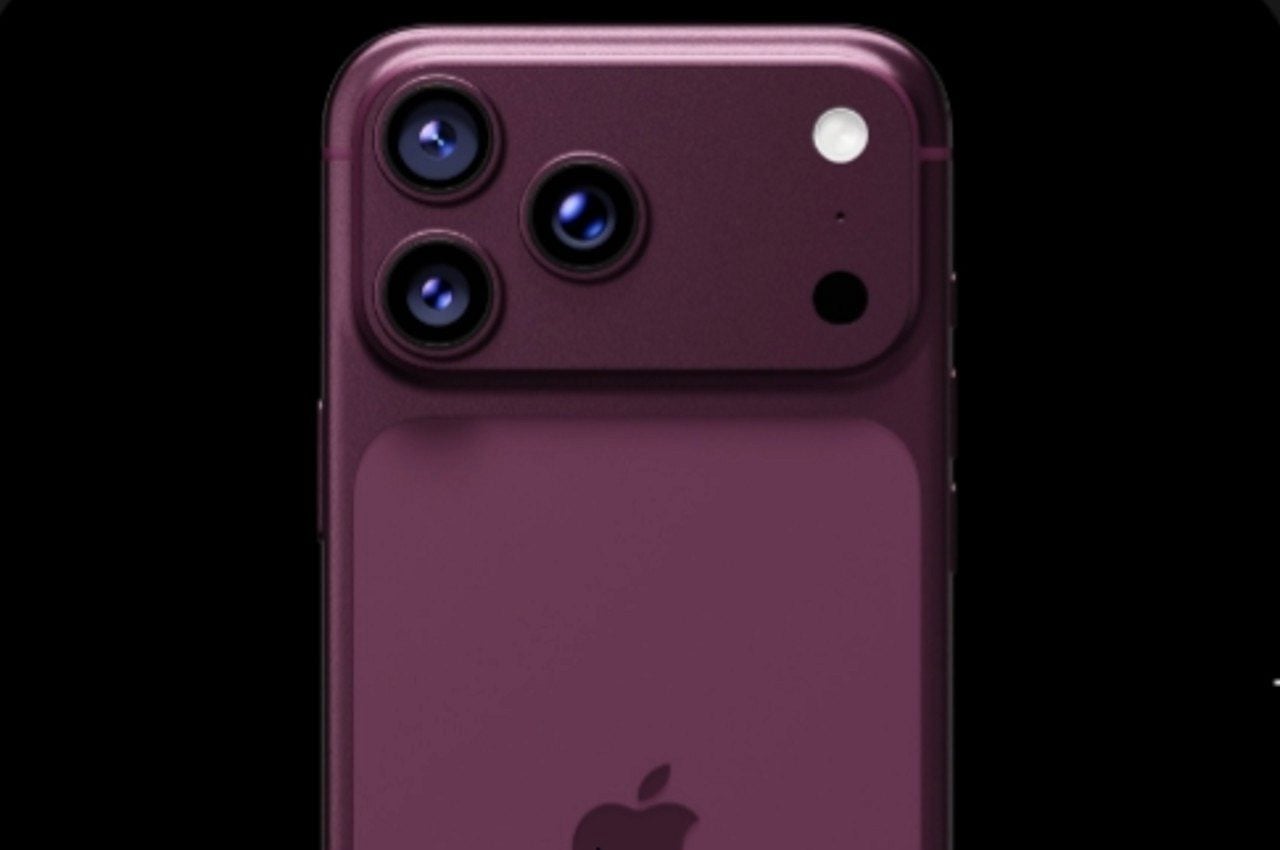
The Cupertino giant revealed its latest line of mobile devices to the world during a major international event, highlighting the powerful iPhone 18 Pro Max, which now sports a 200-megapixel photo sensor and an unprecedented adjustable opening mechanism. The main highlight of the presentation, however, was the introduction of the long-awaited iPhone Fold, marking the manufacturer’s definitive entry into the coveted flexible screen segment. Scheduled to hit shelves in September 2026, the new equipment will start at US$899 for the standard version, reaching US$1,199 for the most advanced variant.
Lens innovations bring professional camera features to cell phones
The most robust model in the new family has undergone profound changes to its optical assembly, raising image capture to a level comparable to that of dedicated cameras. The centerpiece of this evolution is the gigantic 1/1.12-inch sensor, the largest ever implemented by the brand, which guarantees unprecedented light absorption in the company’s history. As a direct result of this physical enlargement, photographs taken in nighttime or low-light scenarios present a drastic reduction in grain, delivering sharp results even in the most adverse situations.
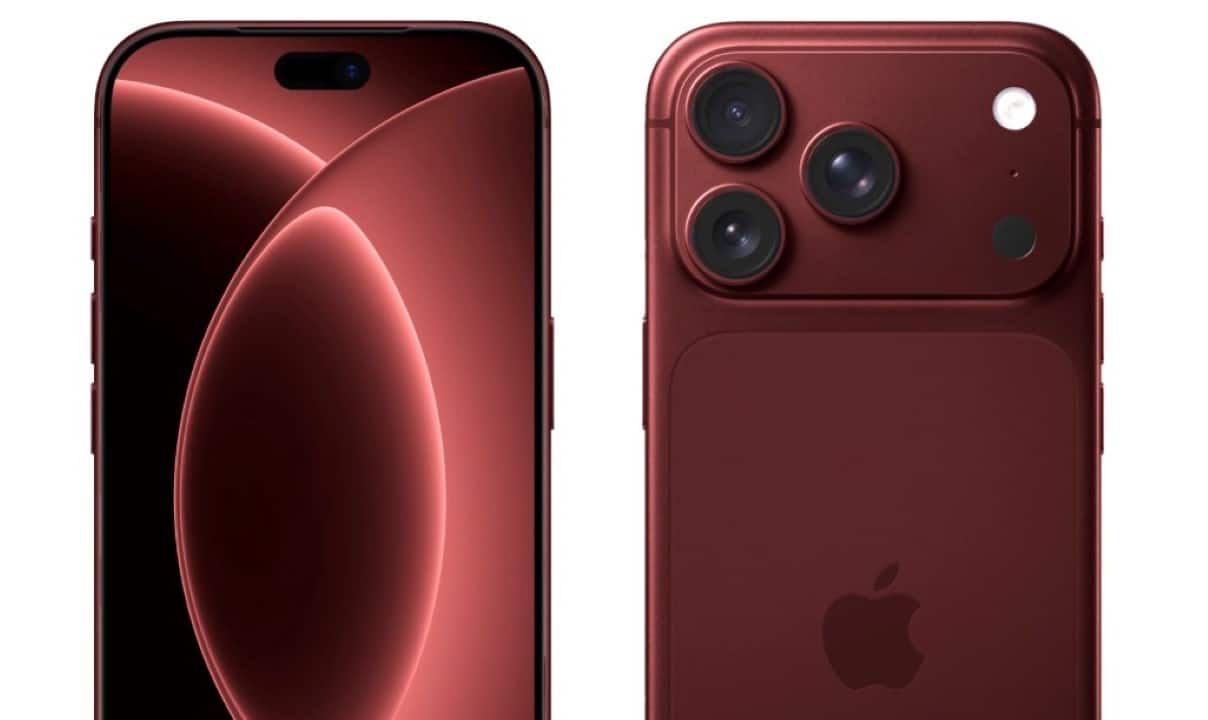
This year’s big technological difference lies in the ability to physically change the diaphragm of the main lens before taking the photo, a feature that rival Asian brands had been exploring, but which is now being refined by Apple. This mechanical mechanism allows users to control depth of field in a realistic way, generating authentic background blur and eliminating the need for traditional software tricks. The new feature responds to a long-standing appeal from content creators and pocket-sized videographers, working in perfect harmony with the 200 MP periscopic lens to guarantee extremely high-fidelity optical zoom.
The conventional Pro version has a rear set made up of three very high-capacity sensors, although with slightly different specifications. The device is equipped with a 48-megapixel main camera, accompanied by an ultra-wide-angle lens of the same resolution and a 64-megapixel periscopic telephoto sensor. For audiovisual enthusiasts, both premium variants support video recording in stunning 8K resolution at 60 frames per second, backed by an intelligent system that adjusts exposure and color balance in real time.
New two-nanometer chip guarantees leaps in performance and battery life
The heart of these new devices is the recently announced A20 Pro chip, built on an advanced two-nanometer architecture, which promises an unprecedented balance between brute force and energy savings. This state-of-the-art silicon works in sync with denser power components, providing up to 26 hours of uninterrupted use away from outlets. While the gigantic Pro Max is powered by a 5,200 mAh tank, the standard Pro edition houses 4,300 mAh, both featuring an extreme survival mode capable of stretching the charge for up to three days by turning off non-essential features.
In terms of visuals, the displays adopt LTPO Super Retina XDR OLED technology, driven by modern M16 panels manufactured to order by South Korean Samsung. Dimensions have grown subtly, with the Pro Max reaching 6.9 inches and the Pro sitting at 6.3 inches of pure visual immersion. Fluidity continues to be guaranteed by the 120 Hz ProMotion system, which intelligently adapts the refresh rate to save load, while the interactive notch at the top of the screen has been physically reduced to maximize the useful area for reading and notifications.
- 12 GB of RAM capacity to support dozens of applications open simultaneously.
- Internal space alternatives that reach an impressive 2 TB in the most expensive version.
- Implementation of the proprietary C2 modem, designed to get the most out of telephone networks.
- Built-in support for the new Wi-Fi 7 and Bluetooth 6 wireless connectivity standards.
- Expansion of satellite coverage, allowing the exchange of text messages in isolated regions.
Debut in the foldable devices segment intensifies competition with competitors
The revelation of the long-awaited flexible model puts the American giant on a direct collision course with manufacturers that have already dominated this niche for years. Adopting the book-closing format, the equipment offers a 5.5-inch external display, ideal for quick interactions and use with just one hand. When unfolded, the device reveals a generous 7.8-inch OLED panel, converting the phone into a true pocket tablet, perfect for media consumption, in-depth reading and corporate productivity.
The articulation mechanism was the result of years of confidential research, resulting in a system that practically eliminates the screen’s central crease, an aesthetic defect that has always haunted rival devices. To optimize the design, the fingerprint reader was relocated to the side power button, ensuring immediate access to the system even when the cell phone is closed. Sharing the same engine as the premium line, the foldable features the A20 Pro chip, 12 GB of RAM and up to 2 TB of space, as well as a dual set of cameras led by a 200 megapixel lens. The suggested price for the international market is around US$2,000, positioning the equipment in a niche category aimed at consumers willing to invest in new formats.
Factory operating system bets heavily on artificial intelligence tools
The entire new family of cell phones will come out of the box equipped with the unprecedented iOS 27 system, whose absolute focus is on the deep integration of solutions based on generative artificial intelligence. The brand’s classic voice assistant has been completely rewritten, gaining the ability to interpret highly complex requests and maintain the thread of long, natural dialogues. The software now has permission to cross-reference information between different programs on the cell phone itself, executing daily routines and schedules with frightening precision.
The native image manager has also been steroided with standalone editing features. The device’s intelligence can analyze a photograph, suggest professional framing and even erase unwanted people or objects from the scene, recreating the background in a magical way and without traces. When typing, the keyboard learns the owner’s language preferences and starts to suggest entire sentences based on chat history, all processed locally within the A20 Pro chip, ensuring that no personal data is sent to external servers.
Pricing strategy and new color options define the 2026 catalog
The entry-level model of the generation acts as the most affordable access ticket to the new features, initially priced at US$899. For the first time, the cheapest version inherits the ultra-fluid scrolling screen, a benefit that in the past was exclusive to those who paid more. The look was redesigned and the innards were updated to support the heavy algorithms of the new operating system, coming in shades of dark cherry, light blue, dark gray and silver, curiously retiring the classic black color. The Pro variant starts at US$1,099, justifying the jump in value due to elite photographic sensors and superior screens, creating a well-defined catalog where the basic model serves the masses, the Pro line focuses on content creators and the foldable attracts technology pioneers.





