
Brazilian GDP registers an increase of 0.5% in the 2nd quarter of 2026, reports IBGE

Brazil’s Gross Domestic Product (GDP) recorded growth of 0.5% in the second quarter of 2026, as released by the Brazilian Institute of Geography and Statistics (IBGE) on September 1, 2026. This advance indicates that the Brazilian economy generated a total turnover of R$3.4 trillion in the period analyzed, marking a moderate expansion amid a scenario of challenges and adjustments.
Understanding the growth indicator of the Brazilian economy
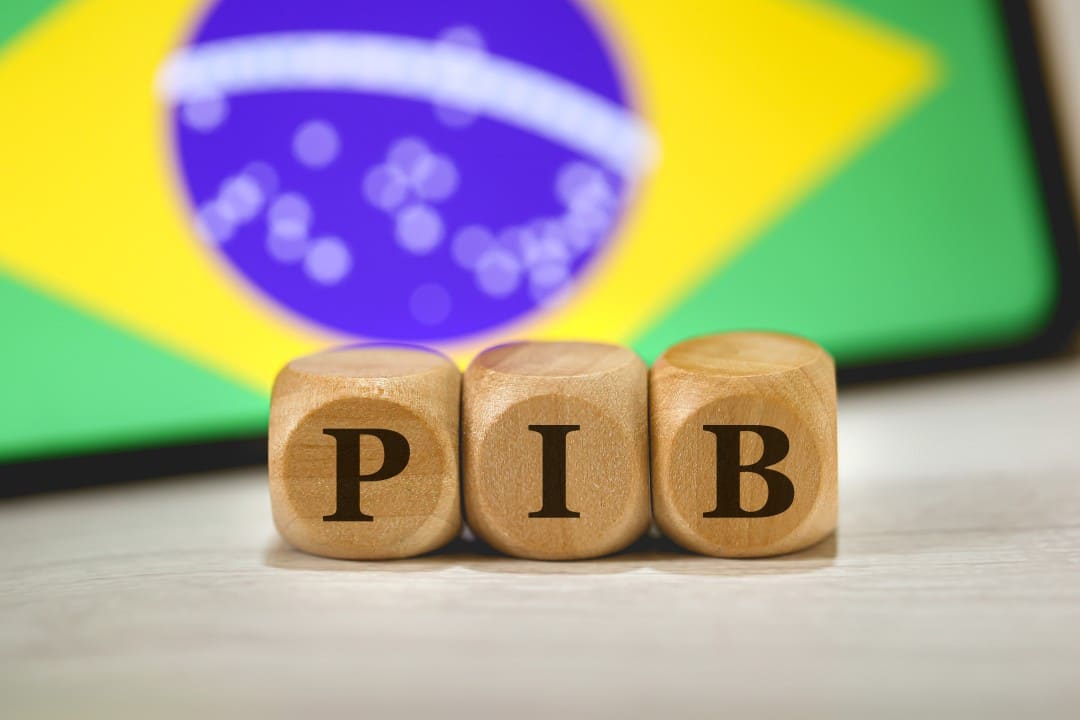
The Gross Domestic Product is the main barometer of a country’s economic activity. It adds up the value of all final goods and services produced in a given period, offering a comprehensive view of the size and dynamics of the economy. The 0.5% result in the second quarter, although positive, represents a slowdown compared to the first quarter of 2026, when growth was 1.1%. In the same period of the previous year, in 2025, the expansion had been 0.4%.
Detailed analysis of GDP allows you to understand which sectors of the economy are driving growth and which are facing difficulties. This indicator is essential for the government to formulate public policies, for companies to plan investments and for citizens to understand the economic health of the country and its impacts on daily life.
The role of agribusiness in boosting national GDP
The agricultural sector was the major positive highlight in the second quarter of 2026, showing robust growth of 2.8%. This performance highlights the continued importance of agribusiness for the Brazilian economy. The record grain harvest, driven by favorable weather conditions in several regions and technological advances in production, contributed significantly to this result.
The strong international demand for agricultural commodities, especially soybeans and corn, was also a crucial factor, increasing exports and, consequently, the inflow of foreign currency into the country. Agribusiness has acted as a pillar of support in times of slowdown in other sectors, demonstrating resilience and the ability to generate value even in challenging scenarios.
The contribution of the services sector and the challenges of the industry
The services sector, which holds the largest share of the Brazilian economy, recorded a more modest increase of 0.2% in the second quarter. This growth reflects the dynamics of consumption and movement in areas such as commerce, transport, accommodation and food, and financial services. Despite progress, the slower pace suggests that recovery after periods of instability is still gradual and faces resistance.
Industry, in turn, grew just 0.1%. The discreet performance of this sector can be attributed to several factors, including the impact of high interest rates, which make credit for investments and the consumption of durable goods more expensive, in addition to still cautious domestic demand. Sectors such as the manufacturing industry and civil construction may have felt the effects of a more restrictive economic environment. Industrial fragility is a point of attention, given its potential to generate jobs and added value.
Understanding the dynamics of household and government consumption
One of the warning points in the IBGE report was the 0.4% drop in household consumption. This data is relevant, as domestic consumption is one of the main drivers of Brazilian GDP. The drop suggests that factors such as still high inflation and high interest rates continue to erode Brazilians’ purchasing power and debt capacity.
The higher cost of living and more difficult access to credit cause families to postpone purchases of durable goods and reduce discretionary spending. On the other hand, government consumption increased by 0.4%. This growth may be related to an increase in public spending in specific areas or greater efficiency in resource allocation, although the fiscal impact of such an increase must be monitored.
What does the scenario of inflation and high interest rates impact on the economy
GDP performance in the second quarter of 2026 is inseparable from the context of high inflation and high interest rates that Brazil has been facing. Restrictive monetary policy, with the Selic rate at high levels, is a tool used to control inflation, but has the side effect of slowing economic activity.
More expensive interest rates impact credit, discourage investment and slow down consumption, as seen in the drop in household consumption. The expectation is that, as inflation shows consistent signs of cooling, the Central Bank may begin a cycle of reducing interest rates, which would potentially boost growth in more credit-sensitive sectors, such as industry and commerce.
Challenges and perspectives for the next quarters of 2026
The slowdown in GDP in the second quarter of 2026, compared to the first, signals that the year’s initial momentum may be losing momentum. The Brazilian economy is in a period of transition, seeking to balance the need to control inflation with the urgency of resuming more consistent growth and job creation.
The outlook for the coming quarters will depend heavily on the evolution of inflation, the interest rate trajectory and consumer and investor confidence. Structural reforms and policies to encourage production and investment can be crucial to ensuring a more robust recovery. Furthermore, the international scenario, with its own challenges and opportunities, will also influence the performance of the national economy.
The importance of gross fixed capital formation for the future
Although specific data on Gross Fixed Capital Formation (GFCF), which represents investments in machinery, equipment and construction, were not detailed in the initial IBGE communication, this component is vital for long-term sustainable growth. A low level of GFCF may compromise the country’s future productive capacity and the generation of quality jobs.
In a context of high interest rates, investment decisions tend to be more cautious. To reverse this trend and ensure more lasting growth, it is essential that there is a more predictable business environment and policies that encourage innovation and the modernization of infrastructure and the Brazilian industrial park.
How the GDP result affects Brazilians’ pockets
GDP performance has a direct and indirect impact on the daily lives of each citizen. Moderate growth, as observed, indicates that job creation may not be at the ideal pace to absorb the entire workforce. Furthermore, the drop in household consumption reflects continued pressure on the household budget, with less money available for goods and services.
A GDP that grows slowly can also mean lower revenue for the government, limiting the capacity to invest in essential areas such as health, education and infrastructure. For the consumer, the expectation is that, with the economic slowdown, there will be greater price stability in the medium term, but the recovery of purchasing power still depends on a more pronounced improvement in the job market and the fall in interest rates. To track these numbers is to understand the trends that will shape personal economic opportunities.





