
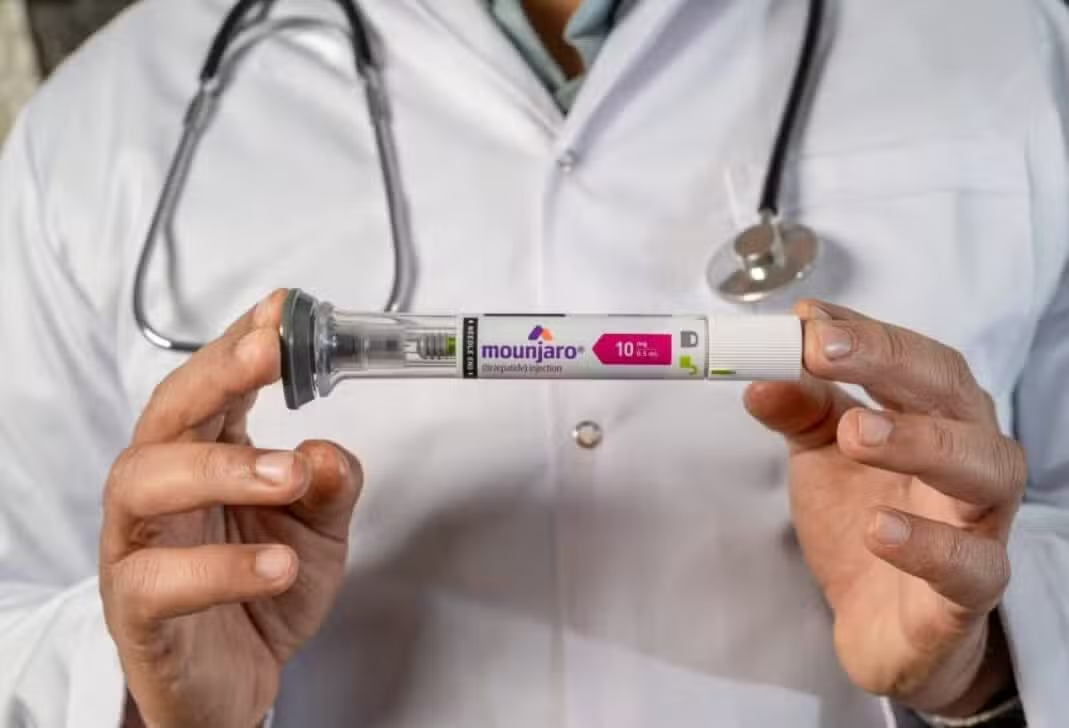
The United States Food and Drug Administration (FDA) gave its approval for a new application of Eli Lilly’s drug Mounjaro on August 31, 2026. Now, the treatment can be used to reduce the risk of serious cardiovascular events, such as heart attack and stroke, in adults with type 2 diabetes who are already at high risk.
The drug, based on tirzepatide, was previously authorized in the United States for glucose control. However, in Brazil, this specific indication for cardiovascular health is still awaiting deliberation by the National Health Surveillance Agency (Anvisa), requiring separate approval for its availability.
New authorization and its benefits for patients
The FDA’s decision represents a significant advance for patients with type 2 diabetes. The substance tirzepatide, the main component of Mounjaro, offers new hope for preventing heart and brain complications. The approval follows a rigorous analysis of clinical data, paving the way for new treatment strategies.
This new use enhances Mounjaro as an essential tool not only for glycemic control, but also for cardiovascular protection in a vulnerable population. The high risk of events such as heart attack and stroke is a constant concern for individuals with type 2 diabetes, and prevention is crucial.
Study that supported the release of the drug
Eli Lilly, manufacturer of Mounjaro, revealed that the FDA’s decision was based on the results of a comparative study. In it, Mounjaro was evaluated against Trulicity, an older drug from the pharmaceutical company itself, already established in the treatment of diabetes. The results were clear and determined the new indication.
Research demonstrated that tirzepatide achieved an additional 8% reduction in the risk of serious adverse cardiovascular events. Among the problems analyzed were heart attacks and strokes, highlighting the superior effectiveness of the new drug for this purpose compared to existing therapy.
Differences between tirzepatide and the action of two hormones
Tirzepatide works by mimicking the function of two important gut hormones: gastric inhibitory peptide (GIP) and glucagon-like peptide type 1 (GLP-1). This dual approach gives the medicine a superior capacity for metabolic modulation, impacting both blood glucose and the sensation of hunger. The combination of these actions is what differentiates it in the therapeutic scenario.
Specifically, when blood sugar rises, the active substance in Mounjaro, tirzepatide, acts as a catalyst for the release of insulin from the pancreas. In addition to its influence on glycemic control, the medication delays the stomach emptying process, which helps in the prolonged feeling of satiety and, consequently, in the management of body weight. Its action extends to brain regions that regulate appetite.
The fundamental distinction of tirzepatide in relation to other widely recognized treatments, such as those based on semaglutide, lies precisely in its mechanism of action. While semaglutide focuses its activity on GLP-1 receptors, tirzepatide simultaneously engages GIP and GLP-1 receptors. This dual agonist action not only improves metabolic control, but may also offer additional advantages in reducing cardiovascular risks, as demonstrated in recent studies, positioning it as a more robust and complete therapy.
Main features and benefits of tirzepatide
Tirzepatide, marketed as Mounjaro and Zepbound (for obesity in the USA), has several properties that make it an innovative treatment:
- Regulates glucose in people with type 2 diabetes.
- It acts on GIP and GLP-1 receptors simultaneously.
- Delays stomach emptying, helping to control weight.
- It influences the feeling of satiety, reducing appetite.
- It is under investigation for potential kidney and liver benefits.
Competitive landscape and trends in the pharmaceutical market
The recent FDA approval for Mounjaro comes within a context of intense competition in the global pharmaceutical market. Large laboratories, which developed therapies based on GLP-1 agonists for diabetes and obesity, are now directing their efforts to prove and expand the cardiovascular benefits of these medications. This “race” for new indications aims to consolidate the position of each drug as a comprehensive solution for patients with multiple comorbidities.
Novo Nordisk, which positions itself as one of Eli Lilly’s main rivals in this segment, had already won important authorizations in previous years. In 2024, for example, Wegovy, its semaglutide-based drug, received FDA approval to reduce cardiovascular risk in adult patients who were overweight or obese, in addition to established cardiovascular disease.
Subsequently, in 2025, Rybelsus, the oral formulation of semaglutide, also obtained regulatory approval to mitigate the risk of serious cardiovascular events in certain individuals with type 2 diabetes. These strategic moves by pharmaceutical companies demonstrate a clear tendency to expand the scope of action of these medicines, going beyond glycemic control and weight loss.
Expectations for approval in Brazil
In Brazil, Mounjaro is already duly approved by Anvisa for the treatment of type 2 diabetes, being used in conjunction with diet and exercise. It is also authorized to assist in chronic weight control, offering an option for patients seeking these improvements.
For the new cardiovascular indication to be released in the country, Eli Lilly will need to submit a specific request to the Brazilian regulatory agency. The expectation is that the process will follow the usual analysis protocols, evaluating the safety and effectiveness of the medicine for this new purpose in the national context before making it available to the public.