

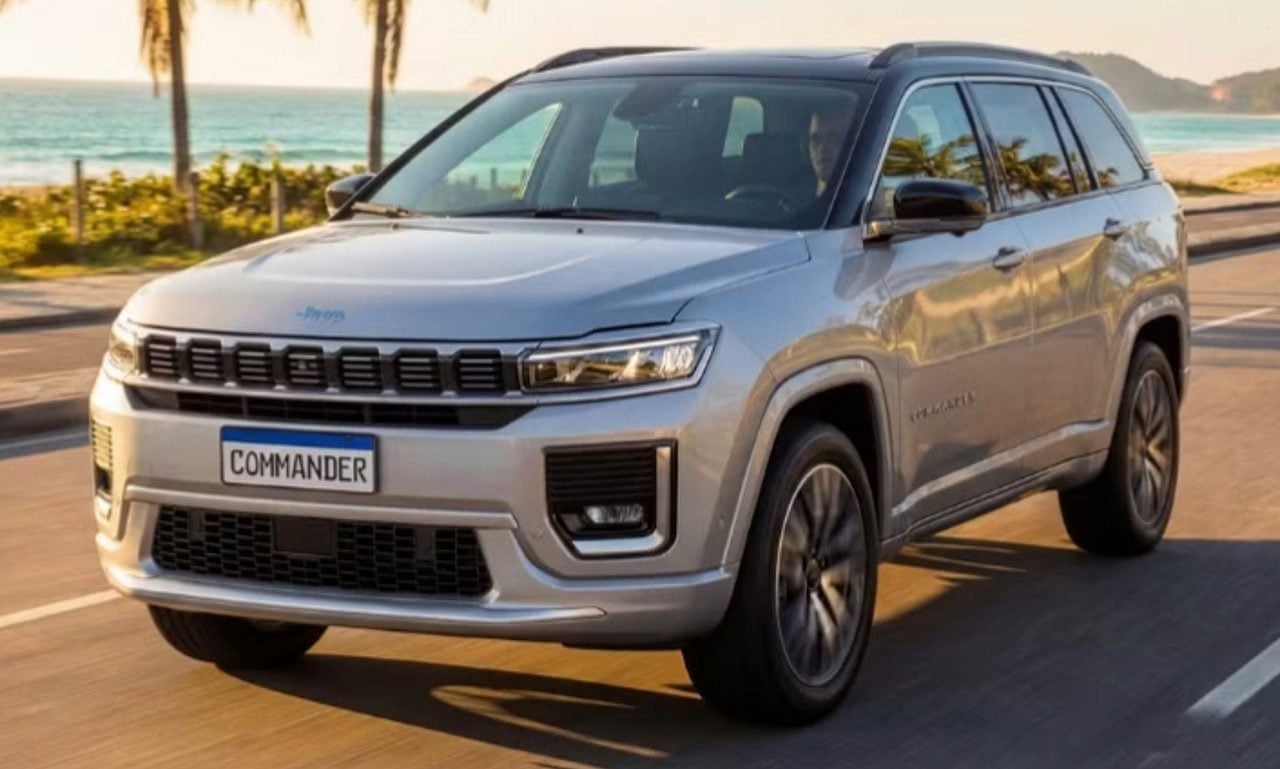
The 2027 Jeep Commander line now features an important mechanical update focused on energy efficiency. The North American manufacturer confirmed the arrival of a 48-volt mild hybrid system for the seven-seater SUV, initially debuting in the Limited and Overland catalogs. The access configuration, called Longitude, will receive the new feature later. The brand’s main objective is to adapt the family model to strict emissions control standards, in addition to ensuring relief in fuel consumption during daily traffic jams.
This technological transition follows the accelerated electrification movement that dominates the automotive industry in Brazil. In practice, the set is reinforced by a compact electric drive, specifically designed to alleviate the workload of the combustion engine in the most demanding situations. By reducing the effort of the main block, the automaker’s engineering manages to reduce fuel consumption rates. This is a tailor-made solution for the profile of drivers who spend most of their time facing heavy traffic in metropolises.
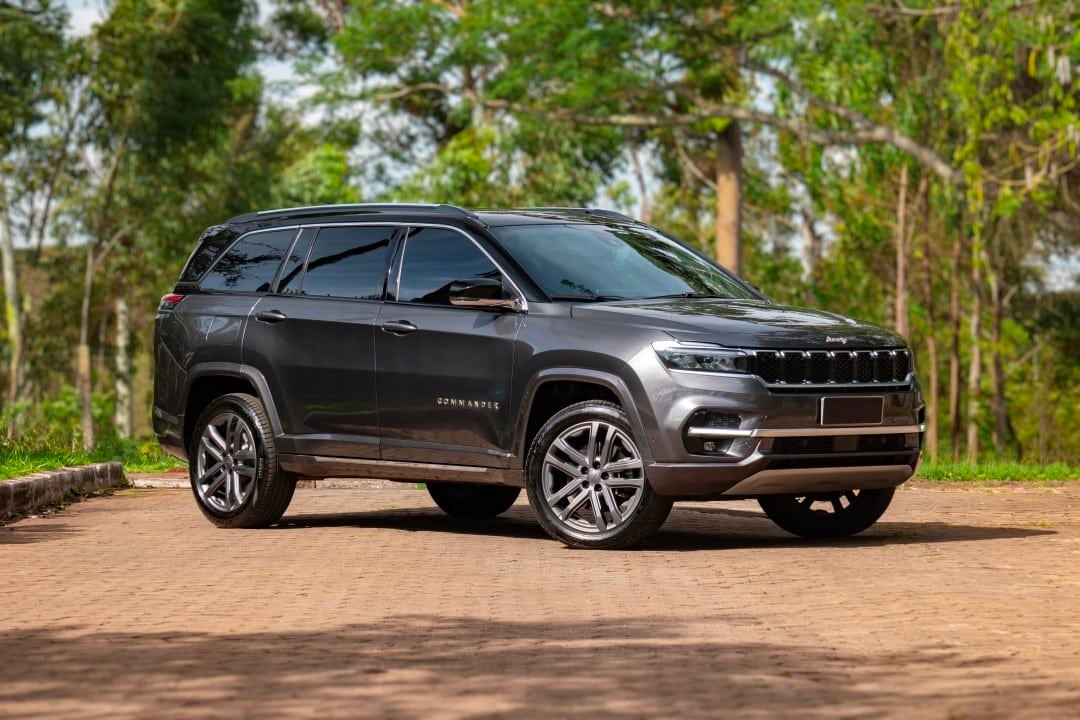
How the new electrified architecture of the T270 engine works
Under the hood, the essence of the utility remains the same, preserving the well-known 1.3 turbo flex engine from the T270 family. This engine continues to deliver its maximum 176 horsepower and a torque of 27.5 kgfm. To manage this force, the automaker maintained the six-speed automatic transmission coupled to front-wheel drive. Therefore, the structural and mechanical basis that Brazilian consumers already know has not undergone drastic changes in this new phase of the vehicle.
The big technological difference is the removal of the conventional alternator and starter motor, which gave way to a multifunctional electrical device. This new component is capable of injecting 16 extra horsepower and adding 6.6 kgfm of torque at crucial moments during driving. To power this auxiliary system, engineers installed a compact 0.9 kWh lithium-ion battery, responsible for storing all the energy recovered while the car moves.
It is essential to understand that this 48 volt network does not have enough power to move the seven-seater SUV in 100% electric mode. Its function is to act as a direct assistant to the combustion engine, making the start-stop system much smoother and ensuring agility when exiting traffic lights. Furthermore, whenever the driver takes his foot off the accelerator or applies the brakes, the generator comes into action to capture the kinetic energy that would otherwise be lost, recharging the small battery completely automatically.
Fuel consumption reveals significant gains in the urban cycle
The official measurements carried out by Inmetro make it clear where the new technology really makes a difference. For comparison purposes, the traditional Longitude variant, powered only by combustion, delivers an urban efficiency of 10 km/l and a highway performance of 11.5 km/l when fueled with gasoline. If the tank is full of ethanol, these numbers drop to 6.9 km/l on city streets and 8.3 km/l on highways.
The Limited version equipped with the MHEV (mild hybrid) system shows a smaller appetite in large urban centers. With gasoline, the SUV registers 11 km/l in the city, while the use of ethanol guarantees an average of 7.6 km/l in the same scenario. This translates into an increase in efficiency of around 10%. This benefit is felt precisely because the electric push occurs in situations where the car would use more fuel, such as when moving in and out of traffic jams.
On the other hand, the vehicle’s behavior on long journeys presents an inverse dynamic. The inclusion of the battery and electric motor added 41 kg to the total weight of the car, which ends up paying the bill at cruising speeds. On the road, the electrified model’s averages drop slightly to 11.2 km/l on gasoline and 8.1 km/l on ethanol. As the road journey requires constant acceleration, the electrical system works less and the combustion engine needs to exert more force to carry the extra weight.
Impact on the pocket and the new list of standard equipment
The adoption of this new engine directly impacted the market positioning of the SUV in Brazilian dealerships. Anyone who opts for the T270 MHEV Limited configuration will have to pay the suggested amount of R$255,690. On the other hand, the equivalent version without electrical assistance is sold for R$228,790. Putting it at the tip of a pencil, the consumer needs to pay an exact difference of R$26,898 to take the new product to the garage.
However, this significant jump in the price tag is not justified solely by the presence of the 48 volt set. The brand’s strategy involved repositioning the product, filling the catalog with a much broader technological package and new autonomous safety assistants. The idea is to deliver a level of sophistication that makes the customer perceive the added value and accept paying more for the superior category.
To attract this buyer profile, the Limited MHEV variant leaves the factory with an extensive list of amenities aimed at seven passengers:
- 10.1-inch multimedia screen equipped with the Adventure Intelligence Plus platform and voice commands via Alexa.
- Set of seven airbags, ensuring extra protection with an exclusive bag for the knees of those behind the wheel.
- Active safety package that includes frontal collision warning and autonomous brake activation in the event of an emergency.
- Cabin with refined finish, highlighting the panel covered in suede and aesthetic appliqués in darkened chrome.
- High-fidelity audio equipment supplied by Harman Kardon, providing cinema-like acoustics inside the vehicle.
When the Longitude MHEV option finally debuts, the expectation is that it will preserve attractions such as the fully digital instrument panel, the 18-inch alloy wheels and the essential air conditioning outlet for the rear rows. It will be up to the customer to decide whether the higher initial price is worth the comfort on board and the promise of savings on trips to the gas station over the years.
Tax advantages and free pass in traffic in the capital of São Paulo
If the purchasing decision is based strictly on the mathematics of consumption, the financial return may take time. Considering a driver who drives 15,000 kilometers annually, dividing the journey equally between urban roads and highways, the savings are modest. The annual cost of gasoline in the electrified model is around R$9,182. The owner of the purely combustion version will need to allocate R$ 9,757 to fill up in the same period of time.
This difference of R$575 retained in the wallet at the end of twelve months is far from amortizing the almost R$27 thousand extra charged for the car. The real trick in acquiring this MHEV technology is in legislation to encourage sustainable mobility. By being officially classified in the document as a hybrid vehicle, the SUV unlocks a series of tax benefits and logistical facilities that change the game for many drivers.
Depending on the federative unit, the vehicle owner can guarantee generous reductions in the annual IPVA value. The biggest appeal, however, occurs in the city of São Paulo, where the car gains total immunity against municipal rotation. The possibility of moving freely around the expanded center on any day of the week, regardless of the end of the license plate, is a decisive factor for those who use the car as a daily work tool or family transport in the metropolis.
To make this update viable in Brazil, the Stellantis group preferred to play it safe. The manufacturer discarded the double-clutch transmission that equips the European versions of this project, opting to maintain the robust six-speed automatic transmission, which is already largely maintained by local mechanics. This strategic decision ensures that the SUV can withstand the harsh reality of Brazilian asphalt without compromising the reliability of the mechanical set in the long term.




