
NFL: Study shows that 25% of players suffer from serious brain disease


Research released on September 1, 2026 by the scientific magazine Brittish Medical Journal (BMJ) revealed that at least 24.5% of former NFL players who died between 2016 and 2021 had chronic traumatic encephalopathy (CTE) in their brains. The real rate may be even higher, given that many athletes who died during this period did not have their organs analyzed.
Chronic traumatic encephalopathy, a neurodegenerative brain condition that causes symptoms such as memory loss, depression and abrupt mood changes, can only be confirmed post-mortem. For this reason, most studies rely on brain donations from players and their families. The BMJ survey analyzed the period from 2016 to 2021, which recorded an increase in brain donations for CTE research, and crossed this data with the total number of deaths of athletes who played in at least one official NFL match in the same period, using information from their death certificates.
In total, 878 players died between 2016 and 2021. Of these, 215 had some degree of CTE diagnosed, corresponding to 24.5% of the number of deaths reported.
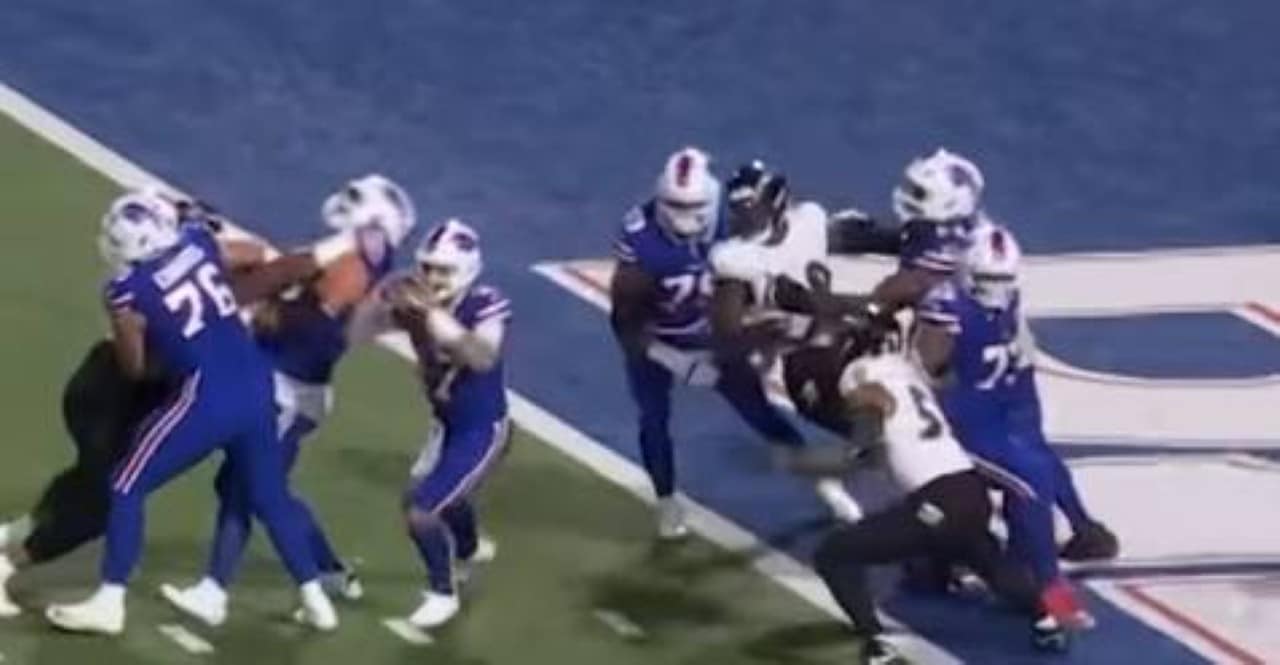
However, the real percentage may be even more significant, since 643 of the dead athletes did not have their brains subjected to examinations. Dr. Daniel Daneshvar, one of the research coordinators, said the 25% projection is “low,” and the maximum prevalence of CTE could reach 97%, with the true rate being “somewhere in between.” The Brittish Medical Journal plans to release a new study in the coming months that aims to estimate the overall incidence of CTE among all NFL players at the time of death, which is crucial to understanding the extent of the health problem in the league.
“We know the cause of this condition,” said Daneshvar, referring to the neurodegenerative disease. He added that there is “complete control over the risk”, and understanding its breadth is key to “mitigating and decreasing this risk”. The expert argues that banning American football with tackles for children and removing physical contact from training can reduce the risk of developing CTE without changing the essence of the sport, proposing practical prevention measures.
Through an official statement, the NFL stated that it “continuously strives to make American football safer”, including adopting strategies to reduce concussions and head collisions. The league emphasized its commitment to ensuring that the NFL community has access to a comprehensive set of resources aimed at enhancing the mental and physical well-being of athletes.
That same week, the NFL and NFL Players Association (NFLPA) reported on the launch of the Behavioral Health Network (BHN). The goal of this initiative is to expand access to mental health services for active and retired players, offering full cost coverage without any co-payment.
Regarding the research, the NFLPA released a statement stating that the “study is a reminder that makes us reflect seriously” on the dangers inherent in American football, the consequences of which can be long-lasting for athletes and their families. The association’s document highlights that the conclusions of the scientific work should “serve as a call to action across the entire American football ecosystem”, highlighting the joint responsibility to improve research, facilitate access to care, develop effective therapies and support those impacted by the sport’s long-term effects.





