

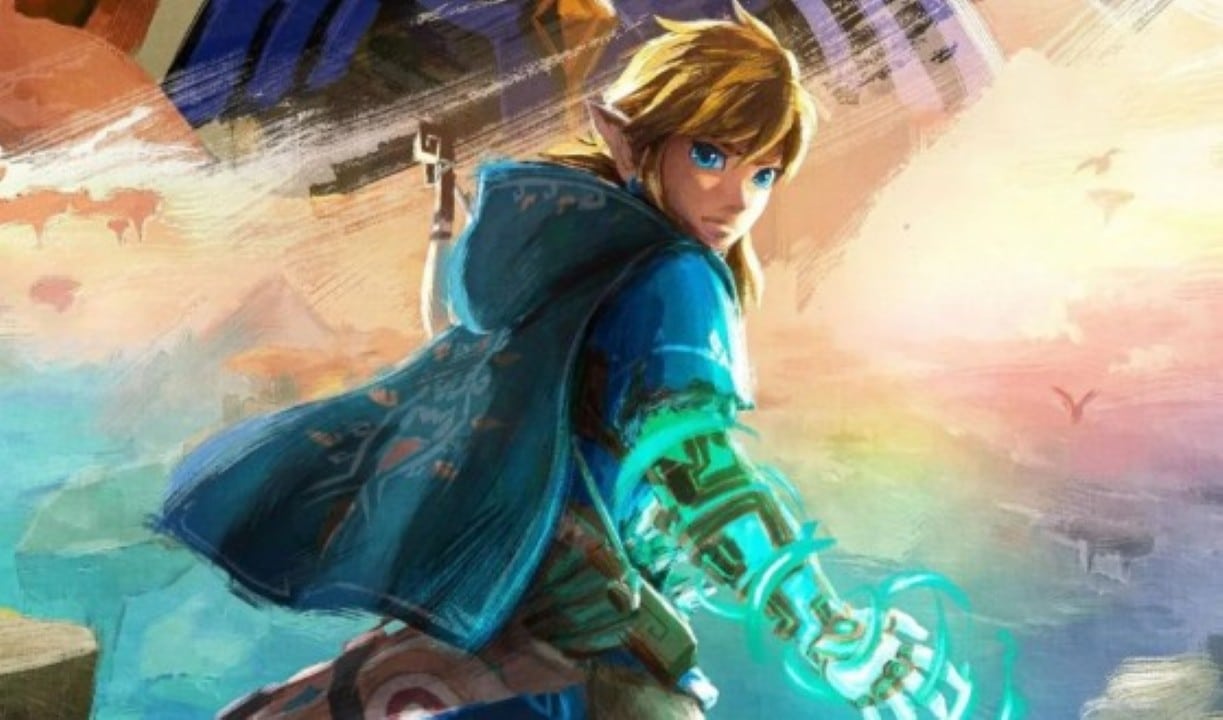
Japanese giant Nintendo is fine-tuning the final details to bring its next generation of video games to the global market, marking the end of the life cycle of its current device, the Switch, which has surpassed the mark of 139 million units sold since 2017. To ensure an immediate impact, the company revealed that the new hardware will hit stores accompanied by a total recreation of The Legend of Zelda: Ocarina of Time, considered by critics and gamers as one of the most important milestones in the history of digital entertainment. This commercial tactic seeks to combine the brand’s strong nostalgic appeal with technological innovations, capturing both veterans who grew up with the franchise and an unprecedented consumer base.
The initial batch of sales will bring a commemorative edition of the equipment, in addition to ensuring that the entire collection of games from the predecessor platform works perfectly on the first day. This smooth transition strategy was designed to not fragment the user community, keeping the company’s financial engagement and profit rhythm intact during the generational change.
『제르다의 시대의 오카리나』의 메자리메이크특,
(소스:https://t.co/Isv8LRAJxQ) pic.twitter.com/NQfhSRF9CE
—चर्चाफिल्म (@चर्चाफिल्म)2026년 3월 27일
Successful hybrid design and portable display specifications
The highly anticipated device maintains the dual-use philosophy that revolutionized the industry, allowing users to game both on the go and while connected to a high-definition television in the living room. For the built-in screen, the manufacturer opted for an 8-inch LCD panel, a technical decision that aims to control manufacturing costs and deliver a product with a competitive price on the shelves, avoiding passing on drastic increases to the end consumer.
Internally, the leap in performance is driven by a customized processor, created in partnership with a leader in the semiconductor sector, which promises to reduce the graphics gap to desktop competitors. The great asset of this chip is the integration of an upscaling technology powered by artificial intelligence, capable of multiplying the resolution of images when the device is on the base, which will make life immensely easier for partner studios when adapting heavy titles without compromising visual fidelity.
How the 1998 classic was rebuilt for the new generation
The modernization project for the legendary Nintendo 64 title strictly respects the original story and dungeon exploration structure, but discards any reuse of old code in the visual aspect. The software engineering team is using a cutting-edge graphics engine to model each character, design new high-definition textures, and implement a dynamic lighting system that completely transforms the atmosphere of the kingdom of Hyrule.
- Take full advantage of new processing power to deliver detailed scenes and realistic weather effects.
- Replacement of the old synthesized audio tracks with a monumental soundtrack, recorded entirely by a symphony orchestra.
- Complete redesign of the user interface and menus, adapting commands to the ergonomic standards of contemporary controls.
In addition to the aesthetic appearance, the developers applied crucial refinements to the aiming system and the fluidity of combat, making the gameplay much more agile without sacrificing the complexity of the puzzles that defined the work. Thanks to the read speed of the new internal storage, the old loading screens between map areas have been virtually eliminated, offering seamless immersion that fans in the 1990s only dreamed of.
Library transition and how backwards compatibility works
To convince the public to invest in new hardware, the company needed a foolproof plan that protected purchases already made by customers. Confirming that the system is fully backwards compatible means that both physical cartridges and digital licenses purchased from the current virtual store will run natively, ensuring that the video game is born with a catalog of thousands of playable options.
The new console’s operating system was programmed to apply image improvement filters and stabilize the frame rate per second automatically, making old games run at higher quality without requiring updates from the original creators. In the physical aspect, the format of the cartridges underwent a slight design modification to avoid incorrect insertions, but the reading compartment was designed to perfectly accept both generations of media.
In the case of the digital ecosystem, data migration will be centralized in the unified Nintendo account. All purchase history, friends list and save files stored in the cloud will be transferred invisibly to the user, saving the user the hassle of reconfiguring profiles and ensuring that brand loyalty is rewarded with extreme convenience.
Logistical preparation to avoid shortages of products in stores
Learning from the supply crisis that affected the launch of the PlayStation 5 and Xbox Series X during the pandemic, the Japanese company ordered its assembly lines to operate at maximum capacity months in advance. The supply chain was strategically diversified to ensure sensitive components such as lithium batteries and memory chips, maintaining a constant pace of production in partner factories located on the Asian continent.
Projections indicate that the initial volume of devices manufactured will break all of the corporation’s internal records. With distribution warehouses already receiving stocks around the planet, the bold goal is to make a simultaneous debut in all highly relevant markets, using a complex logistics network that mixes maritime transport and air cargo routes so that no one is left without the product on launch day.
Support from external studios and robust release calendar
The user-friendly architecture of the new equipment has already won the favor of large global producers, who now have simplified tools to convert their high-budget games without the old technical barriers. Direct compatibility with the most popular graphics engines on the market drastically reduces development time and costs, resulting in a release schedule for the first year that already has the commitment of giants from the West and East, consolidating the platform’s strength in the competitive digital entertainment scenario.




