
Nintendo prepares new generation of consoles with recreation of Zelda Ocarina of Time

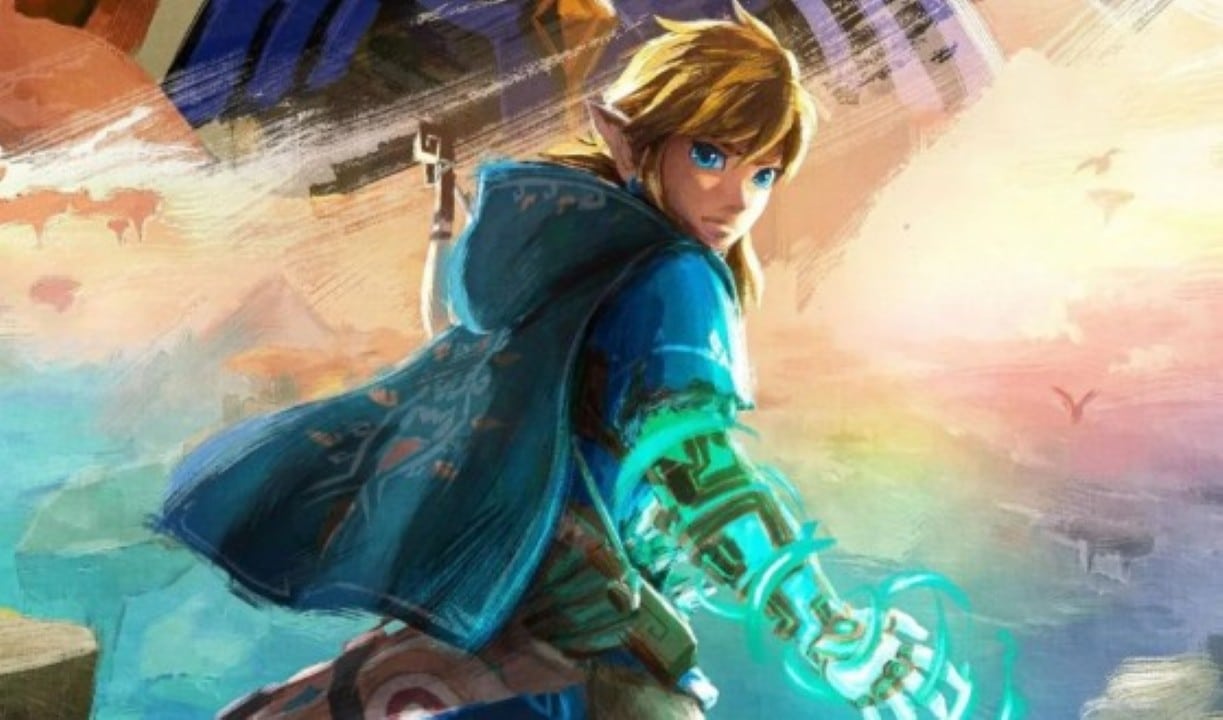
The Japanese digital entertainment giant is fine-tuning the final details to reveal its next hardware to the world. This future equipment represents the company’s definitive leap into a new technological era, replacing the current cycle of success. To boost initial sales, the company is betting on a complete recreation of The Legend of Zelda: Ocarina of Time, the legendary 1998 title that boasts an impressive and unbeatable 99 rating on the Metacritic aggregator. The commercial strategy aims to immediately hook the nostalgic fan base while presenting a historical masterpiece to the new generation of gamers.
The first batch of the device will hit shelves with a special themed edition, designed exclusively to celebrate the return of the classic hero Link’s journey. In addition to its aesthetic appeal, the video game will be born with full support to run the immense game library of its predecessor, which surpassed the mark of 139 million units sold globally. Market analysts point out that this union between a major launch and the preservation of the digital collection will be the great asset to accelerate the adoption of the system in the opening weeks.
『제르다의 시대의 오카리나』의 메자리메이크특,
(소스:https://t.co/Isv8LRAJxQ) pic.twitter.com/NQfhSRF9CE
—चर्चाफिल्म (@चर्चाफिल्म)2026년 3월 27일
Screen specifications and maintaining the hybrid format on new hardware
The manufacturer decided to maintain the visual and functional identity that defined its last decade of success, allowing consumers to switch between portable gaming and the television experience. The integrated display will adopt an 8-inch LCD panel, representing a significant increase compared to the 6.2 and 7-inch displays present in previous versions. The preference for this liquid crystal technology, leaving aside the coveted OLED standard, highlights a rigorous tactic of containing manufacturing costs to guarantee a competitive retail price.
Internally, processing will be carried out by a customized chip, designed in partnership with one of the global giants in the semiconductor sector. The highlight of this new component is the presence of cores focused on artificial intelligence, capable of intelligently resizing the image when the console is docked. This performance gain brings the video game closer to current graphics standards and simplifies the lives of studios that plan to bring more demanding titles to the system.
How the modern graphics engine transforms the classic Hyrule adventure
Zelda’s modernization work keeps intact the narrative and ingenious puzzle design that shaped three-dimensional action games, but discards any trace of the original code. The team responsible for the recreation used state-of-the-art tools to sculpt each character model, texture and scenery from scratch. A fully dynamic lighting system now interacts realistically with the landscapes of the kingdom of Hyrule, delivering a level of visual fidelity never before seen in the franchise.
- Take full advantage of the new processor to load vast areas of exploration without waiting screens.
- Replacement of old musical arrangements in MIDI format with a majestic soundtrack recorded with a real orchestra.
- Modernized user interface and button mapping adjusted to contemporary ergonomic standards.
The developers also implemented specific adjustments to combat mechanics and the map location system, removing old technical limitations without reducing the challenge characteristic of temples. The fluidity of the action received special attention, ensuring an unwavering frame rate per second during the most intense confrontations. Thanks to these quality of life improvements, the journey takes on a much more agile pace and is perfectly aligned with the expectations of the modern public.
Library transition and how native backward compatibility works
One of the biggest fears of the gaming community during generation changes is the possible loss of money invested in old games. To reassure fans, the company assured that the next video game will read both physical cartridges and digital files purchased from the previous platform’s store. In practice, this ensures that the device reaches the market with thousands of entertainment options from the first minute, breaking the common cycle of lack of launches in the initial months of a console.
The operating system of the new machine has automatic algorithms that improve the sharpness and stabilize the performance of past works, offering technical survival to the already established catalogue. The physical media reader is designed to identify older formats without requiring time-consuming updates over the internet. At the same time, virtual game licenses are validated in a matter of seconds as soon as the owner enters his login and password on the network.
The entire online infrastructure was restructured to unify the consumer’s history in a transparent way. Essential data, such as the list of friends added, achievements unlocked and save files saved in the cloud, automatically migrate to the new digital environment. This frictionless continuity eliminates bureaucratic barriers and strengthens player loyalty to the Japanese brand’s ecosystem.
Logistics strategies to avoid empty shelves at global launch
To escape the nightmare of stockouts and scalpers that have plagued the technology industry recently, assembly lines in Asia have been operating at full capacity for months. The company has expanded its supplier network to ensure that vital components such as memory modules and lithium batteries reach factories without any disruption. This robust logistical planning serves as a shield against constant fluctuations and crises in the international parts market.
The volume of devices manufactured for the launch window already breaks all of the corporation’s internal records. Distribution warehouses located on multiple continents are being supplied through a complex web of sea and air transport. The focus of this true war operation is to ensure that retailers in the main regions of the world have enough units to sustain a simultaneous launch, without bottlenecks or delays in deliveries.
User-friendly architecture attracts massive support from partner studios
The ease of programming the new hardware became a decisive differentiator in attracting both independent creators and giants in the sector. Native support for today’s most popular graphics engines drastically shortens the time and budget needed to adapt games from other platforms. As a reflection of this open door policy, the console’s first year calendar already features ambitious projects from Western and Eastern studios, paving a solid path in the fierce games market.





