
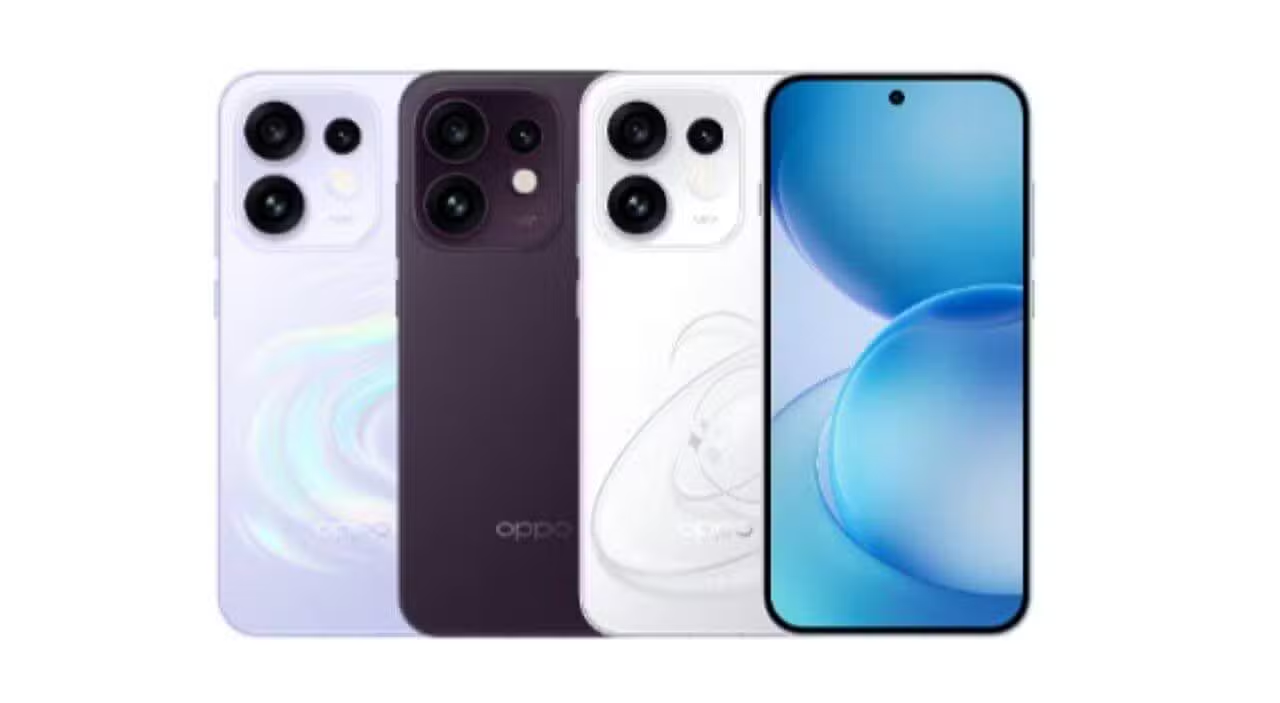
The recently announced Oppo Reno 16 arrives in the mobile devices sector proposing a paradigm shift in the race for pocket-sized artificial intelligence. Unlike brands that limit the consumer to a single virtual assistant, the Chinese manufacturer bets on an open ecosystem, bringing giants such as ChatGPT, Gemini and Perplexity into one place. The company’s goal is to transform the telephone into a highly adaptable tool, capable of delivering varied responses to the daily needs of those who use it.
The great asset of this new device lies in the architecture called AI Mind Pilot, a hub that centralizes different generative engines and can be activated immediately using a physical key, the AI Snap Key. This hardware facility puts computing power literally at your fingertips, allowing the owner to compose emails, search for complex information, summarize documents and manage tasks without having to open a dozen separate applications.
By adopting this stance, the model gains momentum to compete for space in a segment currently dominated by the restricted ecosystems of giants such as Apple and Samsung. Instead of spending billions creating an assistant from scratch that would captivate the customer, the Asian brand preferred to embrace the most efficient algorithms on the current market, guaranteeing freedom of choice. In practice, this movement helps to popularize advanced tools and encourages a beneficial technological dispute, driving the creation of smarter software for the mobile environment.
How the physical key and the intelligent system transform the usability of the device
The real software magic happens behind the scenes with AI Mind Pilot, which works like a deep-rooted neural layer in the phone’s operating system. The purpose of this interface is to democratize access to complex algorithms, saving the consumer the trouble of testing several applications to discover which virtual robot best solves their specific problem at that moment.
All this digital orchestration is controlled by the AI Snap Key, a tactile switch positioned on the side of the chassis, designed exclusively to invoke the assistants. The piece of hardware was programmed to recognize different touch patterns, delivering different results depending on the pressure exerted:
- One quick click: immediately wakes up the conversation engine to answer quick questions, create short texts or carry out simple everyday orders.
- Two clicks in a row: triggers screen reading, allowing the algorithm to analyze images or texts that are being displayed and suggest actions based on this visual context.
- Long press: opens the complete neural control panel, providing access to advanced settings and detailed menus for each integrated generative platform.
The philosophy behind this design is to turn consulting algorithms into a habit as automatic as turning up the music volume or locking the screen. The manufacturer hopes that, by removing software barriers, generative technology will no longer be a big deal and will organically integrate anyone’s routine, regardless of their level of technical knowledge.
The unprecedented union between the main generative engines on the market
The most striking thing about the software interface is the ability to merge the world’s most famous digital brains into a unified screen. The cell phone owner does not need to swear loyalty to a single technology company, gaining the freedom to move between services to take advantage of what each one does best.
ChatGPT, from OpenAI, shines when it comes to maintaining natural dialogues, writing formal texts and structuring creative ideas. Gemini, powered by Google’s infrastructure, offers exceptional data reading and communicates perfectly with the search giant’s cloud services. Completing the triad, Perplexity acts as a relentless researcher, scouring the internet in real time to deliver accurate answers and always accompanied by the original sources.
By placing these three giants under the AI Mind Pilot umbrella, the system allows the user to confront answers and choose the most appropriate approach for their project. More than that, the software creates a short-term memory that retains the context of conversations, allowing the algorithms to learn the tone of voice and preferences of the device owner over the weeks.
This business model represents a shift in the way the industry views the generative revolution. Instead of pushing the envelope with its own virtual assistants that often deliver average results, the Asian company transformed its hardware into a true productivity Swiss Army knife, placing total control in the hands of the consumer.
The software and hardware improvements that come with the ColorOS 16 interface
To support this neural processing load, the launch arrives running ColorOS 16, the latest modification of Android developed by the brand itself. The operating system update was entirely designed to maximize work efficiency, cleaning up visual clutter from the screen and introducing smart shortcuts that anticipate the needs of the person typing.
Under the hood, the smartphone is powered by the Snapdragon 7 Gen 4 processor. Although it is a chip classified for the premium mid-range segment, it features a Neural Processing Unit robust enough to run complex tasks locally, proving that the industry is democratizing access to artificial intelligence without requiring the purchase of devices that cost small fortunes. This harmony between the physical components and the system code ensures that commands are processed without bottlenecks or crashes.
Another highlight of the new graphical interface is the introduction of Live Space, a dynamic area on the screen that intelligently reorganizes urgent notifications. The feature works as a floating control panel, displaying flight status, meeting reminders and application alerts in the background, saving the user from opening and closing windows all the time.
The goal of this visual redesign is to ensure that navigation is as fluid as possible, delivering the exact information in the millisecond it is needed.
Automated tools designed to simplify routine
The cell phone’s suite of innovations also includes native applications focused on solving common headaches. An excellent example is the automated financial manager, which reads receipts, organizes invoices and creates monthly expense spreadsheets autonomously, helping the owner to maintain their financial health effortlessly.
Those who frequently travel abroad will benefit from the built-in universal translator, which uses the camera to decode signs and menus instantly. The feature goes beyond text and can interpret two-way audio conversations, transforming the phone into a pocket interpreter capable of breaking language barriers anywhere in the world.
In the corporate environment, the intelligent voice recorder promises to be the most used tool. The application listens to entire meetings, transcribes the audio separating each participant’s speeches and, at the end, generates a summary in topics with the most important decisions, eliminating the need to make manual notes.
The practical application of these functions makes it clear that the manufacturer is not just surfing the technological marketing wave. The proposal is to deliver utilities that really save time and mental energy on day-to-day bureaucratic tasks.
How the manufacturer guarantees data protection during neural processing
With algorithms reading emails, listening to meetings and analyzing photos, fear of data leaks has become the main barrier to adopting these technologies. Knowing this, the Asian automaker built a digital protection wall around its new ecosystem to ensure that personal information does not fall into the wrong hands.
The backbone of this defense is a private computing cloud, structured to isolate data packets before they leave the device. When a request requires external processing, the system applies heavy layers of end-to-end encryption, ensuring that not even the company’s servers can read the content of the searches.
To protect what is stored locally, the brand’s engineering team developed a security lock embedded directly into the processor’s silicon. This hardware vault prevents malicious applications from accessing the conversation history with virtual robots, keeping the system integrity intact.
This level of cybersecurity protection is fundamental in the current scenario, as mobile devices have become true digital safes that store everything from bank passwords to industrial secrets and intimate conversations.
The impact of this strategy on the future of the mobile device industry
The launch of this model marks an inflection point in the way the industry views pocket computing. By placing strong rivals operating in harmony within the same chassis, the manufacturer proves that the future of technology does not need to be a prison within closed and limiting ecosystems.
Combining a dedicated physical shortcut with a lean operating system creates an unprecedented user experience. The fluidity with which translations and summaries occur shows that the hardware has finally reached the level of maturity required by modern algorithms.
If sales confirm the public’s interest in this freedom of choice, the market could witness a drastic change of direction. Silicon Valley and South Korean giants may be forced to abandon their protective walls and open up their systems, turning the smartphone war into a contest to see who delivers the best integration, not just the best proprietary assistant.