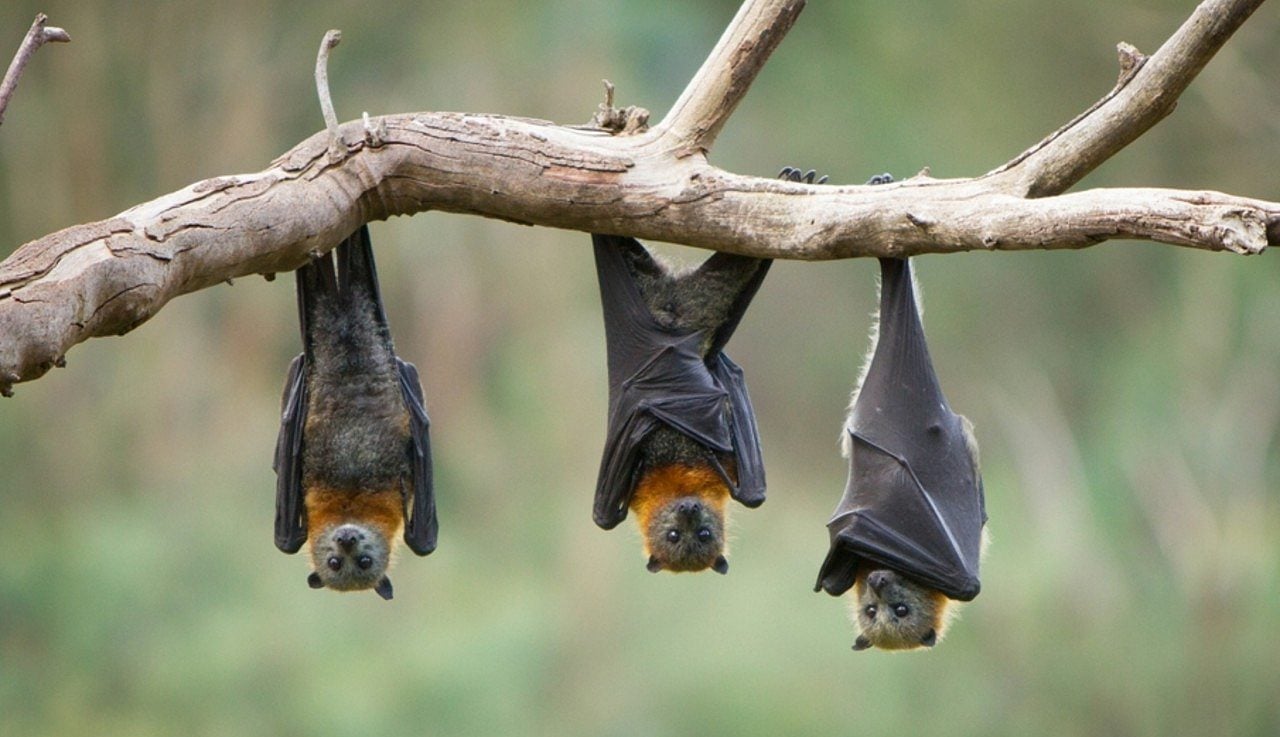
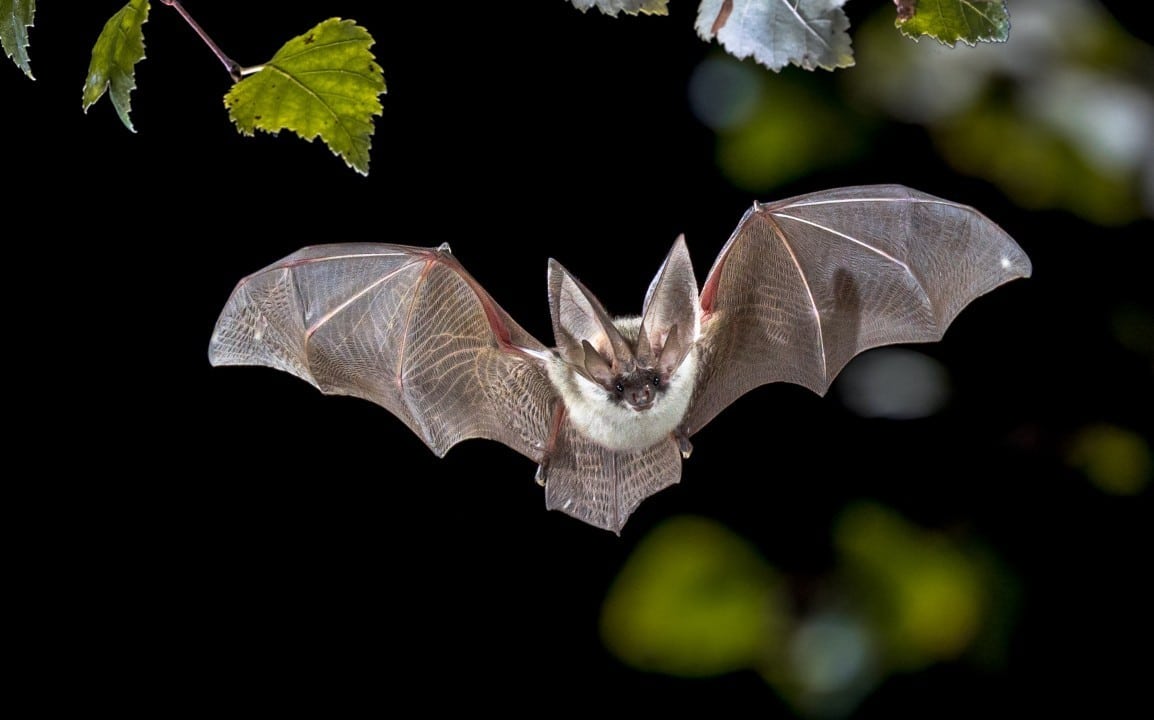
A scientific coalition led by researchers at Tulane University, in conjunction with Stanford University and the Centers for Disease Control and Prevention (CDC), has mapped a novel biological trait in the animal kingdom. Published in the journal Science Advances on August 28, 2026, the genetic survey proved that evening bats have a dual mechanism for manufacturing antibodies. This unique cellular architecture allows these flying mammals to tolerate extreme viral loads without manifesting severe clinical symptoms. The identification of this evolutionary trait resolves a historical gap in biology and alters academic understanding of vertebrate natural defenses.
For decades, infectious disease experts have tried to decipher why certain wild species serve as perfect reservoirs for lethal pathogens. The answer found in bat genetics demonstrates a structural complexity that surpasses traditional immunological models based on rodents and primates. DNA sequencing revealed that adaptation occurred silently over millions of years of evolution, ensuring the group’s survival in highly hostile environments full of infectious agents.
The genetic engineering behind the production of defense proteins
To understand the magnitude of the discovery, it is necessary to observe the microscopic anatomy of the defense molecules. Conventional antibodies operate with a structure similar to the letter Y, relying on two heavy and two light protein chains to bind to invaders. In humans and all other mammals cataloged to date, the instruction to manufacture the heavy part of this protein comes from a single block of genes.
The scenario changes drastically when the genetic material of evening bats is put under the microscope. The team of experts identified that these animals carry two independent and functional systems dedicated exclusively to the production of heavy chains. This genetic redundancy works like a parallel cellular weapons factory, exponentially multiplying the organism’s ability to recognize, neutralize and memorize different types of microscopic threats simultaneously.
Hannah Frank, associate professor of ecology and evolutionary biology at Tulane University’s School of Science and Engineering, coordinated the analyzes and highlighted the novelty of the situation. The researcher reported that modern biology had never documented a similar configuration in any other representative of the mammal class. According to the academic, the finding forces science to rewrite the manuals on the structural organization of the immune system and provides a new way to investigate the longevity and resistance of the species.
The leap from innate immunity to adaptive cellular memory
The history of virological research focused on wild animals has always prioritized the so-called innate immunity. This mechanism acts as a primary shield, generating rapid and generalized responses, such as inflammation and fever, in the first moments of an infection. However, the new scientific publication redirects the spotlight from laboratories to adaptive immunity, which is the sector of the body responsible for creating tailored defenses and maintaining a memory archive against past infections.
The transition in methodological focus represents a milestone in the way biologists view viral tolerance. Frank pointed out that the dual gene system is a central piece of the evolutionary puzzle, offering a tangible explanation for the efficiency of immunological memory in these hosts. The ability to generate such a wide range of specific antibodies prevents viruses from multiplying to the point of causing organ failure, keeping the pathogen under strict control.
Even with the significant advances provided by genetic sequencing, the study authors maintain scientific caution. The Tulane University professor recognizes that genetic duplicity does not answer all questions about the dynamics between host and pathogen. However, the revelation of hidden immunological diversity sets unprecedented benchmarks for future scientific expeditions and bench tests.
Ecological relevance and global interest in public health
The choice of evening bats as the object of study did not occur by chance. They form the most numerous and diverse family of bats on the planet, encompassing more than 500 distinct species. This immense biological variety has managed to adapt and thrive in practically all terrestrial ecosystems, being present on all continents, with the sole exception of the icy plains of Antarctica.
The reproductive success and territorial expansion of these animals are closely linked to the vital functions they perform in nature. The constant interaction with different environments exposes the species to an infinite catalog of microorganisms, requiring a robust defense system. The environmental impact of these mammals can be observed on several fronts that are essential for the balance of the planet:
- They act as primary pollinating agents for hundreds of plant species in tropical and temperate forests.
- They guarantee the dispersion of seeds across vast territorial extensions, promoting the natural reforestation of degraded areas.
- They operate as biological insect controllers, drastically reducing the need for chemical pesticides in agriculture.
- They function as natural hosts for a wide variety of viral agents, maintaining wild microbiological balance.
The impact of animal sequencing on human medicine
The active participation of the Centers for Disease Control and Prevention (CDC) in the project highlights the importance of the discovery for human preventive medicine. Understanding exactly how a mammal manages to harbor dangerous viruses without developing destructive inflammatory conditions is the first step towards creating new therapies. The long-term goal is to translate this biological knowledge into treatments that can modulate the immune response of human patients during severe epidemics.
The standard model of medical research has spent decades relying almost exclusively on observation of laboratory mice and clinical trials with human volunteers. While this approach has yielded vital vaccines and treatments, it has limited scientists’ vision of the architectural possibilities of the immune system. Nature, with its billions of years of evolutionary trial and error, harbors biological solutions that are much more sophisticated than those created in controlled environments.
The conclusion of the scientific consortium reinforces the need to expand the scope of molecular biology to unconventional species. Each animal that has followed an isolated evolutionary path carries a unique survival manual in its DNA. By decoding the dual antibody system of evening bats, science not only solves a zoological mystery, but also acquires conceptual tools that could, in the future, protect humanity against emerging viral threats.