
US jury fails to reach consensus on conviction of Lindsay Clancy in case of death of her three children

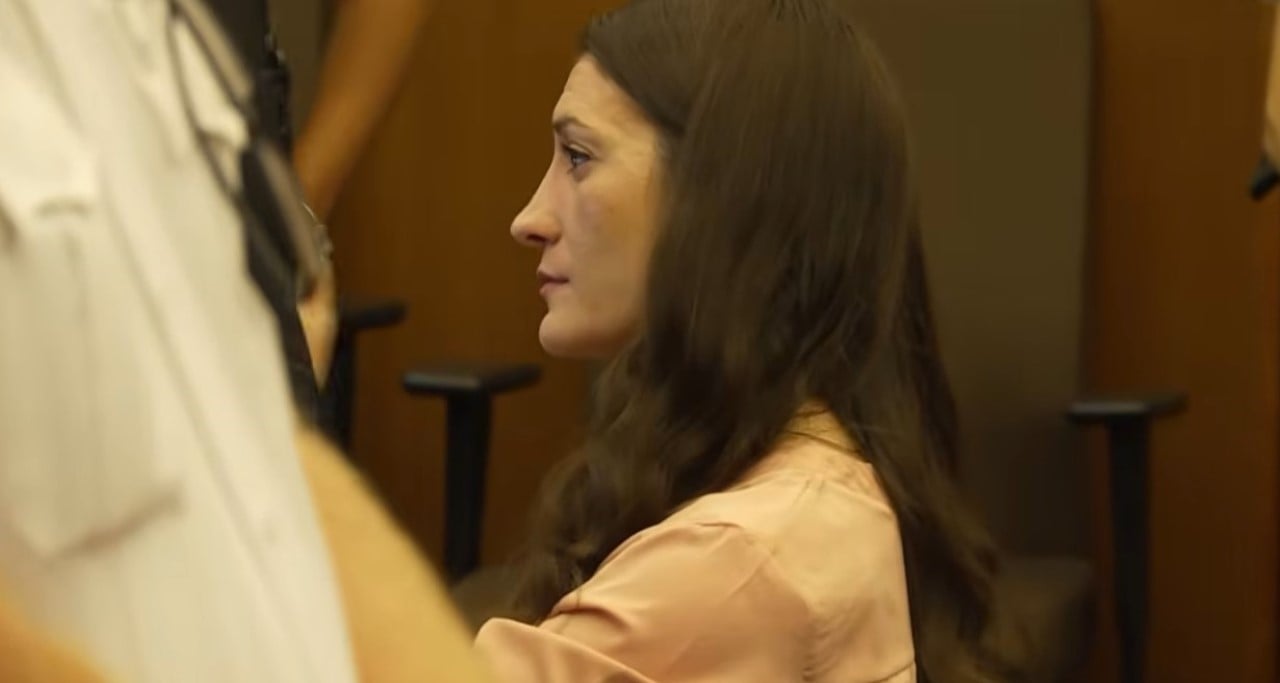
The jurors responsible for the case of Lindsay Clancy, the American nurse accused of murdering her three children, told the judge that they were unable to reach a unanimous decision on the conviction. The declaration of impasse was made on September 1, 2026, during the fourth day of deliberations. The trial, which began approximately two months ago, focuses on determining the defendant’s mental state at the time of the crimes.
Clancy’s defense maintains that the former obstetric nurse suffered from postpartum psychosis, a severe psychiatric disorder. This disorder, considered rare, is often associated with high levels of stress, sleep deprivation and intense hormonal changes that occur after childbirth.
The controversy over the defendant’s mental state
The defense’s main line of argument is to convince jurors that Lindsay Clancy was not fully responsible for her actions due to her psychiatric condition. They do not deny that Clancy suffocated his children, but focus on his mental capacity for discernment during that period. The Prosecutor’s Office, in turn, has the burden of proving, beyond any reasonable doubt, that the defendant acted with intent and premeditation in taking the lives of Dawson, aged 3, Cora, aged 5, and Callan, aged 8 months, in January 2023. The prosecution argues that she should be held criminally responsible for the deaths.
Impact of the case on the debate on postpartum mental health
Lindsay Clancy’s trial gained national prominence in the United States, driving a crucial discussion about psychosis and other mental health disorders that can affect women in the postpartum period. Women’s support groups demonstrated outside the court, highlighting the importance of greater attention and understanding regarding maternal mental health. The case sheds light on the complexity of these disorders and the need for adequate support for new mothers.
The five outcome options for the verdict
Jurors have five possible paths to a verdict, each with different legal implications for the defendant. Plymouth Superior Court Judge William Sullivan instructed jurors to continue the deliberative process until they reach a conclusion.
- Innocent:Although the defense admits the acts of asphyxiation, Massachusetts law requires the Prosecutor to prove the defendant’s responsibility at the time of the murders. An acquittal without mention of mental insanity is considered unlikely.
- Not guilty by reason of insanity:This is the main thesis of the defense. If jurors conclude that Clancy, despite having committed the acts, suffered from postpartum psychosis that prevented her from being held accountable, she could be found not guilty. State law allows for compulsory hospitalization for treatment in cases of lack of criminal responsibility due to insanity.
- First-degree intentional homicide:In the American legal system, this conviction implies that the act was intentional and premeditated, or committed with extreme cruelty. It is the most serious outcome for Clancy, resulting in life in prison without the possibility of parole under Massachusetts law.
- Second-degree intentional homicide:This classification applies to a homicide committed with intent or extreme recklessness, but without prior planning. In such a scenario, the defendant would be sentenced to life in prison, with the possibility of parole after a period.
- Manslaughter:The jury may find that the crime occurred as a result of “reckless or reckless conduct” but without the direct intent to cause death. This outcome is possible if jurors are convinced that the murders were not planned, but rather the result of an impulsive decision.
Developments and expectations for the final decision
With the impasse, the expectation is now that the jury’s deliberations will extend. The case continues to generate great repercussion, not only because of the tragic details, but also because of the legal and social complexity that involves mental health in the context of motherhood. The search for a unanimous verdict continues, with Lindsay Clancy’s future dependent on jurors’ final analyzes of her mental condition and the circumstances of the crimes.





