Incorrect use of car seats worsens child injuries in accidents By Beatriz
3 min read
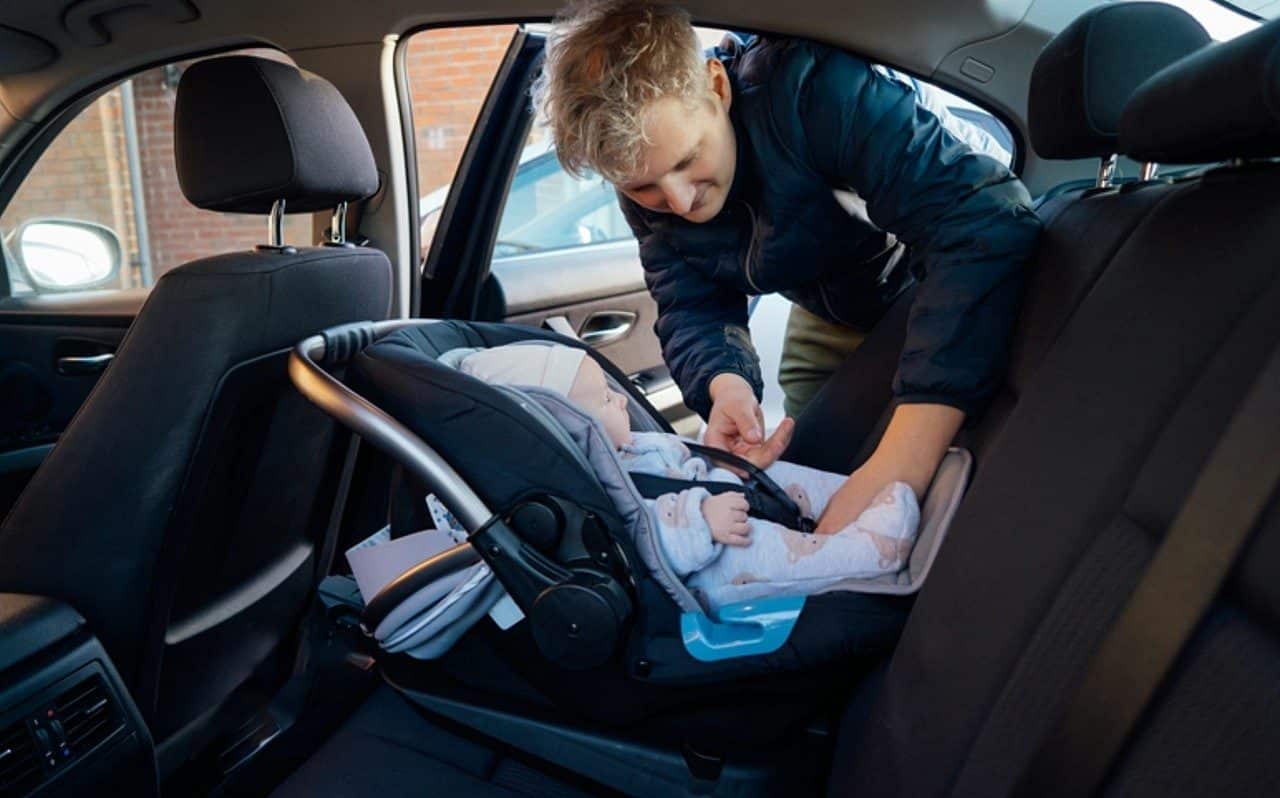 |
More than half of children who were injured in car accidents were not using any type of safety device or were using a system that was inappropriate for their age, height or weight. This is the main conclusion of a study conducted by researchers at the Ohio State University School of Medicine, in the United States.
The investigation also indicated that the incorrect use or absence of car seats, booster seats and seat belts was directly linked to the greater severity of injuries to children involved in traffic collisions.
“Many families are still not using car seats, booster seats and seat belts correctly,” said Gretchen Baker, lead author of the research and assistant professor in the School of Health and Rehabilitation Sciences. She added that “this puts children at greater risk of injury and highlights the importance of more education about the proper use of restraints.”
The work, published in the journal Traffic Injury Prevention, analyzed data from the American College of Surgeons Trauma Quality Program, covering the period from 2018 to 2022. This information bank compiles records of pediatric and adult patients treated in trauma centers throughout the United States.
The researchers selected 39,993 records of traffic accidents involving occupants aged between one and 13 years, who met the criteria established for inclusion in the analysis.
Increasing inadequacy of safety equipment as growth occurs
- Among the cases studied, 39% of children did not use any type of retention device. Another 19% used a system that was not appropriate for their age, height or weight.
- The percentage of inappropriate use increased progressively with age. In one-year-old children, the rate was 6%, reaching 39% at seven years of age. At age 13, this rate decreased to 1%.
- The percentage of children without a safety device also increased with age, ranging from 33% for one-year-old children and reaching 50% at 13 years old.
“As children get older, they are more likely to be in the wrong type of restraint device or not using one at all,” explained study co-author Julie Mansfield, associate professor in the School of Health and Rehabilitation Sciences and co-director of the Center for Child Injury Prevention Studies.
One possible explanation, according to the researcher, is that some children are transferred to booster seats or three-point seat belts before reaching the recommended age or size. Others simply stop using safety devices altogether.
Head injuries represent the majority of cases among minors
In the dataset analyzed, children suffered a total of 182,157 injuries over the five years of study. Head injuries were the most frequent, corresponding to 46% of the total, followed by injuries to the arms and legs, which accounted for 26% of cases.
Approximately 41% of children investigated had serious injuries. The survey also recorded 1,008 deaths among patients included in the analysis, highlighting the severity of the problem and the need for attention.
“The increased chances of serious injury and death among children who were improperly used or unrestrained in restraint devices underscores the critical importance of car seats, booster seats and seat belts,” Baker said, reiterating the seriousness of the findings.
For the researcher, it is crucial to expand the guidelines, especially on the right time to transition between different types of retention devices, with a special focus on older children.