The current digital entertainment market faces a significant increase in prices charged for cutting-edge hardware, such as the PlayStation 5 and Xbox Series As a reflection of this scenario, giants such as Sony applied adjustments to Brazilian shelves, a movement that was accompanied by Microsoft when passing on the high manufacturing costs to the end consumer.
Even though the current labels scare those who live on an average income in Brazil, the past of the gaming industry houses equipment that required an even more aggressive financial effort. When applying monetary correction to releases from previous decades, it becomes clear that the hobby has always had its moments of extreme luxury. A detailed survey rescues seven platforms that shocked the public due to the high investment required, showing that the figures of the past, when brought to the contemporary economy, easily surpass the scares of today.
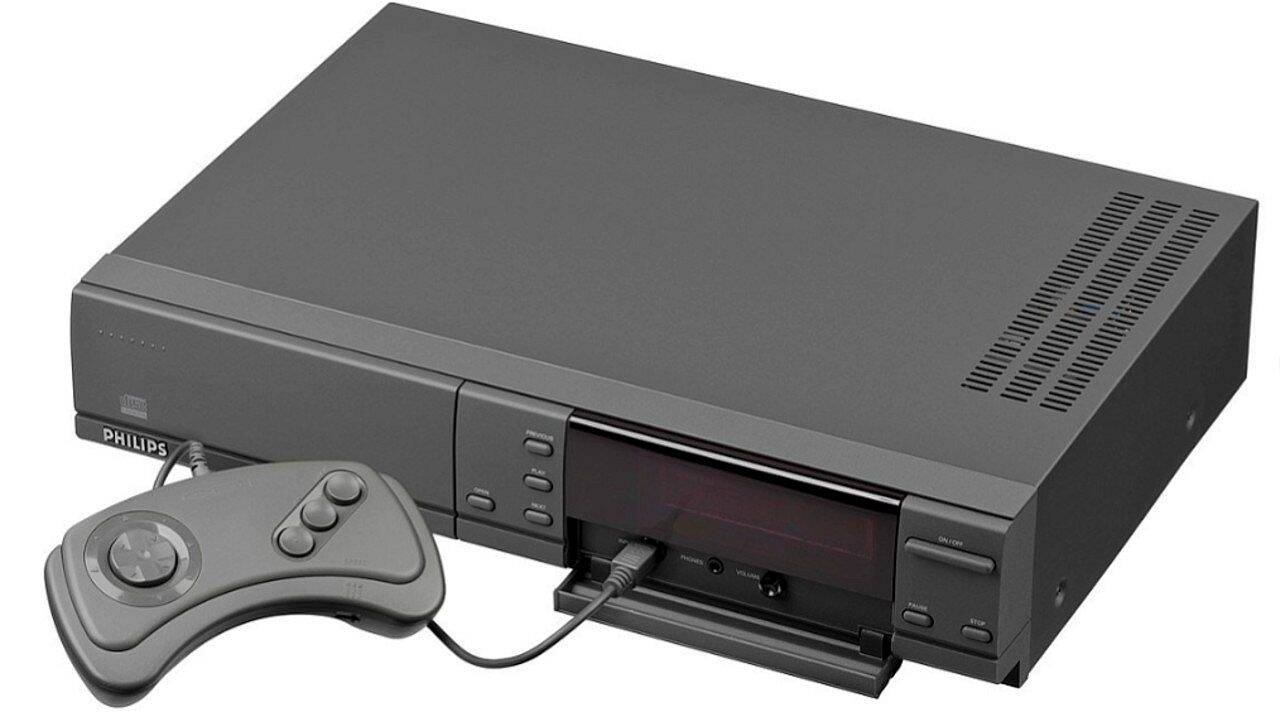
Platforms that have required the biggest investments from players over the decades
- Philips CD-i multimedia player
- Neo Geo Home Arcade System
- Panasonic 3DO Interactive Multiplayer Equipment
- Intellivision Classic Console
- Pioneer of the Atari 2600 market
- Compact Steam Machine Computer
- Enhanced version PlayStation 5 Pro
Philips’ failed attempt resulted in an unaffordable multimedia player
Placed on the shelves in 1991, the Philips CD-i required an outlay of US$799, an amount that today would be US$1,965.84 (around R$10,035.02 in current conversion). The creation of this peculiar hardware was born from the ashes of a broken agreement between Nintendo and Sony, forcing the Mario creator to seek optical disc technology from the Dutch manufacturer. Long before the popularization of DVD, the machine tried to justify its price by selling the idea of a complete media center, capable of running virtual encyclopedias, interactive films and educational materials.
The contract with the Japanese giant allowed four works using famous intellectual properties to reach the device, resulting in the infamous “Hotel Mario” and a trio of adventures from the “The Legend of Zelda” saga, all created by third-party studios. These productions went down in history in a negative way, marked by imprecise commands and animated scenes of dubious quality. Requiring an investment that today would easily exceed the barrier of R$10,000 without counting import taxes, the equipment failed to convince the public that it was worth the financial sacrifice.
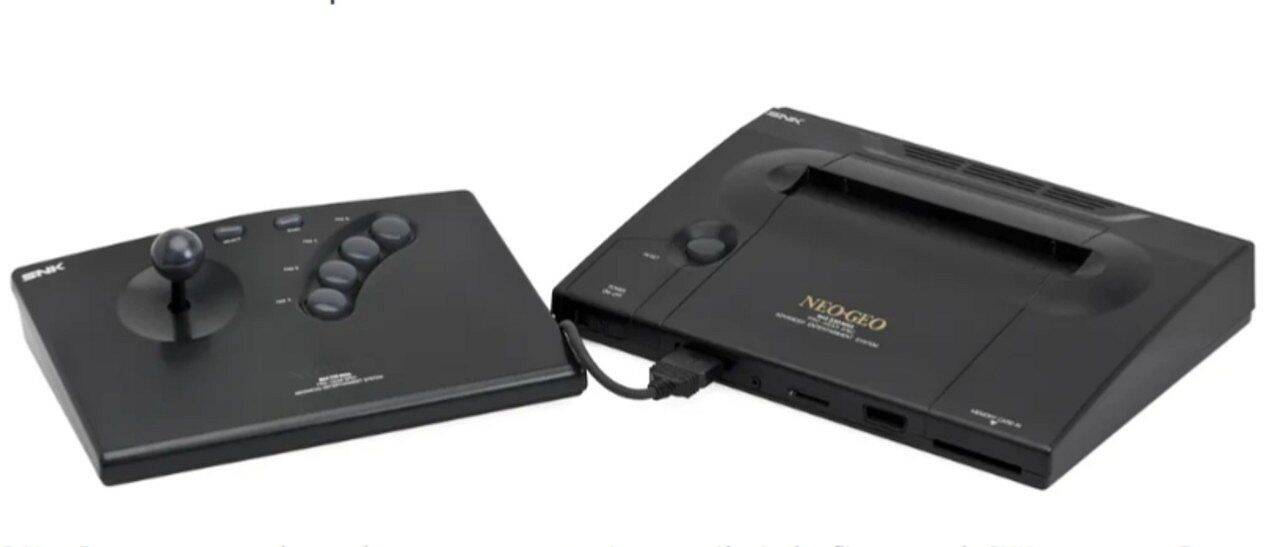
The power of arcades in the living room cost SNK fans dearly
The promise of having a genuine arcade machine at home made SNK charge US$649.99 for the Neo Geo in 1990, a figure that inflation transformed into a hefty US$1,666.97 (somewhere around R$8,509.38). Famous for hosting legendary franchises such as “The King of Fighters” and “Metal Slug”, the system did not use weakened adaptations, delivering exactly the same chips and cards found in arcade stores at the time. This robust architecture, which allowed for gigantic sprites and fluid animations unheard of for the home environment, was the main culprit for the scary label plastered on the box.
Maintaining the hobby was also a task for a few, as each cartridge cost US$199.99, a value that today would represent an absurd US$512.91 (around R$2,618.25) due to the enormous amount of ROM memory required on each tape. Despite the financial barrier, anyone who opened their wallet received a level of entertainment unmatched by any competitor of that generation. For those nostalgic for 2026, the company has prepared the launch of Neo Geo+ AES in partnership with PLAION Replai for November 12th, charging a much friendlier price of US$249.99 (approximately R$1,276.12).
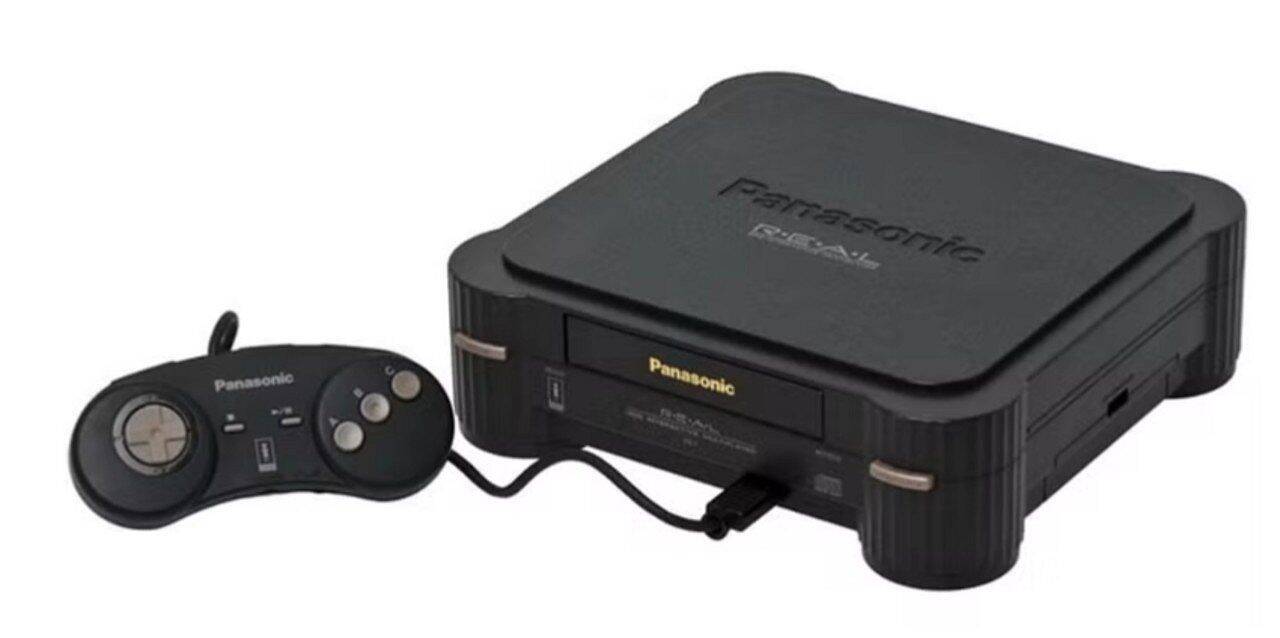
Focus on adult consumers did not save Panasonic’s multimedia project
Arriving in stores in 1993, a year before the revolution caused by the PlayStation and Sega Saturn, the 3DO Interactive Multiplayer had its most famous version produced by Panasonic. The model debuted costing US$699.99, an amount that today is equivalent to US$1,623.71 (in the range of R$8,288.55). The built-in CD player and the promise of three-dimensional worlds initially attracted attention, but the internal architecture soon proved obsolete when the true giants of the 32-bit generation dominated the market the following year.
The advertising campaign tried to justify the stab in the pocket by targeting young adults, selling the image of a sophisticated electronic rather than a simple toy. While it received praised ports of “Alone in the Dark” and “Road Rash,” as well as being the birthplace of iconic brands like “Need for Speed” and the “Gex” mascot, the overall library lacked weight. Charging the equivalent of more than eight current Brazilian minimum wages, the platform’s commercial failure became a predictable outcome for the industry.
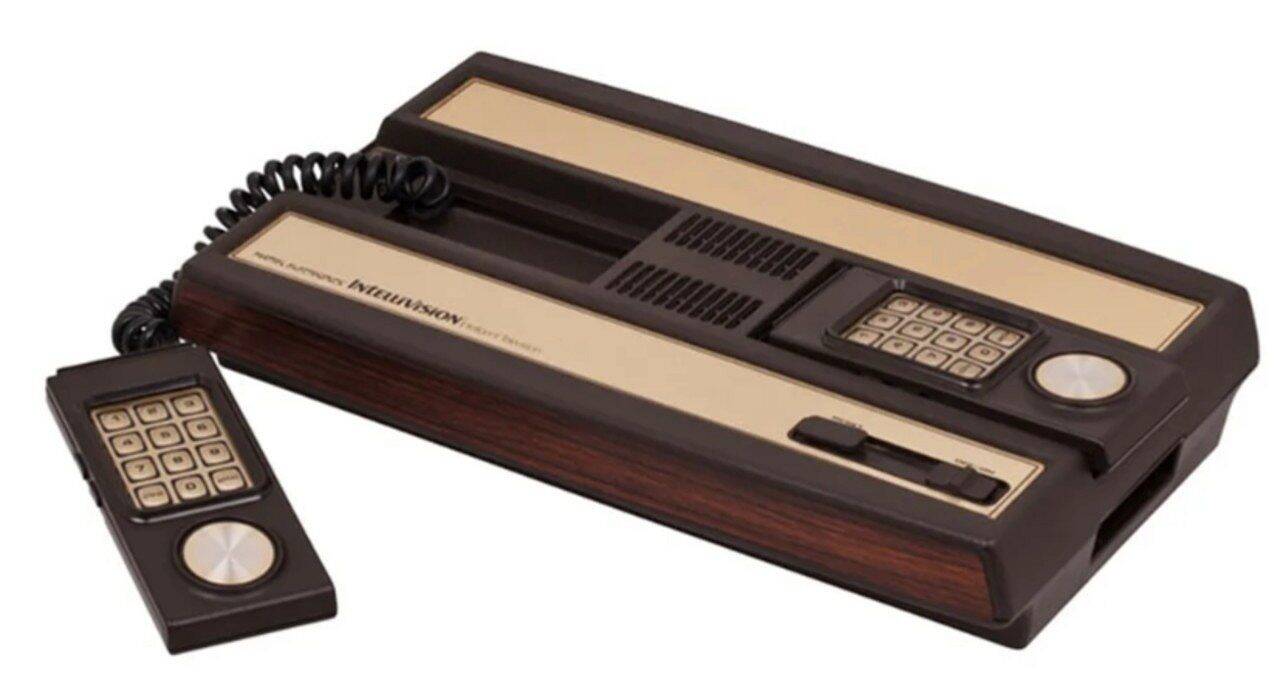
Mattel’s superior hardware demanded full wallets during the second generation
Toy manufacturer Mattel decided to enter the electronic entertainment war in 1979 with Intellivision, going head to head with Atari’s absolute dominance. To take the equipment home, the consumer needed to spend US$299, which corrected for the current economic reality would be US$1,380.50 (around R$7,047.03). The main attraction was a processor that was noticeably more competent than the rival’s, accompanied by a peculiar control with a directional disc capable of reading 16 different positions, twice the precision offered by the competition’s traditional joystick.
This extra digital muscle ensured that adaptations of hits like “Pac-Man” and “Donkey Kong” were much more faithful to the original machines, without the drastic cuts seen on the Atari system. The catalog also shined with its own complex creations, highlighting the adventures of “Advanced Dungeons & Dragons”. All this technological pioneering took its toll at the store checkout, maintaining the device’s status as a luxury item that, nowadays, would require almost fourteen hundred dollars from the family budget.
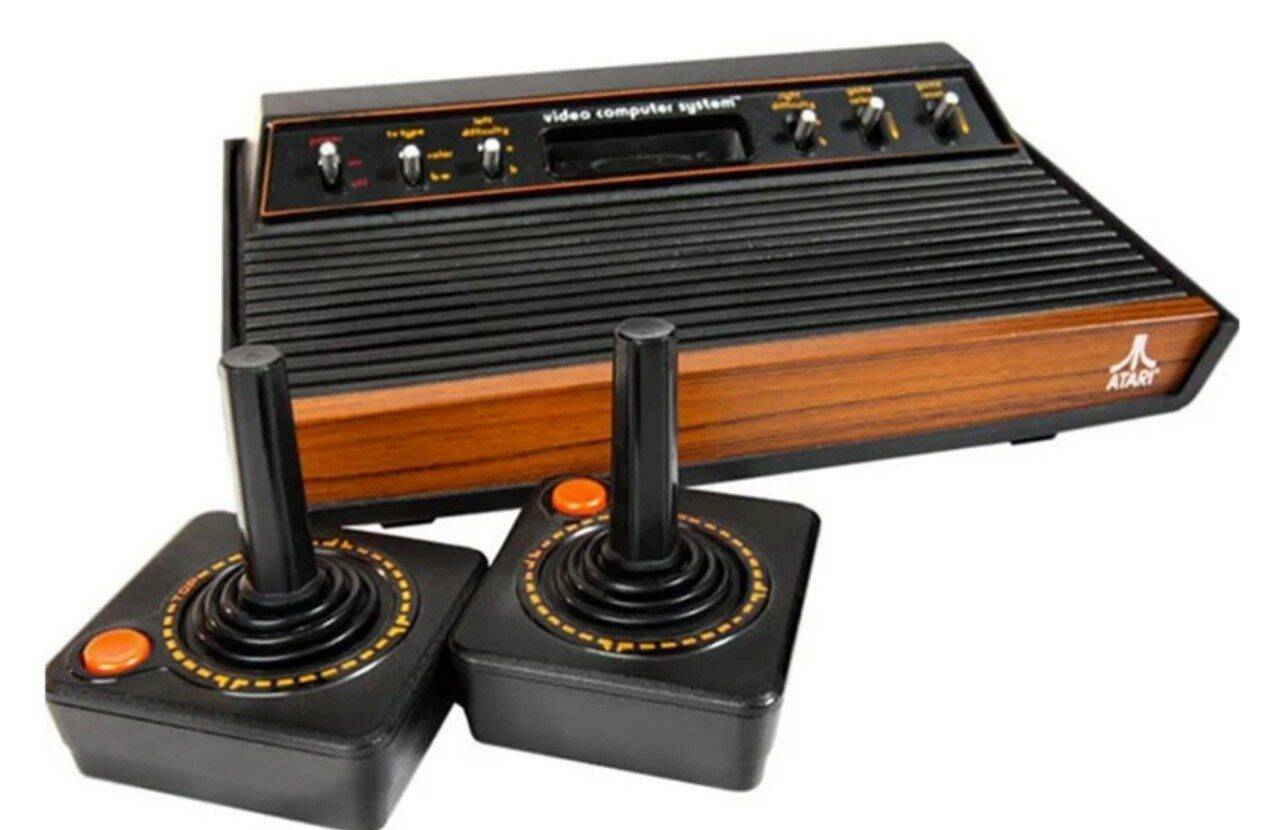
The absolute success of the seventies also weighed on family budgets
Responsible for popularizing the exchange of cartridges and defining the modern concept of video games, the Atari 2600 arrived at North American retailers in 1977. The US$189.95 charged at the time may seem harmless, but monetary correction reveals a real cost of US$1,050.45 (approximately R$5,362.23). For a society that was only used to rudimentary variations of the classic “Pong” embedded in the memory of TVs, investing this amount in a device dedicated exclusively to electronic games was a considerable financial gamble.
What kept the system alive for so many years was the genius of the developers, who squeezed every drop of processing from extremely basic hardware. Design masterpieces like “Pitfall!”, the shooter classic “River Raid” and the adaptation of “Star Wars: The Empire Strikes Back” proved that creativity overcame technical limitations. Still, it is fascinating to note that the passport to this cultural revolution would cost more than a thousand dollars today, proving that cutting-edge technology has always been expensive for its debut.
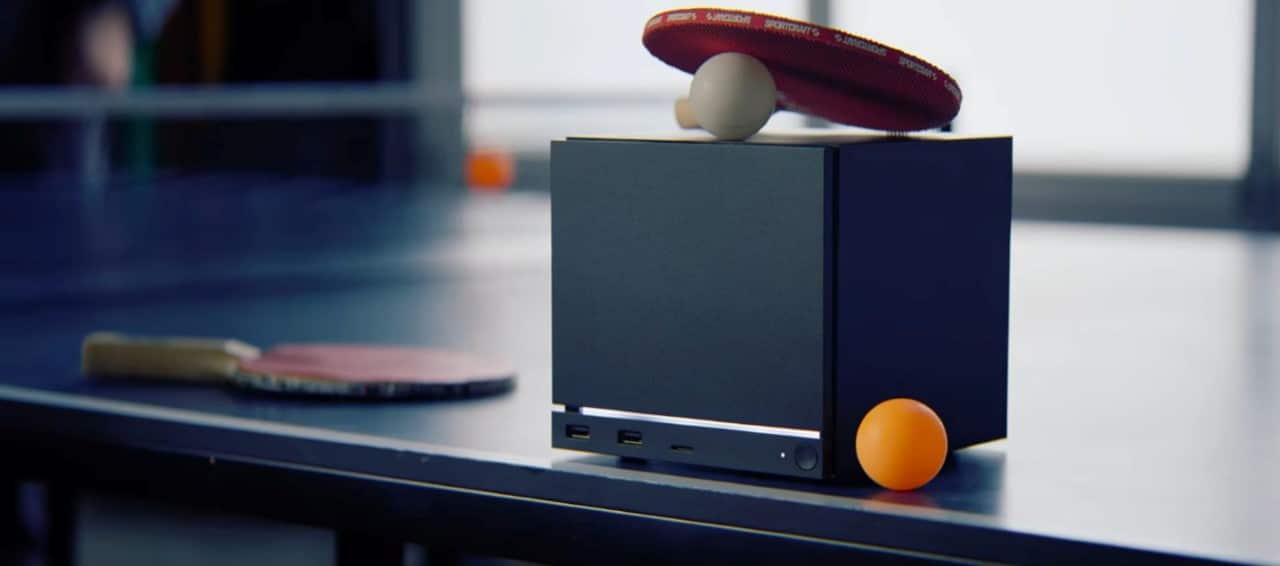
Valve’s initiative collided with the semiconductor crisis and inflated prices
The attempt to place computers in the living room gained a new chapter in 2026 with the Steam Machine, sold for US$1,049 (around R$5,354.83). Unlike a traditional closed system, the machine designed by the owner of the Steam virtual store works like a reduced-sized PC. The original plan involved subsidizing hardware to compete with traditional manufacturers, but soaring prices for video cards and processors forced the company to pass on costs, destroying the promise of affordable equipment.
Operating as a portable computer, the device can run a large part of the platform’s digital library. The brain of the operation is SteamOS, a modification of the Linux system that uses the Proton compatibility layer to run titles originally programmed for Windows 11. The project’s big Achilles’ heel continues to be incompatibility with anti-cheat security software, blocking access to popular competitive games. The hardware debuted on the international market in June 2026, leaving Brazilian consumers without an official sales forecast.

Sony’s hardware overhaul broke the industry’s tradition of cheapening
Arriving in stores in September 2024, almost four years after the start of the ninth generation, the PlayStation 5 Pro reached the US$899.99 mark throughout 2026 (around R$4,594.17). The Japanese manufacturer’s proposal was to deliver a machine capable of supporting native 4K resolutions without sacrificing frame rate, in addition to boosting lighting effects via Ray Tracing. This gain in raw performance allowed super productions such as “Marvel’s Spider-Man 2” and the epic “God of War: Ragnarok” to run with visual fidelity never before seen on desktop consoles.
The curious detail is that the device debuted costing US$699 (approximately R$3,573.23), subject to subsequent adjustments. The current hardware cycle has broken a historical market rule: instead of becoming cheaper through reduced production, video games have become more expensive due to the voracity of artificial intelligence companies for the same chips used in consoles. This unprecedented macroeconomic scenario consolidated the price of Sony’s premium model in the nine hundred dollar range, frustrating those who expected mid-generation promotions.