
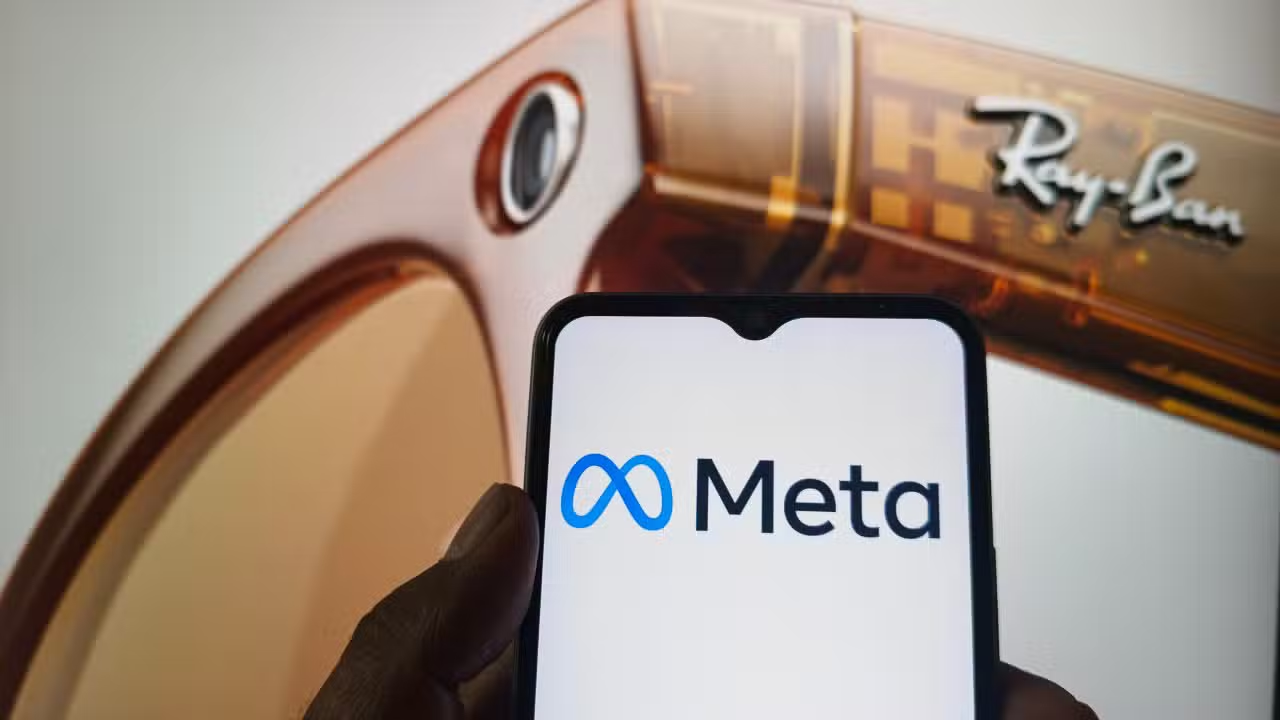
Meta removed photo and video capabilities from thousands of its smart glasses after finding that users had modified the light signal that indicates the camera’s operation. This measure came after the detection of tampering that disabled the notification light, used to alert people around about the recording.
The company implemented a recent software update that identifies when the LED light has been altered or damaged. This was in response to complaints that some individuals were using the devices to record people without permission or to pressure others into creating content for digital platforms.
Alex Himel, vice president of wearables at Meta, reported that the company estimates that tampering affected less than one-tenth of one percent of total glasses sold. Although exact details have not been released, considering the 7 million units sold in 2025 and this year’s volume, the number of infringing users is likely in the thousands. These users will now have their devices restricted to the Bluetooth headset function only.
In parallel, Meta began a marketing campaign, broadcast on social networks and billboards, aiming to educate the public on how to identify whether someone is recording images with smart glasses.
Himel described the situation as a “real game of cat and mouse”, considering that this dynamic is ongoing. He explained that new strategies are always emerging to bypass security protections, and the company intends to continue monitoring and evolving existing measures.
Debate on privacy and technology applications
Amid broad public resistance to surveillance technology, particularly devices with cameras, several corporate environments have vetoed the use of these glasses. One example is the controversy involving Flock Safety, which produces license plate readers, following complaints that police officers had misused its monitoring technology.
Himel contextualized this discussion as a natural response to a new technological modality, noting that “analogous situations have occurred in the past with the introduction of new types of cameras.”
On the other hand, Meta is also promoting glasses as a significant aid tool for blind people and people with low vision. Visually impaired users can, for example, instruct the glasses to read a menu. The company is donating 130,000 units to legally blind American veterans, highlighting the potential for accessibility.
Himel expressed the company’s strong interest in having the glasses categorized as assistive devices by U.S. government health agencies. This classification would open the door to coverage of costs by programs such as Medicare and Medicaid. Although facial recognition is a feature frequently requested by the accessibility community, he said it is not in immediate implementation plans.
Keri Gray, disability rights advocate and former Meta Reality Labs advisory board member, has seen a rise in glasses use among blind individuals. However, she also acknowledged the privacy challenges that technologies like facial recognition can generate.
Gray emphasized the need for regulation and the importance of having spaces and occasions that people can regard as areas of inviolable privacy.
Challenges and duality in the evolution of camera technology
Meta’s glasses and Flock Safety’s technology represent distinct approaches to cameras: while Flock Safety records continuously, focusing on narrow data such as license plates, Meta’s glasses do not record all the time, but when activated, capture full video and audio of the environment. Both innovations, however, share the characteristic of offering clear advantages alongside vulnerabilities for inappropriate use.
For both companies, the group of users who practice abuse constitutes a small portion of the total, and both are implementing actions to curb inappropriate behavior. However, uncertainty remains about whether the public, along with regulators and legislators, will accept this level of risk.