
Return of Zelda Ocarina of Time to Switch 2 bets on ultra-realistic graphics

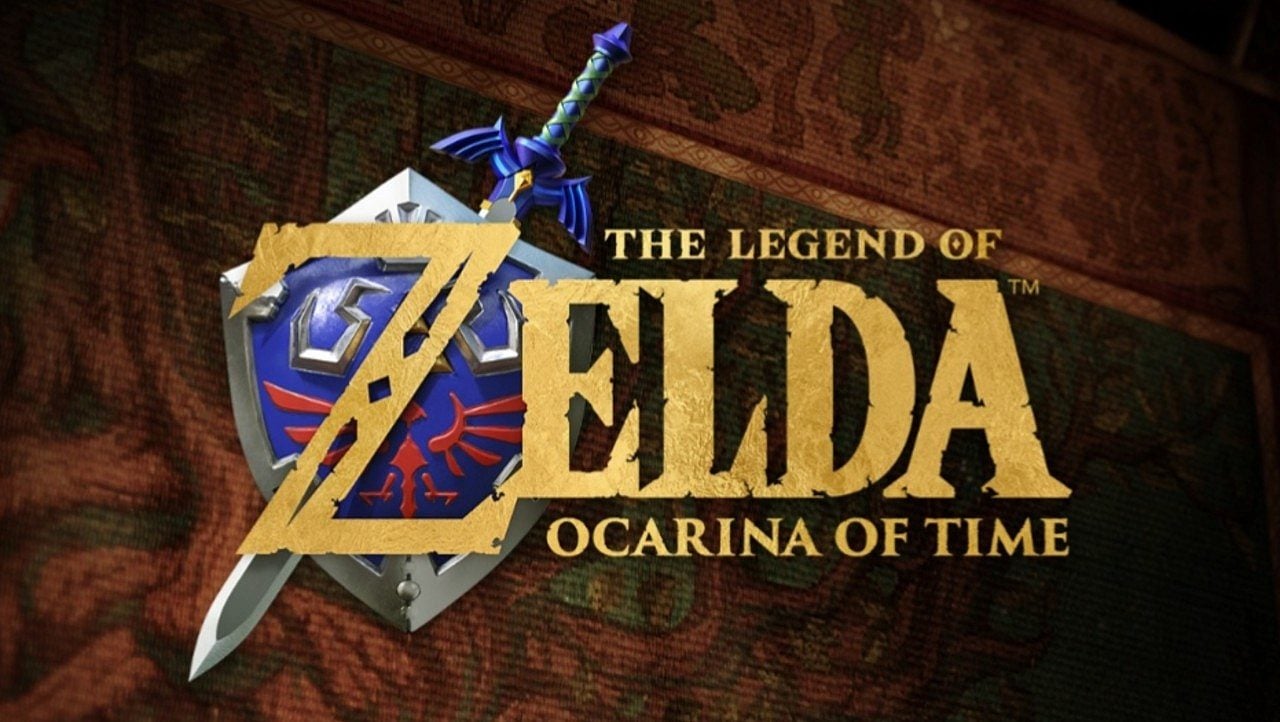
The Japanese video game giant has officially revealed that the classic The Legend of Zelda: Ocarina of Time will receive a completely remade version for the highly anticipated Switch 2 console. Scheduled to hit the market in 2026, the project was the highlight of June’s Nintendo Direct presentation, surprising the public with a conceptual video focused on the art direction. The developer’s proposal is far from a mere visual polish of the work originally released in 1998 for the Nintendo 64 system. The central objective is to restructure the Hero of Time’s journey using contemporary rendering and narrative technologies.
Change of tone and orchestrated soundtrack mark the new presentation
During the screening of the promotional material, which lasted just over sixty seconds, the company chose to focus entirely on the cinematic atmosphere, leaving aside any demonstration of control mechanics. The video’s audio featured musical arrangements recorded with real instruments, replacing the iconic synthesized sound files of the nineties. This profound sound change indicates a search for a much grander and more dramatic scale to the adventure. The sound art direction suggests that player immersion will be treated as an absolute priority in this generational transition.
Industry experts point out that the decision to hide the initial gameplay serves to build expectations based on the emotional impact of the franchise. Ocarina of Time still has the highest rating in history on the Metacritic aggregator, with 99 points, which makes any structural change a high-risk move for the brand. By focusing on music and cinematography, the producer immediately establishes that the financial and creative scope of the title matches the standards of today’s biggest releases.
Unreleased details in the protagonist’s clothing indicate expansion of the mythology
The aspect that generated the most debate among enthusiasts was the unprecedented characterization of the children’s version of the character Link. The traditional plain green clothing gave way to a complex costume, made with materials that directly refer to the vegetation of the Lost Forest. In addition to the rustic fabric, the hero now carries reinforced leather protective pieces on his shoulders and chest. Such aesthetic additions break with the geometric simplicity of the past and inject a considerable dose of realism into the fantasy universe.
This change in wardrobe has direct implications for the story told within the game. In the original narrative, the protagonist grows up among the people of the Kokiri Forest, but has different biological origins, belonging to the Hylian race. The presence of elaborate armor from the first moments of the campaign could mean that the script will explore the boy’s arrival in that isolated environment in more depth. Script elements that were previously implied in text dialogue now seem integrated into the visual design of the world itself.
Fundamental differences in relation to previous adaptations of the franchise
The total reconstruction effort shows that the studio wants to erase the line that separates a graphic update from a completely new work. The strategy differs drastically from the work carried out in 2011, when the same game received an adaptation for the Nintendo 3DS portable. At that time, the basic polygonal structure and animations were preserved almost entirely, with improvements focused only on the frame rate, textures and the inventory interface.
Now, taking advantage of the superior processing power of the Switch 2 hardware, the development team has the freedom to redesign dungeons, expand the Hyrule map, and modernize the combat system. The experience accumulated by the company with recent open-world successes in the same series serves as the technical basis for this endeavor. The intention is to deliver a product that feels modern for newcomers, but maintains emotional impact for veterans.
Main community expectations after project reveal
Public reception on social media demonstrated a clear division of feelings shortly after the official broadcast ended. While a considerable portion of consumers praised the courage to change the artistic style, more conservative groups expressed concern about the possible loss of the cartoonish visual identity. The absence of a specific release date and the mystery of how the targeting system will work keep discussions active on specialized forums.
Based on the brief scenes shown and the developer’s recent history, the market projects some structural changes that should integrate the final package:
- Complete overhaul of the free camera system, abandoning the angle limitations of the original 64-bit hardware.
- Full voice acting for the main and secondary characters, a feature that has become standard in the franchise recently.
- Expansion of exploration areas between cities, making the Hyrule countryside a denser and more interactive environment.
- Updated the puzzles in classic temples to utilize the new physics capabilities of the graphics engine.
The weight of recreating one of the pillars of the digital entertainment industry
The commercial and critical outcome of this initiative will dictate the direction of how historic intellectual properties will be treated in the next decade. Modifying the structure of The Legend of Zelda: Ocarina of Time requires a delicate balance between respecting the emotional memory of millions of players and the need for mechanical modernization. If the execution reaches the level of quality promised by the ad video, the title has the potential to redefine the standards of excellence in the recreation category.
The game’s arrival in 2026 will coincide with the period of consolidation of the Switch 2’s installed base in the global market. Using a brand of such weight as a technological showcase demonstrates management’s confidence in the capabilities of the new equipment. The challenge now is to transform the initial awe of the trailer into an interactive experience that justifies returning to the kingdom of Hyrule almost thirty years after the first journey.





