
Atacama surprises with unusual snow: El Niño intensifies desert storm
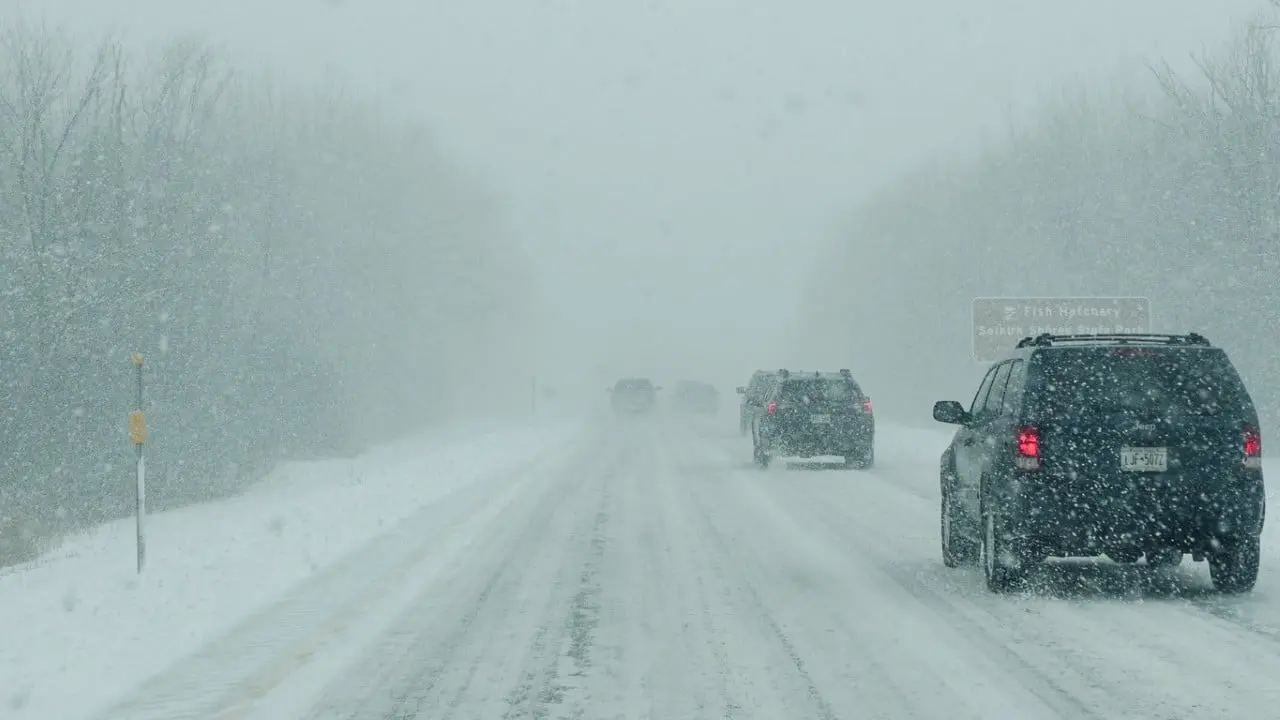
The Atacama Desert, known worldwide for being the driest region on the planet, recently witnessed an extraordinary weather phenomenon. A snowstorm, considered quite rare for the location, covered large areas of its dry soil, transforming the landscape into a completely unexpected winter scene. This event challenges the typical geographic and climatic conditions of the area, which is characterized by almost zero precipitation throughout the year.
The occurrence of snow in a place as dry as Atacama aroused great interest among scientists and the local population, generating images that quickly circulated due to their uniqueness. The phenomenon is not just a visual curiosity, but an indication of the complex climatic interactions that can alter established meteorological patterns, even in the most extreme regions of the Earth. The snow brought both wonder and concern about the impacts on such a sensitive ecosystem.
Why is snow so rare in the Atacama Desert?
On the same topic: Chile warns of El Niño: imminent arrival promises heavy rains and extreme droughts in the country
The rarity of snow in Atacama is due to its unique geography and prevailing atmospheric currents. Located between the Andes Mountains and the Pacific Ocean, the desert is influenced by the Humboldt Current, which brings cold waters and contributes to the formation of coastal fog but little rain. Subtropical high pressure from the Pacific also plays a crucial role, blocking storm systems and keeping skies clear most of the time.
The high altitudes of the Andes Mountains, which border the desert to the east, create a rain shadow that prevents moisture from the interior of the continent from reaching the Atacama. This combination of factors means that the average annual precipitation in many parts of the desert is less than 1 millimeter, making it one of the driest places on Earth. Snow therefore requires a very specific and unusual atmospheric configuration.
The influence of El Niño on the climate phenomenon
The recent snowstorm in Atacama is intrinsically linked to the strengthening of the El Niño climate phenomenon. Generally, El Niño is associated with warming of the waters of the equatorial Pacific Ocean, which can alter global atmospheric circulation patterns. In this specific case, the intensifying El Niño played a crucial role in weakening the Pacific subtropical high.
The weakening of this high pressure opened a path for storm systems, which normally move at lower latitudes, to rise further north, reaching regions such as the Atacama Desert. This diversion allowed the humidity and low temperatures necessary for snow formation to reach areas that rarely experience such conditions, explaining the unusual occurrence.
Storm impacts in the arid region
Read also: Atypical rains in Atacama leave people dead and force a state of emergency in Chile
The arrival of the snow had an immediate and notable impact on several communities in Atacama. Although visually stunning, the unusual precipitation caused disruptions to roads and access, making transportation and communication difficult in some isolated areas. Local communities, unaccustomed to dealing with icy and snowy conditions, faced logistical and safety challenges.
One piece of data that illustrates the intensity of the phenomenon is the volume of precipitation recorded. The city of Taltal, located in the Antofagasta region, for example, received around 40 millimeters of precipitation in just three days. This volume is almost ten times higher than its annual average, which is around 4 to 5 millimeters. Such an amount of water, even in the form of snow, is an extraordinary event for such a dry area and underlines the strength of the storm.
Challenges for local fauna and flora
More on this story: Telescope in Chile fires lasers to measure atmospheric turbulence
The Atacama Desert ecosystem is made up of fauna and flora highly adapted to extreme arid conditions. Many species have developed unique mechanisms to survive with little water and wide variations in temperature. The sudden arrival of snow and low temperatures can pose a significant challenge to these organisms.
Succulents and cacti, for example, may not be able to tolerate the intense cold and prolonged wetness of snow, putting them at risk of damage or death. Animals such as rodents and lizards, which live in burrows to protect themselves from daytime heat and nighttime cold, may have their habitat altered and their food sources temporarily affected by snow cover. In the long term, if events like this become more frequent, current adaptations could be insufficient.
History of extreme weather phenomena in Chile
Chile, due to its extensive geography and its position between the Pacific Ocean and the Andes Mountains, is prone to a variety of extreme weather phenomena. While the north faces the aridity of the Atacama, the center has a Mediterranean climate and the south, Patagonian conditions. This climate diversity leads to events such as prolonged droughts, floods, heat waves and, occasionally, snowfall in unexpected places.
Understand the case: Comet discovered in January could shine with the naked eye in the sky in April 2026
Historically, the country has experienced harsh winters and summers with record temperatures, often influenced by global climate cycles such as El Niño and La Niña. Although snow in Atacama is rare, Chile has a history of adapting to extreme events, although the frequency and intensity of some of them may be changing in a scenario of global climate change, requiring greater resilience from communities.
Forecasts for regional and global climate
The occurrence of this snowstorm in Atacama, driven by a strengthening El Niño, raises important questions about the future of weather patterns in the region and on a global scale. Climate scientists are closely monitoring the evolution of El Niño and its potential impacts in different parts of the world, including South America.
Projections indicate that extreme weather events could become more frequent and intense in many regions as the global climate continues to change. For the Atacama Desert, this could mean the occurrence of more atypical events, such as sporadic rain or snow, or, conversely, even more severe periods of aridity. The study of these phenomena is fundamental to understanding and preparing for future climate challenges.
More news in Latest News (EN)
See more →More news on Mix Vale
- 1Julia Louis-Dreyfus reveals intense creative clashes shaped iconic sitcom ‘Seinfeld’s’ groundbreaking humor
- 2U.S. forces dismantle sophisticated floating drug refueling station tied to Ecuadorian narco-terror group
- 3Giants make unexpected roster move, release longest-tenured player Darius Slayton as Harbaugh era begins
- 4Eiffel Tower closure sparks outrage as staff protest gender segregation during VIP religious group visit
- 5AfD electoral win in Saxony-Anhalt faces governance hurdles, minor party crucial
- 6Austin Reaves enjoys Labor Day weekend after pivotal Lakers contract, poised for leadership
- 7Quieter Russian nuclear submarines heighten NATO’s Arctic defense concerns, alliance boosts northern presence
- 8NTSB confirms Amazon cargo jet crew survived Miami crash, five dead and five injured in runway overrun incident
- 9U.S. diplomatic efforts confront persistent China-Peru economic ties amid rising regional tensions
- 10German racer Michael Schumacher remains secluded 12 years later