
Classic PlayStation 2 games demand complete modern revivals
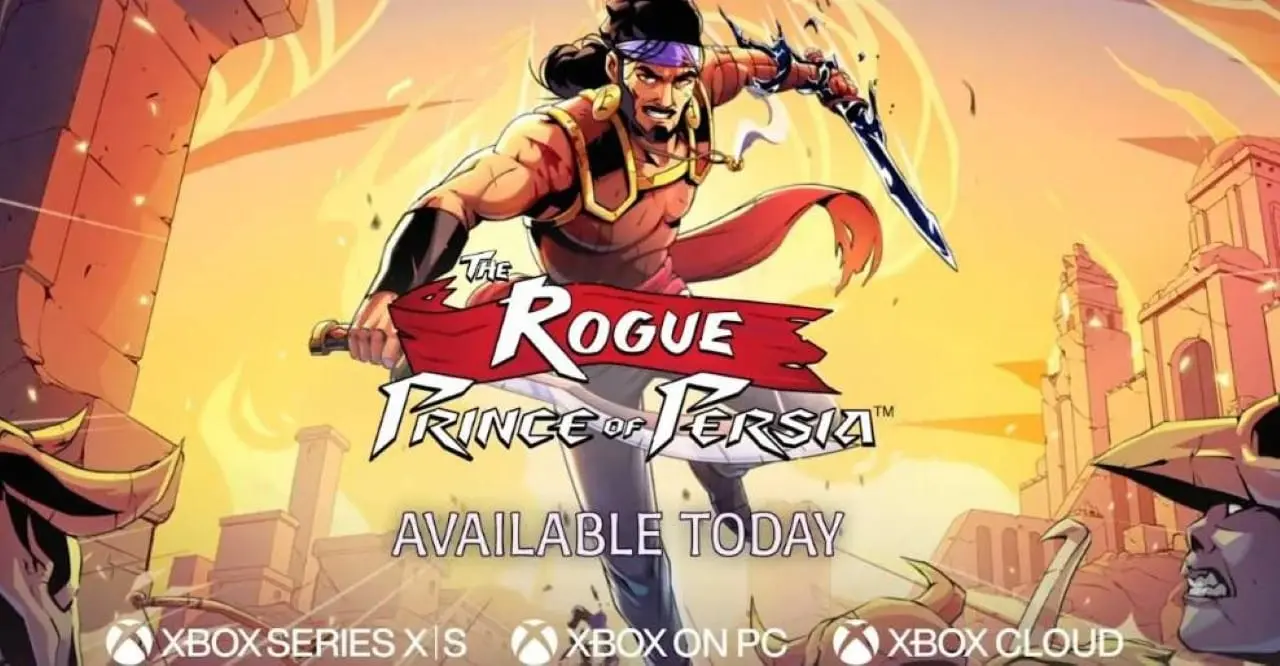
Sony shaped the home entertainment market after shipping the PlayStation 2 console worldwide, amassing an audience of millions of active players across multiple continents. The platform established an extensive software library that defined interactive entertainment throughout the early 2000s. Contemporary game publishers now return to that historic software vault to rebuild prominent projects from the ground up.
Developers reconstructed Shadow of the Colossus, Silent Hill 2 and Metal Gear Solid 3 to match modern hardware standards. These complete technical overhauls updated visual assets and control schemes for modern platforms.
Players still wait.
Ten specific PlayStation 2 titles possess the mechanical depth and design foundation required to justify financial investments in full-scale reconstructions on current systems. Publishers currently review classic properties as consumer demand expands across digital storefronts.
Understand the case: Ten classic PlayStation 2 titles that deserve full remakes
Square Enix holds potential for Vincent Valentine in Dirge of Cerberus
Square Enix released Dirge of Cerberus: Final Fantasy VII in 2006 to explore the backstory and combat missions of protagonist Vincent Valentine. The original release operated strictly as a third-person shooter within the wider fictional timeline of Midgar. Current production cycles at the publisher offer an immediate opening to reintroduce this adventure.
A refreshed production would expand the mercenary journey of Valentine alongside Cloud and the Avalanche resistance movement by introducing intricate environmental navigation mechanics. Deeper movement systems would resolve the restrictive action corridors that defined the original 2006 console release.
Sucker Punch Productions could revive the original Sly Cooper adventure
Sony features Astro Bot as its primary active mascot platformer, leaving the 2002 release Sly Cooper and the Thievius Racoonus as an ideal vehicle to restore beloved character-driven platforming to the current hardware family. Sucker Punch Productions designed the initial thief adventure during the PlayStation 2 lifecycle before shifting technical resources toward open-world environments such as Ghost of Tsushima. That production history gives the studio direct expertise to execute a high-profile visual reconstruction.
Aerial combat mechanics defined Drakan on early Sony systems
Publisher Sony Computer Entertainment released Drakan: The Ancient Gates in 2002, pairing a female warrior with a rideable dragon while mapping spellcasting controls directly to the DualShock 2 analog sticks. That innovative combat scheme combined aerial dogfights and underground exploration into a single cohesive fantasy campaign. The technical design anticipated trends that dominated action role-playing games over the following two decades.
On the same topic: Capcom classics and Mycopunk arrive on PlayStation Plus tiers
PlatinumGames cancelled its proprietary dragon project Scalebound, which proves that large-scale mythical aerial combat remains an underserved gameplay format in the gaming industry. Because the original development house closed operations years ago, legal rights and code preservation create logistical hurdles for any immediate hardware revival.
Monolith Soft created extensive space lore in Xenosaga Episode I
Monolith Soft shipped Xenosaga Episode I: Der Wille zur Macht in 2002 as a direct philosophical successor to Xenogears before Nintendo acquired the studio to build the Xenoblade Chronicles series. The title introduced deep cinematic storylines alongside giant mecha battles across vast galaxy sectors. The entire narrative arc remains trapped on legacy disc formats without modern system conversions.
Publishers that evaluate the preservation of classic turn-based science fiction properties can examine the specific design elements that powered this epic space release:
- Complex narrative sequences featuring deep philosophical themes that bridged the transition from 1990s Japanese role-playing games to cinematic console experiences.
- Turn-based combat structures incorporating giant mechanical suits called AGWS alongside human party members in strategic encounters.
- Extensive cinematic cutscenes that pushed the storage boundaries of early dual-layer DVD discs on the PlayStation 2.
A ground-up remake of the first installment would establish the commercial justification to rebuild the entire three-part space chronicle for modern players. Contemporary hardware would render the dense mechanical designs and space fleets without the rendering constraints that limited the original 2002 production.
Naughty Dog left Jak 3 in the legacy console generation
Sony published Jak 3 in 2004, leaving the expansive desert wasteland adventure isolated on legacy platform architectures despite its advanced technical foundations. Naughty Dog directed engineering resources toward sequential updates of The Last of Us throughout recent hardware cycles. Longtime platforming enthusiasts continue to request a return to the open desert vehicle combat of the studio’s early catalog.
Read also: Dino Crisis 2 leads fresh wave of PlayStation Plus games
The vehicle physics and open wasteland traversal of the 2004 release match modern structural trends.
Open-world driving mechanics took shape in Test Drive Unlimited
Test Drive Unlimited established large-scale open-world driving in 2006 by rendering hundreds of kilometers of open roadway populated by dozens of licensed vehicles, setting the blueprint that the Forza Horizon series later expanded into a commercial powerhouse. The 2024 debut of Solar Crown failed to match the design impact of the original release. Enthusiasts point to the PlayStation 2 classic as the benchmark for open-road driving simulation.
Fumito Ueda delivered atmospheric isolation in ICO
Fumito Ueda directed ICO for Sony in 2001, constructing an emotional story centered on a horned youth guiding a companion through a sprawling stone fortress. Outdated rendering techniques and early sixth-generation hardware limitations obscure the title’s foundational environmental art. Rebuilding the castle architecture with current lighting pipelines would complete the revival of Ueda’s catalog alongside modern versions of Shadow of the Colossus and The Last Guardian.
Ubisoft stalled the planned return of Prince of Persia
Ubisoft launched Prince of Persia: The Sands of Time in 2003, creating fluid wall-running mechanics that redefined three-dimensional movement and launched an action trilogy. The French publisher initiated a ground-up reconstruction of the project before shelving production benchmarks and delaying release windows. Over twenty years have passed since the original title altered the trajectory of action gaming without a modernized version reaching retail shelves.
More on this story: Disabling online features in inFamous 2 by Sony makes platinum trophy unfeasible
Rockstar Games set boarding school conflicts in Bully
Rockstar Games released Bully in 2006 to explore student social hierarchies and administrative conflict across the campus grounds of Bullworth Academy. The development team concentrates its resources on completing Grand Theft Auto 6. Adapting the boarding school narrative today would require the studio to navigate contemporary ratings board standards and updated digital content regulations.
Criterion Games focused on direct ballistic destruction in Black
Criterion Games delivered Black in 2006 through Electronic Arts, emphasizing heavy ballistic feedback and concrete structural demolition without relying on modern seasonal passes or digital cosmetic microtransactions. The publisher focuses its internal development budgets on the Battlefield franchise instead. The proprietary environmental destruction systems that separated this intense first-person shooter from its contemporaries remain unavailable to modern audiences.
Santa Monica Studio plans projects to revisit the earliest entries of the God of War franchise on current platforms.
Twenty foundational releases from the best-selling home console in gaming history require dedicated commercial reconstruction projects to reach active digital distribution networks. Digital preservation for these landmark interactive properties depends entirely on licensing decisions finalized by corporate rights holders.
More news in Latest News (EN)
See more → Chinese leaks reveal Xiaomi 18 Fold panel reaches 4,000 nitsXiaomi 18 Fold display reaches 4,000 nits peak brightness
 Apple redesigns iOS 27 with upgraded Siri and camera search
 Final Fantasy VII trilogy bundle hits Japan for 500 dollars
 Capcom classics and Mycopunk arrive on PlayStation Plus tiersDino Crisis 2 leads fresh wave of PlayStation Plus gamesTrilogy pack for Final Fantasy VII arrives in Japan for $500
 Ten classic PlayStation 2 titles that deserve full remakes
 Classic RPG Astonishia Story arrives on Switch platforms in 2027Astonishia Story remake will launch on two Nintendo platforms
 Larissa Morata dies from gunshot wound in Embu das ArtesWoman found shot dead with officer gun in Embu das Artes
More news on Mix Vale
- 1Beijing injects $53.6 billion into key financial institutions to bolster economic stability
- 2Bureau warns record El Niño will intensify drought, driving up Australian food prices
- 3UK poised to implement trade restrictions on Israeli West Bank settlements amid rising international concern
- 4Apple prepares iOS 27 with contextual Siri and visual search
- 5Standalone edition opens the frontier of Red Dead Online
- 6Frontier journey opens via standalone Red Dead Online release
- 7Xbox gamers stack loyalty points to purchase GTA 6 for free
- 8Console demand surges in Britain after Netflix debuts GTA 6 look
- 9Xbox fans accumulate loyalty credits to secure GTA 6 launch
- 10Modders port Grand Theft Auto V natively to Nintendo Switch