
Taiwan secures key contracts as Apple shifts to foldable designs


Apple is preparing its entry into the flexible display smartphone market by developing its first foldable iPhone in the United States during 2026. Market analysis firm Isaiah Research in Taiwan mapped the corporate movements that are currently organizing component orders to supply the American consumer electronics brand.
The hardware project represents an immediate countermove against international phone makers operating in Asia.
Samsung Electronics maintains substantial market share across the flexible device category from its operational headquarters in South Korea. Competing phone companies based in mainland China expanded their global commercial footprint by launching thinner chassis designs with folding screen mechanisms. Apple engineers now work inside corporate laboratories to surpass the physical solutions currently displayed on retail shelves.
Hardware developers at Apple direct their primary focus toward eliminating the visible furrow that normally runs through the folding glass seam. Technicians intend to erase tactile surface irregularities so users feel an uninterrupted plane across the entire digital panel.
A smooth folding surface without visible structural flaws remains Apple’s mandatory threshold before sanctioning factory mass production.
Japanese component makers lose ground across Asian assembly lines
Industrial assessments by Isaiah Research show that Apple reconfigured its upcoming device supply chain away from legacy factories located throughout Japan. Traditional component houses across Japanese prefectures face operational obstacles when attempting to secure contracts for these complex folding mechanisms. Engineering teams shifted their procurement targets to alternative regional partners capable of tighter manufacturing tolerances.
The declining participation of Japanese enterprises highlights a wider geographic realignment of high-technology hardware orders across East Asia. Technology firms located in Taiwan secured central roles in delivering integrated circuits and essential raw materials for Apple’s upcoming hardware portfolio.
Taiwan Semiconductor Manufacturing Company anchors this operational framework by fabricating the primary silicon chipsets that run the internal operating systems. The foundry giant manages advanced lithography cleanrooms across Taiwan, capturing processing unit contracts for premium mobile devices planned by Apple. This manufacturing concentration by TSMC limits commercial openings for smaller component vendors across the Pacific rim.
Final device assembly demands precise alignment between custom-designed mechanical subassemblies built by Apple.
Rival handsets from South Korea and China accelerate market rivalry
Samsung Electronics created foundational technical parameters when it unveiled its earliest commercial folding handsets in South Korea. Mobile brands based across mainland China followed this engineering roadmap by investing substantial capital into resilient composite materials to capture premium corporate buyers.
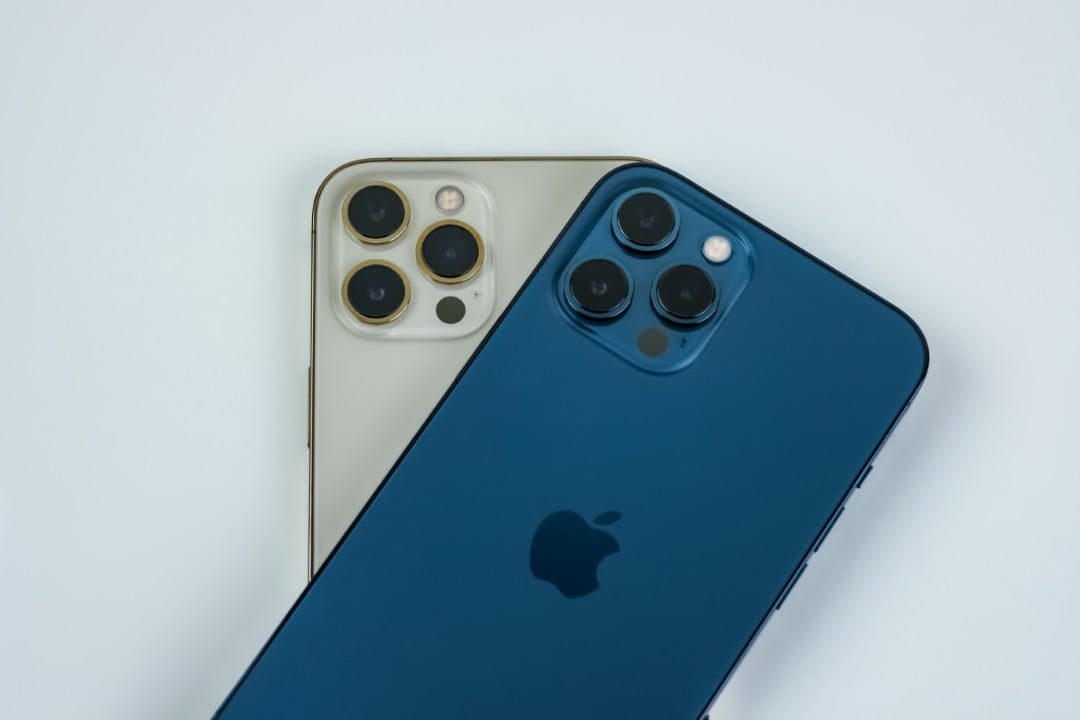
Apple seeks a distinct mechanical standard before entering direct competition against established Asian device manufacturers. Corporate leaders in California plan to release the device only after internal hinge components withstand intense mechanical strain tests simulating years of uninterrupted user interactions. That strategic mandate forces manufacturing contractors to execute extended reliability trials on every mechanical subassembly.
Industry analysts at Isaiah Research confirmed that this upcoming device requires significant logistical shifts across Asian assembly hubs.
Manufacturing contracts divide mechanical production among regional partners
Procurement agreements arranged by Apple distribute technical tasks among specialized industrial firms across multiple territorial jurisdictions. Corporate engineering roadmaps establish strict manufacturing priorities for the upcoming folding hardware:
- Central hinge mechanisms engineered to eliminate visible surface depressions across the flexible substrate.
- Next-generation application processors manufactured by TSMC inside fabrication centers located in Taiwan.
- Reduced procurement volume for secondary structural parts historically produced by manufacturing facilities in Japan.
- Flexible display integration delivering structural panel rigidity comparable to standard handheld iPhone models.
This supply chain rebalancing strengthens industrial infrastructure across Taiwan while reducing purchase orders allocated to neighboring economies. Procurement decisions dictated by Apple alter bilateral trade balances among Asian nations competing for consumer technology manufacturing deals. Industrial facilities in competing markets must diversify operations to compensate for reduced order allocations from Cupertino.
The technical contest continues.
Component manufacturers across Taiwan expand their physical facilities to accommodate the precise tooling needed for these intricate folding structures. Research reports from Isaiah Research indicate that Taiwan’s semiconductor sector absorbs growing capital investments during each testing cycle of the articulated prototypes.
Japanese electronic part manufacturers lost relevance in critical display and hinge segments after manufacturing routes linking Taiwan, South Korea, and mainland China consolidated mobile phone production lines that now bypass older fabrication hubs throughout the Japanese archipelago. Diminishing orders from Apple accelerate ongoing structural downsizing across component factories operating in Japan. Specialized cleanrooms in Taiwanese technology hubs now expand production schedules to absorb work previously handled by legacy Japanese plants.
Mechanical engineering teams at Apple directly supervise tensile stress evaluations inside research facilities in California.
International technology analysts maintain continuous surveillance over component schedules and assembly milestones throughout the electronics industry. Design evaluations continue through preliminary screening stages inside development facilities operated by Isaiah Research in Taiwan.





