
Tech firms plan domestic humanoid robot deliveries by 2027

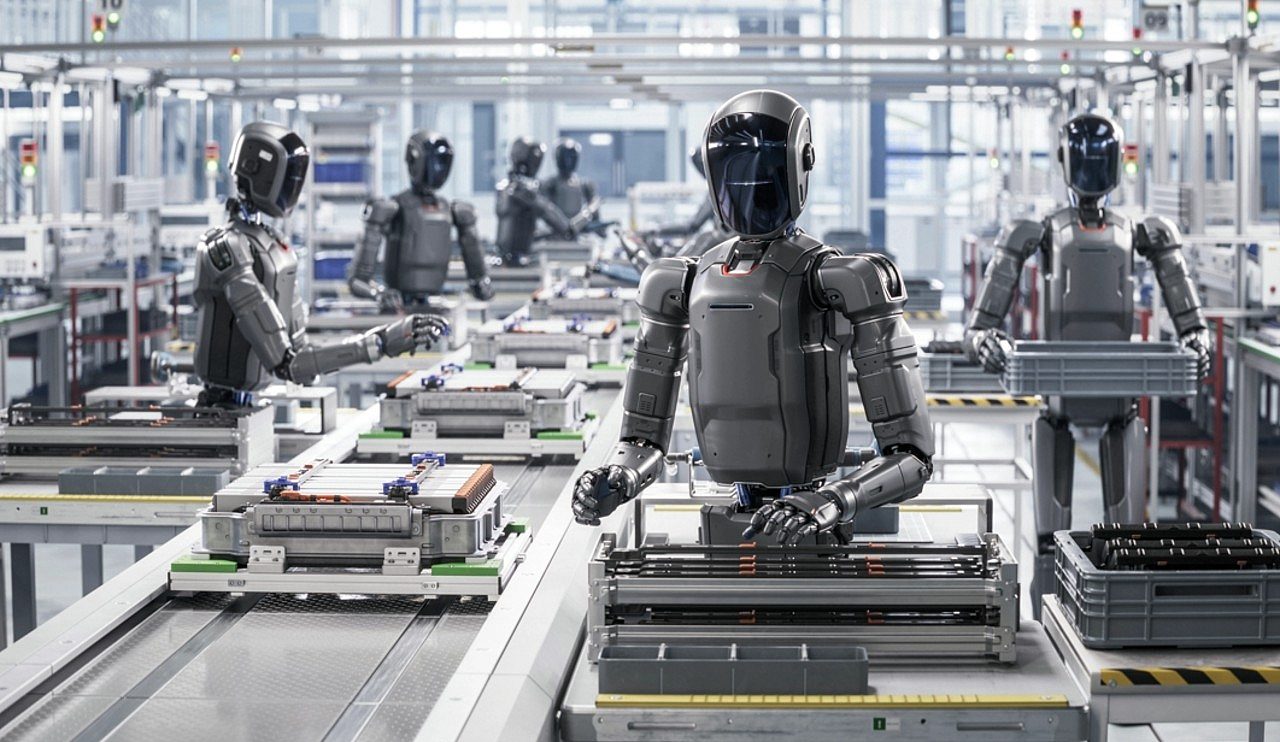
Technology firms scheduled the market arrival of bipedal humanoid robots inside residential homes beginning in 2027, establishing an expansion curve running through 2029 across international consumer markets. Industrial workplaces and enterprise facilities will process initial machinery shipments before individual buyers gain retail access.
Rollout schedules target business clients before family residences
Billions of dollars in venture funding flow into the global humanoid robotics sector as developers finance technical engineering for routine manual tasks.
Industry roadmaps pinpoint the operational window between 2028 and 2029 for commercial large-scale distribution. Early consumer units will require direct human monitoring or precise command entries through structured operational checklists. The sector advances quickly.
Household obstacles complicate autonomous navigation indoors
Unlike predictable factory floors where automation operates without disruption, typical residential spaces present unpredictable physical hazards including loose toys scattered by children, mobile household pets, curled floor carpets, and fragile glassware resting outside normal storage zones.
Managing everyday home objects forces mechanical hands to latch cupboards shut without slamming panels and stack dishes in wash basins without cracking tempered glass. Robotic vacuum cleaners previously demonstrated that domestic devices must execute simple chores reliably before engineering teams program complex household duties.
Purchase prices compete with recurring rental options
Retail financial projections outline two distinct payment structures for residential buyers evaluating home machinery.
- Direct unit purchase price projected at US$ 20,000 per machine
- Recurring monthly subscription fees set at approximately US$ 500
Families will assess whether an upfront expense of US$ 20,000 generates sufficient savings on heavy domestic labor to justify the investment. A rental alternative at US$ 500 each month provides an accessible entry point that reduces initial capital requirements.
Legal liability for domestic accidents remains unresolved
The integration of residential automatons creates unresolved regulatory questions regarding financial accountability for physical accidents involving children or material damage inside properties across Brazil.
Brazilian legal jurisdictions and robotic hardware manufacturers lack dedicated statutory frameworks governing liability reimbursement when machines malfunction during ordinary household labor. Corporate and legal entities maintain active deliberations over financial culpability ahead of large-scale commercial assembly lines.





