
Advanced 2nm A20 Pro chipset powers iPhone 18 Pro lineup

Apple debuted the A20 Pro processor at 10:37 am PT on September 9, 2026, during its Surprise and Shine presentation to upgrade computational power, visuals, and machine learning across the iPhone 18 Pro family. This proprietary silicon powers both the iPhone 18 Pro and the iPhone 18 Pro Max devices.
Manufacturing shifts to 2nm fabrication
Apple increased overall transistor density.
Fabricators built the component using a 2nm manufacturing process that fits tightly packed transistors into a smaller physical footprint. Apple confirmed that this physical compaction elevates operational capabilities throughout the silicon framework. Data pathways gained a 50% increase in memory bandwidth to sustain higher throughput across the processor units through the widest memory interface ever deployed in an Apple handset.
Core upgrades and performance measurements
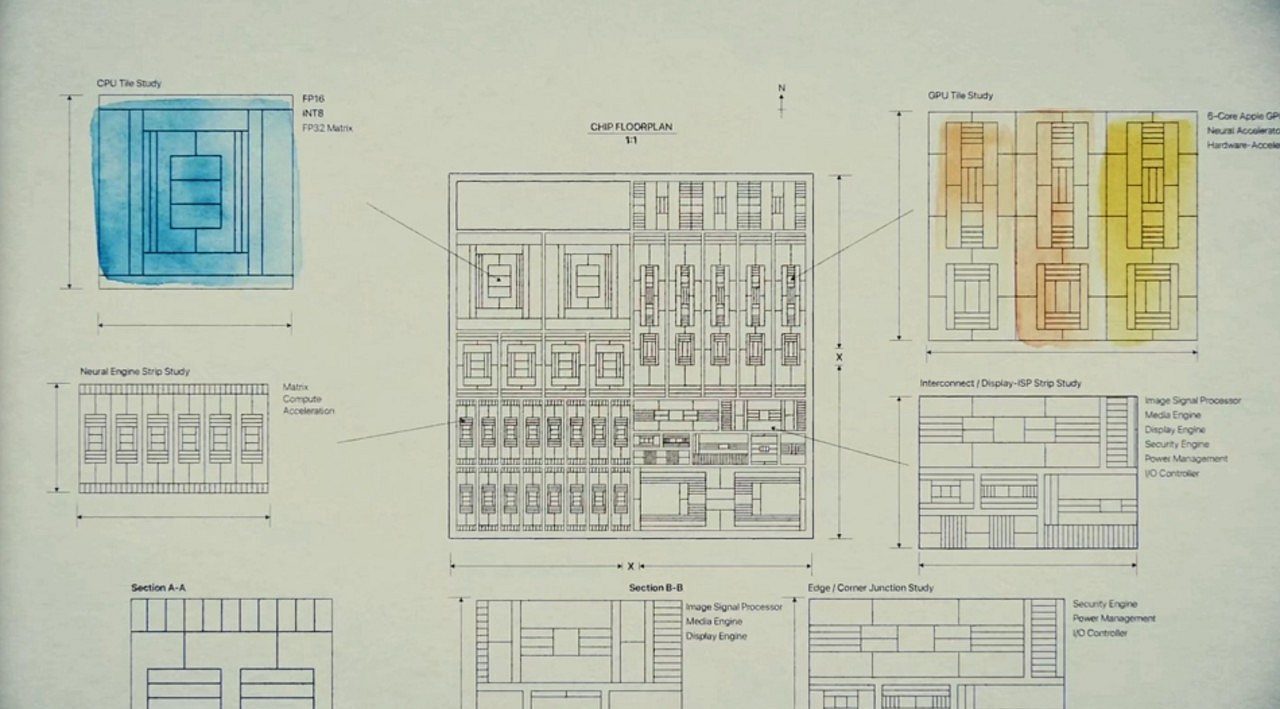
Central computing integrates six cores by coupling four efficiency units with two supercores that lift raw processing speeds by 20%. Dedicated neural accelerators link directly into all compute cores to process artificial intelligence tasks with reduced latency.
- A seven-core graphics module delivers up to a 40% jump in execution speed over prior generations.
- Upgraded accelerators double calculation rates for 8-bit floating-point data, allowing hardware to process external large language models locally.
- A secondary processing unit expands the Neural Engine to 32 cores, doubling overall computing capacity.
To prevent thermal throttling under demanding workloads, engineers routed silicon contacts directly into a dedicated vapor chamber while positioning memory chips adjacent to the main die to isolate memory modules from heat pathways seen in M-series hardware layouts.





