
Apple plans clear casing and 5,200 mAh cell for iPhone 18 Pro

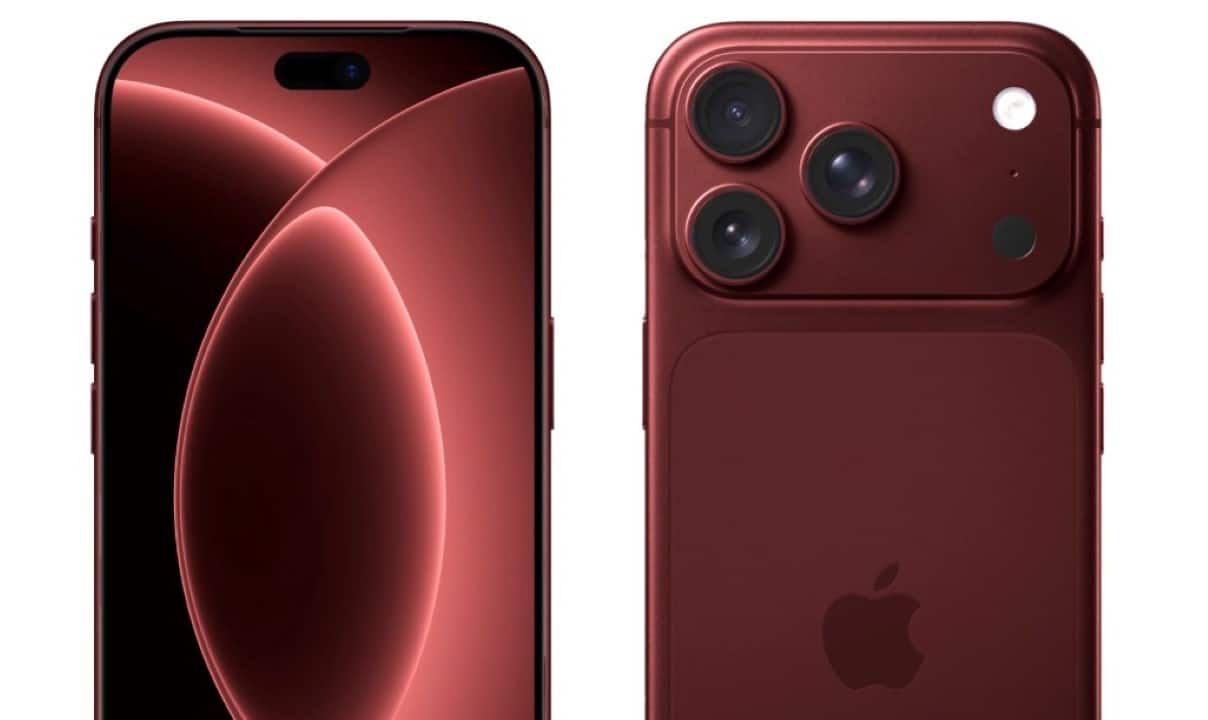
Apple scheduled the release of the iPhone 18 Pro in retail stores for September, equipping the high-end smartphone with a translucent rear glass panel and an internal 5,200 mAh battery. The design exposes the interior engineering directly to buyers through a construction technique that takes inspiration from recent aesthetics introduced by niche tech brands. This battery size marks a substantial upgrade over older iterations from Cupertino, which operated with capacity levels close to 4,000 mAh. Aerospace-grade titanium reinforces the exterior perimeter alongside structural glass to defend against heavy daily drops.
Chemical baths and custom adhesives seal the clear rear panel
Asian manufacturing lines treat the custom rear glass with specialized chemical solutions to prevent yellow discoloration from ultraviolet radiation and ambient oxygen exposure. Engineers created a proprietary sealing adhesive that joins this see-through panel to the metal chassis, forming an impermeable barrier against moisture and microscopic dust. The assembled shell meets the highest water resistance certifications available in modern electronics.
Exposing internal components forced hardware designers to turn the main logic board and wiring into visual showpieces. Technicians rerouted electrical cables and repositioned silicon chips across the internal tray to achieve total symmetry. This architectural reorganization removes the cluttered look previously hidden behind opaque shields. The visible arrangement targets premium customers who value distinctive status in their mobile hardware. Retail channels expect the combination of exposed circuitry and precious exterior metals to drive consumer interest.
A 2-nanometer processor drives local artificial intelligence tasks
A microscopic 2-nanometer manufacturing process packs billions of additional transistors onto the central silicon die to boost execution speeds while slashing power consumption across daily tasks. Dedicated hardware sectors handle machine learning calculations directly on the smartphone, allowing users to process sensitive prompts without uploading any information to remote cloud servers. This local setup accelerates system response times and protects private user data.
Apple increased system memory to 12 GB so that onboard artificial intelligence models run continuously without crashing open applications. Users can generate full-length articles and translate live audio while handling heavy multitasking across several background utilities. The software coordinates with this expanded memory allocation to sustain gaming frame rates and high-resolution video capture without draining the cell prematurely. Memory upgrades prevent unwanted application reloads.
Redesigned thermal layers dissipate heat away from the glass
Integrating a dense power cell behind clear glass required engineers to construct an entirely new internal heat dissipation matrix using conductive elements never before deployed on Apple assembly lines, because the high thermal output of the 2-nanometer processor threatened to crack the rear panel, degrade delicate solder joints, or overheat nearby electronic connections during peak operational cycles.
- Dense graphene sheets draw thermal energy directly off the silicon surfaces.
- An expansive vapor chamber disperses high temperatures across the titanium boundary.
- Millimetric spacing between logic boards promotes passive air movement past microchips.
- Protective thermal compounds encase the battery module to block excessive heat accumulation during wall charging.
This thermal design prevents sudden drops in processor output during prolonged processing workloads. The external metallic rails remain cool in the hand while users export visual files or play demanding networked games. Removing excessive heat also protects the battery chemistry, ensuring the cell preserves maximum electrical capacity over years of daily cycles.
Variable optical apertures pair with expanded satellite messaging
The rear camera cluster features an adjustable mechanical aperture with physical blades that dilate and constrict according to environmental luminescence. This mechanical movement replicates standalone professional optics, creating natural background separation for portrait photography. Night photography captures dark environments with minimal grain through direct light management. Neural image processing executes within milliseconds to correct chromatic distortions before photos enter the camera roll.
Revised internal antennas connect to satellite infrastructure to transmit voice recordings and compressed photographs from dense wilderness or open waters. Apple removed the physical SIM card tray to free up internal volume inside the chassis, relying exclusively on digital eSIM technology. Assembly factories across Asia adjusted industrial hardware to prepare simultaneous retail inventory for dozens of countries.





