Apple readies 5,200 mAh iPhone 18 Pro with see-through back

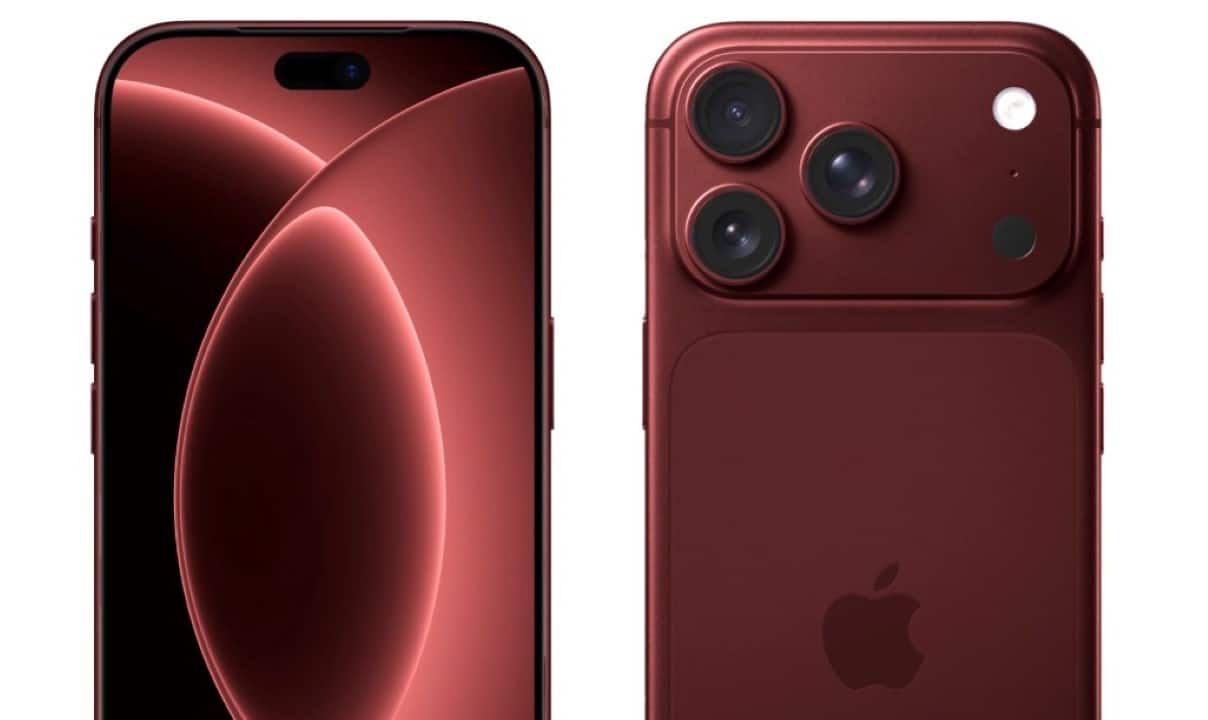
Apple plans to release the iPhone 18 Pro in retail stores this September with a transparent rear glass panel and a 5,200 mAh internal battery pack. This power capacity represents a substantial expansion over previous iterations that operated near 4,000 mAh. Aerospace-grade titanium reinforces the exterior perimeter alongside high-durability treated glass. The battery reaches 5,200 mAh.
Chemical glass baths and sealing adhesives prevent internal moisture leaks
Technicians at Asian manufacturing facilities apply specialized chemical baths to each glass sheet to prevent ultraviolet discoloration and oxidation that routinely degrade traditional clear surfaces. Engineers formulated an unreleased bonding sealant to join this glass rear directly to the metal chassis, stopping liquid ingress and particulate contamination. These structural safeguards secure the highest consumer electronic water-resistance ratings currently issued in the industry.
Exposing internal components compelled Apple hardware designers to reroute internal wiring and reposition microchips into a strictly symmetrical layout that transforms the logic board into an aesthetic centerpiece beneath the rear glass.
Processing speed relies on 2-nanometer fabrication and on-device machine learning
Microchip foundries print the device’s silicon architecture on a 2-nanometer node to pack additional transistors into microscopic dimensions for higher processing speeds and lowered electrical draw. Dedicated silicon regions run machine learning models entirely on the device without transmitting personal data to cloud servers. This offline approach accelerates query execution while preserving local user privacy.
Operational system memory climbs to 12 GB to ensure local artificial intelligence processes function continuously without producing software crashes. This expanded memory bandwidth supports simultaneous real-time spoken translation and long-form document drafting without exhausting the battery during extended gaming sessions or high-resolution video recording.
Internal cooling system incorporates graphene sheets and widened vapor chambers
Enclosing an enlarged battery behind an all-glass exterior created severe thermal dissipation hurdles for hardware teams in Cupertino who needed to keep heat from fracturing the casing. Rising thermal output from the primary processor forced developers to redesign the internal cooling layout from scratch using conductive materials never before applied to Apple hardware. Engineers rearranged airflow pathways around surrounding micro-connectors to shield internal solder points from high operational temperatures. By integrating specialized heat conduits directly against the internal framework, the structural design dissipates concentrated thermal spikes away from sensitive microchips and distributes operating heat evenly across the titanium exterior, safeguarding both user comfort and long-term lithium cell preservation during intense processing workloads.
- High-density graphene sheets pull concentrated heat away from the main processor instantly.
- An expanded vapor chamber spreads thermal output across the titanium chassis to prevent isolated hot zones.
- Circuit boards incorporate millimeter-level gaps engineered to facilitate natural airflow between adjacent silicon dies.
- Proprietary metallic compounds enclose the battery cell to halt overheating whenever users attach external charging cables.
Active thermal control permits the hardware to sustain maximum computing frequencies without experiencing sudden performance throttling under heavy processing loads. Deflecting excess heat away from internal chambers also shields the battery against chemical deterioration, protecting its original charging capacity over multiple years of ownership.
Variable physical apertures combine with expanded satellite communication channels
The rear camera assembly introduces a variable mechanical diaphragm that moves physical blades to alter aperture sizing based on ambient environmental illumination. This mechanical iris replicates dedicated professional cameras by rendering natural optical background blur while capturing sharp low-light exposures without electronic noise. Neural processing cores apply automatic color profiling and optical distortion correction within milliseconds before the file appears in the photo gallery.
Internal antennas connect directly to satellite networks to allow two-way voice messaging and photo transmission from isolated oceanic territories and deep forests lacking cellular infrastructure. Asian production lines already adjusted their equipment to assemble chassis without physical SIM card trays, relying entirely on virtual eSIM profiles to conserve internal hardware space ahead of the global commercial rollout.