
Expedition 75 crew conducts health tests on space station

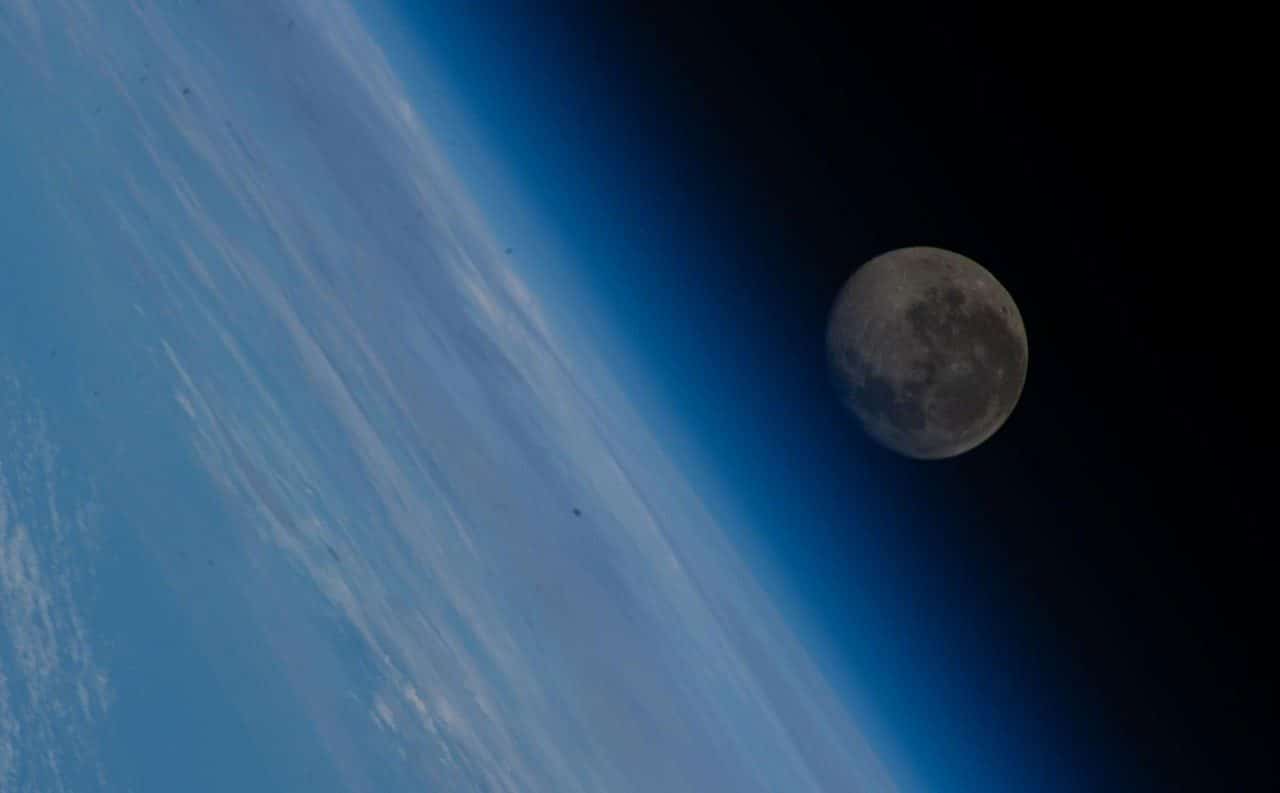
The Expedition 75 crew conducted biomedical evaluations, life support maintenance, and orbital photography aboard the International Space Station on September 8, 2026. Seven crew members coordinated research protocols inside multiple laboratory modules following the departure of an uncrewed cargo vessel.
Biomedical evaluations inside the Columbus laboratory
Commander Jessica Meir assisted flight engineer Sophie Adenot inside the Columbus laboratory module while testing blood pressure, cognitive performance, and circulation patterns as part of the PhysioTool study designed to monitor crew health throughout extended microgravity exposure on the International Space Station. Adenot operated computer programs to assess cognitive agility and behavioral shifts in orbit. NASA flight engineer Jack Hathaway then scanned Adenot’s tendons and muscular structure to evaluate tissue elasticity under the Myotones program.
Adenot completed two cognitive tests.
Filter replacements across Harmony and Destiny modules
Meir logged physiological rest cycles using a dedicated smartwatch linked to the RelaxPro research initiative aimed at improving sleep metrics. She concluded her working session by testing her peripheral vision through an optical diagnostic apparatus to detect early changes in ocular performance.
Hathaway serviced environmental control hardware across the Destiny and Harmony modules throughout the shift. The astronaut exchanged filter assemblies designed to scrub suspended atmospheric particulates, trace gases, and odors from the cabin air. These mechanical interventions maintain certified breathing parameters for long-duration spaceflight crews.
Astronaut Anil Menon managed station logistics inside the Quest airlock.
Lunar photography and equipment maintenance in Tranquility
Menon secured spacewalk equipment and spacesuit power batteries before moving to the Kibo laboratory to calibrate a free-flying automated camera unit. He subsequently conducted structural inspections on the advanced resistive exercise device housed within the Tranquility node.
Menon ended his duty cycle inside the seven-window cupola observatory. The astronaut captured photographic exposures of the lunar surface illuminated by solar and terrestrial light reflections. Detailed surface imagery assists lunar science teams analyzing orbital lighting conditions. The visual recordings document changes in ambient reflection angles.
Sensory testing and blood analysis in the Russian segment
Roscosmos flight engineer Andrey Fedyaev examined sensory orientation by interacting with digital visual cues through virtual reality headsets to evaluate balance adaptations in microgravity. Fedyaev later processed his own blood samples through a laboratory centrifuge to calculate red blood cell concentrations.
Flight engineer Anna Kikina checked auditory diagnostic equipment featuring digital imaging cameras and focused illumination to inspect crew eardrums, while flight engineer Pyotr Dubrov calibrated hyperspectral cameras to photograph shorelines in Australia and South America.
Cargo spacecraft disposal and docked fleet status
Station operations rely on a rotating fleet of docked orbital vehicles. Four visiting spacecraft currently remain attached to the outpost:
- SpaceX Dragon crew spacecraft
- Northrop Grumman Cygnus XL resupply spacecraft
- Progress 95 cargo spacecraft
- Soyuz MS-29 crew spacecraft
The expendable Progress 94 cargo freighter undocked from the Poisk module at 11:18 a.m. EDT on September 7, 2026, before disintegrating over the South Pacific Ocean less than four hours later.





