
IPhone 18 Pro line adopts 2nm A20 Pro chip built by Apple

Apple unveiled the 2nm A20 Pro processor during its Surprise and Shine presentation on September 9, 2026, at 10:37 am PT to power the iPhone 18 Pro family. The architecture shifted.
New core layout drives computing and artificial intelligence performance
The proprietary silicon will operate exclusively inside both the iPhone 18 Pro and the iPhone 18 Pro Max handsets.
Engineers built the component on a 2nm fabrication process where densely packed transistors occupy reduced physical area across the board, generating higher operational density that directly feeds performance improvements into central computing and machine learning systems throughout the entire hardware structure. Central computing integrates a six-core setup dividing workloads between four efficiency cores and two supercores that deliver a 20% speed increase. Dedicated neural accelerators tie directly into each computing core to execute low-latency machine learning processes without computational delays.
- A seven-core graphics arrangement delivers up to a 40% boost in graphic execution over earlier chips.
- Upgraded neural accelerators double calculations for 8-bit floating-point data, enabling local execution of external large language models.
- A secondary processing module increases the Neural Engine to 32 cores, which doubles total compute throughput.
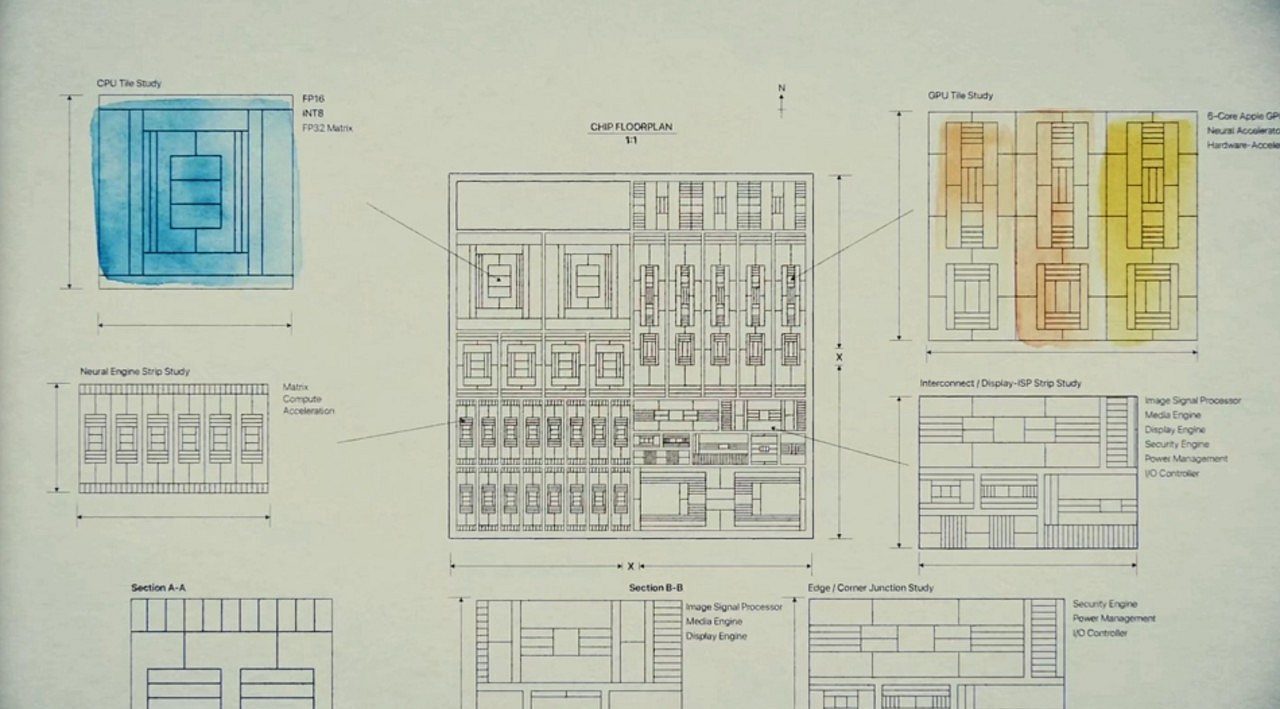
Apple incorporated its widest memory interface ever deployed inside a smartphone line to support the heavier operational workload. Those expanded pathways generate a 50% jump in memory bandwidth to sustain continuous data flow across the processor units.
Packaging changes route operating heat away from memory modules
Borrowing structural packaging techniques from the desktop M-series silicon, designers placed the processor die immediately adjacent to memory chips.
This physical separation protects sensitive memory components from direct exposure to the main system heat pathway. Thermal engineers routed the silicon directly into an internal vapor chamber to lower operating temperatures during prolonged processing strain.





