
Jezero Crater rocks yield organic carbon in Mars mission

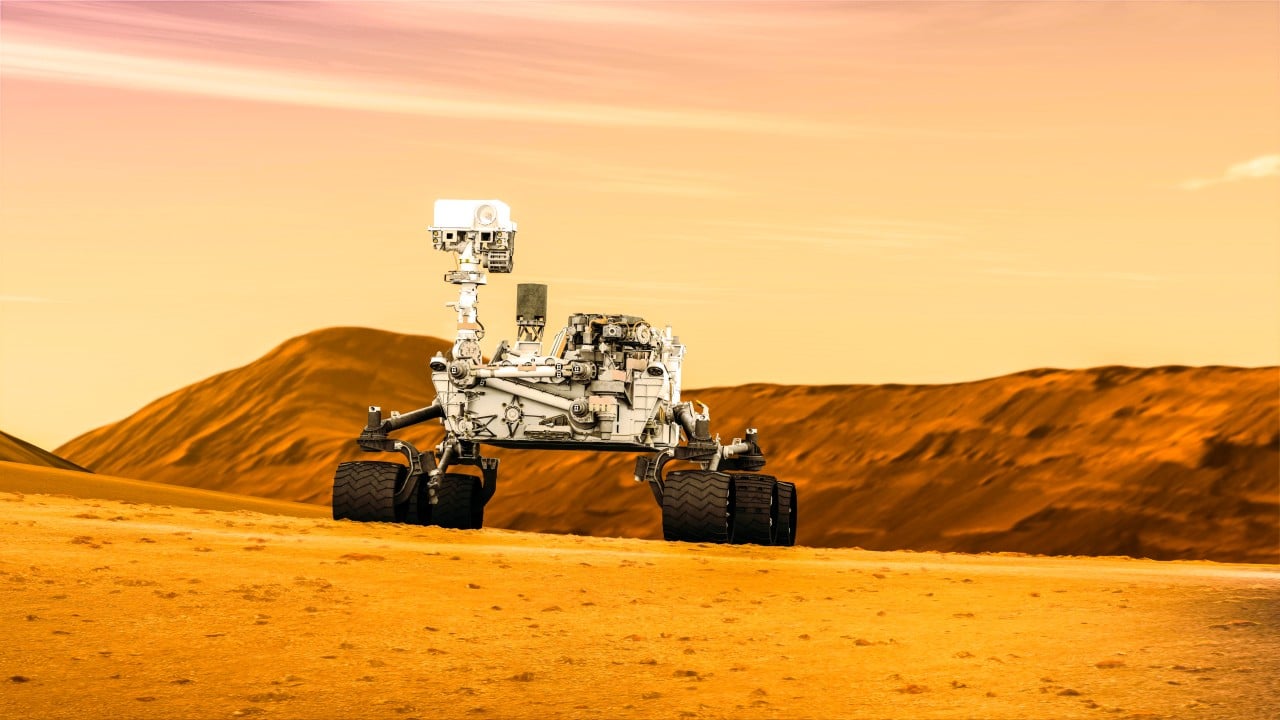
Perseverance discovered organic carbon compounds embedded in sedimentary rocks inside Jezero Crater on Mars during its geological survey. These mineral formations date back to an ancient epoch when liquid water flowed actively across the surface.
Scientists continue studying the Jezero samples.
Researchers detected these specific chemical markers inside fine riverbed sediments that rushing waterways transported into a vast catchment basin billions of years ago before the entire planetary environment dried up into an arid, frozen expanse without surface water. Ancient river currents delivered varied mineral structures into this lake floor over successive geological epochs.
The scientific journal Science Advances published the formal findings regarding the preservation of these primitive chemical structures.
Potential geological mechanisms behind the Martian chemical deposits
- Volcanic eruptions within the planetary crust
- Extended chemical reactions between minerals and liquid water
- Cosmic impacts from meteorites striking Martian terrain

The detection of organic compounds does not establish the historical presence of biological organisms on Mars. Abiotic geological processes routinely assemble identical carbon configurations without any participation from living systems.
Contrasting tectonic conditions distinguish Martian bedrock from Earth ground
Mars preserves an enduring geological crust absent from the dynamic surface of Earth. The planet lacks active tectonic plates and avoids continuous atmospheric weathering. Because of this prolonged crustal stability, ancient rocks retain original chemical compounds intact across billions of years.
Biological roles of carbon molecules across terrestrial rock layers
On Earth, complex macromolecules provide the core chemistry for biological activity and persist inside ancient stone formations as the sole surviving evidence of primordial microbes.
Co-author Ashley Murphy from the Planetary Science Institute noted that carbon builds the fundamental architecture of terrestrial organisms. Her team investigates whether Mars assembled comparable starting ingredients to determine whether the ancient environment maintained conditions capable of sustaining life.





