
Researchers record two ESA satellites burning over Pacific

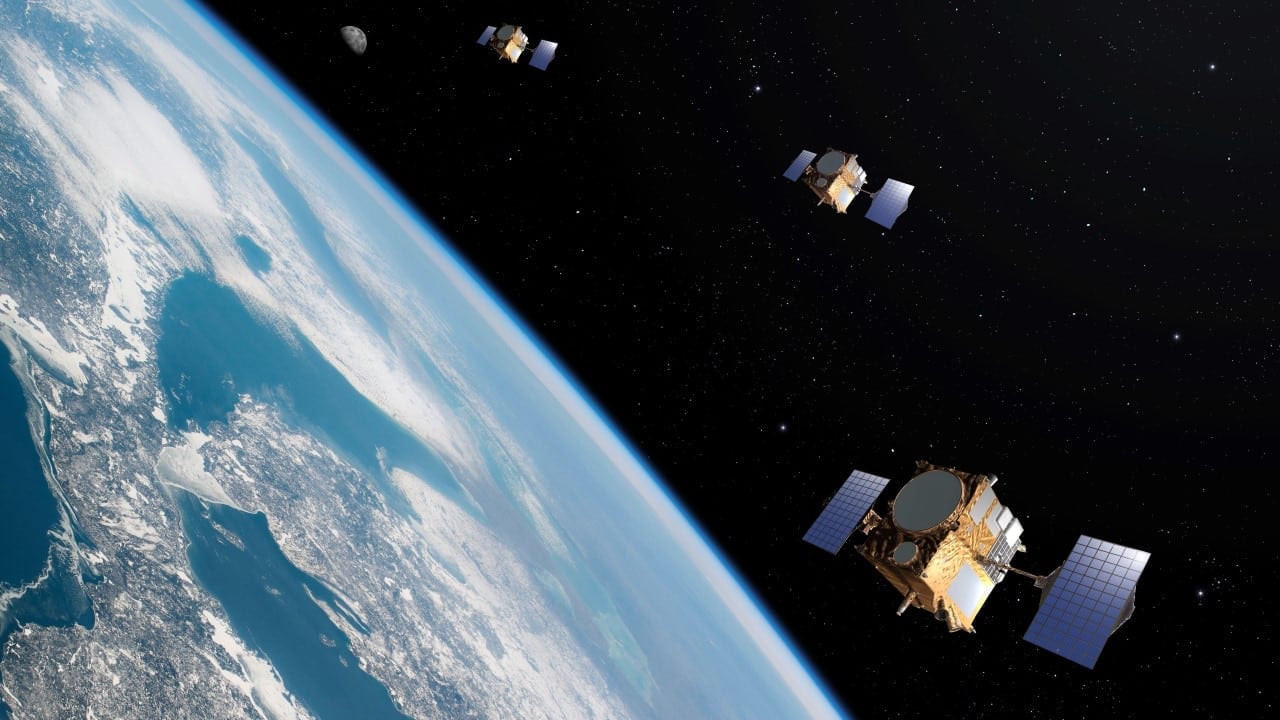
A research team tracked the atmospheric disintegration of two European Space Agency satellites, named Tango and Samba, over the southern Pacific Ocean near Tonga on August 31, 2026 and September 1, 2026. The twin spacecraft ended a 25-year mission investigating the interactions between solar wind and the magnetic field of Earth.
Both Cluster spacecraft disintegrated rapidly.
Airborne instruments recorded the high-speed Pacific descent
Flying aboard a commercial business jet positioned approximately 120 kilometers away from the predicted reentry path, researchers operated 30 cameras and spectrometers equipped with specialized filters to document both the physical disintegration and chemical signatures without cloud interference. The two satellites hit the upper atmosphere at speeds reaching 36,000 kilometers per hour before aerodynamic drag generated severe friction. Optical tracking started at an altitude of 90 kilometers and concluded when the falling debris faded between 65 and 70 kilometers.
“For about thirty to forty seconds after the explosion, you can observe an interesting structure as all those various fragments ablate in the atmosphere,” said Jiří Šilha, the chief executive officer of Astros Solutions.

Researchers measured metallic emissions to assess atmospheric reactions
The scientific team examined emissions from vaporized aluminum, titanium, and potassium to determine the chemical compounds formed during high-temperature burnup. The formation of aluminum oxide remains an unmeasured factor as operators such as SpaceX, Amazon, and Blue Origin prepare large fleet expansions.
Earlier operational data gathered during the reentry of the Salsa satellite in September 2024 allowed flight planners to position the aircraft accurately for this dual observation.





